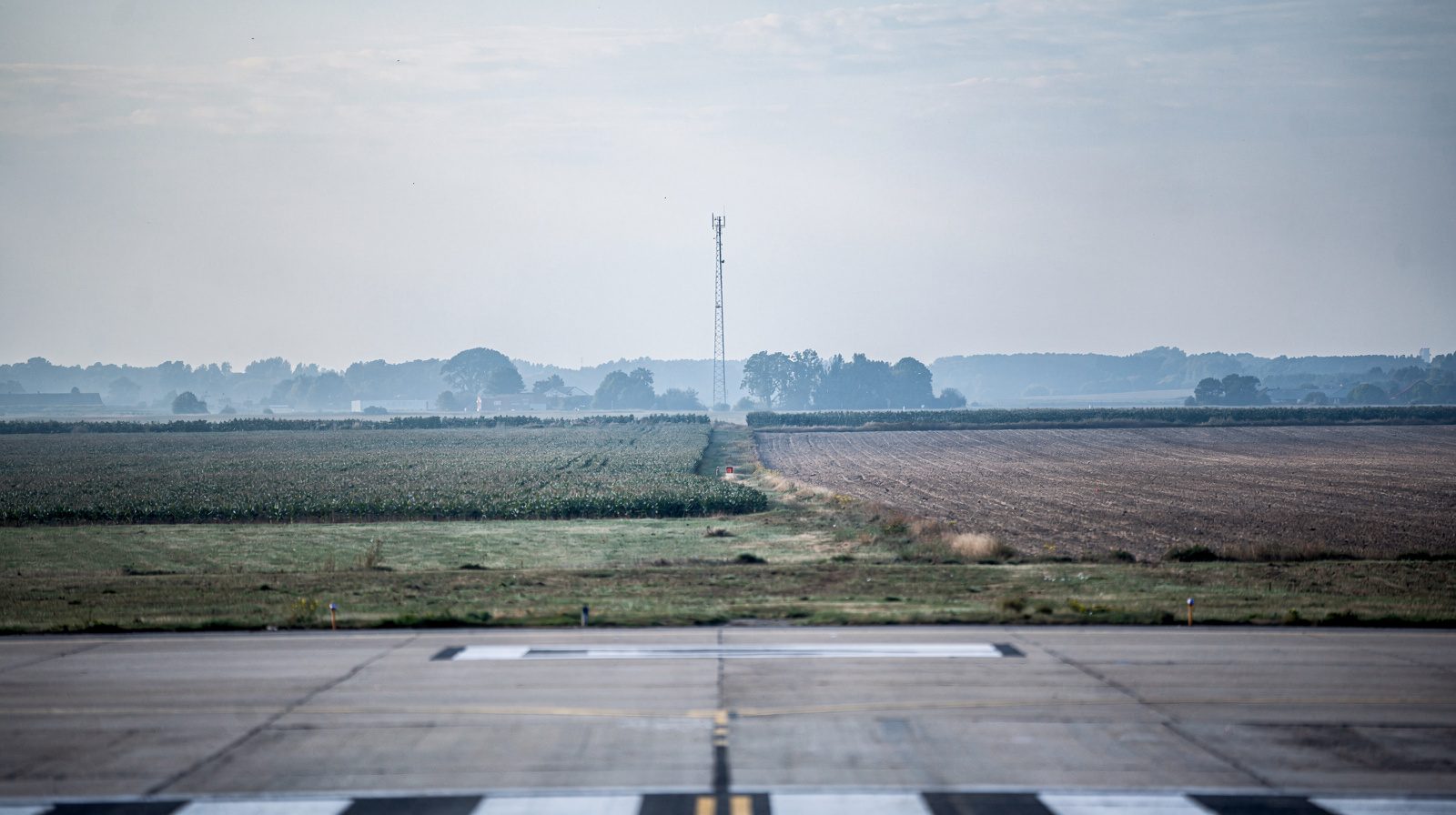
What is an Aerodrome?
An aerodrome is a defined area on land or water, including all associated buildings, installations, and equipment, intended for the arrival, departure, and surface movement of aircraft. The scope of the term covers everything from the world’s largest international airports to small private airstrips and seaplane bases. According to the International Civil Aviation Organization (ICAO ), the official definition (Annex 14, Volume I) is:
“A defined area on land or water (including any buildings, installations, and equipment) intended to be used either wholly or in part for the arrival, departure and surface movement of aircraft.”
Source: ICAO Annex 14
This definition is used by aviation authorities worldwide, including the FAA (USA), EASA (Europe), Transport Canada, and CASA (Australia). The aerodrome concept includes not only operational surfaces (runways, taxiways, aprons), but also terminals, hangars, control towers, firefighting stations, maintenance facilities, and more.
Etymology and Historical Context
The word aerodrome comes from Greek roots: ἀήρ (aḗr, “air”) and δρόμος (drómos, “course” or “road”), literally “air course.” Similar to “hippodrome” (horse racing track) or “velodrome” (cycling track), “aerodrome” became the standard term in early aviation, especially in the UK, Canada, and Australia. In the USA, “airport” is preferred, but both refer broadly to places supporting aircraft operations. Early aerodromes were simple grass fields allowing takeoff and landing in any direction, predating modern paved runways and advanced aircraft.
Aerodrome vs. Airport vs. Airfield
| Term | Definition | Typical Use | Regulatory Status |
|---|---|---|---|
| Aerodrome | Any location used for aircraft operations, with or without infrastructure. | Broadest term, all aviation facilities. | May or may not be certified. |
| Airport | Certified aerodrome with passenger/cargo services and regulatory compliance. | Commercial, cargo, general aviation. | Must meet standards. |
| Airfield | Basic aerodrome, often minimal infrastructure. | Private, military, or training. | Often uncontrolled, may not be certified. |
All airports and airfields are aerodromes, but not all aerodromes are airports.
International Regulatory Framework
ICAO Annex 14 sets global standards for:
- Volume I: Aerodrome design and operations (land-based)
- Volume II: Heliports
Standards address physical characteristics, obstacle limitation, infrastructure, and operational requirements. National authorities implement these standards via certification, inspection, and oversight.
Aerodrome Classification and Types
ICAO Aerodrome Reference Code
ICAO uses a code (number + letter) to classify aerodromes based on aircraft they accommodate:
| Code Number | Reference Field Length | Example Aircraft |
|---|---|---|
| 1 | < 800 m | DHC-6 Twin Otter |
| 2 | 800–<1200 m | ATR 42, Dash 8 Q300 |
| 3 | 1200–<1800 m | SAAB 340, CRJ-200 |
| 4 | ≥1800 m | Boeing 737, Airbus A320 |
| Code Letter | Wingspan (m) | Main Gear Span (m) | Example Aircraft |
|---|---|---|---|
| A | <15 | <4.5 | Cessna 172 |
| B | 15–24 | 4.5–6 | ATR 42 |
| C | 24–36 | 6–9 | B737, A320 |
| D | 36–52 | 9–14 | B767, A330 |
| E | 52–65 | 9–14 | B777, B747-400 |
| F | 65–80 | 14–16 | A380 |
Types by Function and Infrastructure
- Airports: Certified for commercial operations, extensive infrastructure, ATC, ARFF, terminals.
Examples: Hartsfield-Jackson Atlanta (ATL), Heathrow (LHR). - Airfields: Simpler, may serve general aviation, training, or military.
Examples: Old Sarum Airfield (UK), rural US strips. - Heliports: For helicopter operations, often in cities or hospitals.
Examples: London Heliport. - Seaplane Bases: On water, docks, piers, onshore support.
Examples: Vancouver International Water Airport. - Airstrips: Minimal infrastructure, often unpaved, in remote areas.
- Airparks: Residential/business communities with direct aircraft access.
- Altiports: Mountainous, sloped runways for terrain.
- STOLports: For short take-off/landing aircraft.
Aerodrome Infrastructure and Operations
- Runways: Paved or unpaved, sized for intended aircraft, ICAO-compliant.
- Taxiways: Connect runways with terminals, aprons, hangars.
- Aprons: Parking, loading, fueling, maintenance zones.
- Terminals: Passenger/cargo processing, customs, lounges, gates.
- Control Towers and ATC: Manage aircraft movements and airspace safety.
- Maintenance Hangars: Storage, inspection, repair.
- ARFF: Rescue & firefighting, scaled to largest aircraft served.
- Navigational Aids: Runway/taxiway lights, marking, ILS, VOR, NDB, GPS.
- Security: Fencing, surveillance, access control.
- Other: De-icing, wildlife hazard management, electrical systems.
Reference: ICAO Annex 14 Table of Contents , SKYbrary
Certification and Safety
- Certification: ICAO-compliant aerodromes are certified by national authorities after design review, inspection, and demonstration of standards compliance.
- FAA Part 139 (USA): Four classes, based on scheduled/unscheduled service and aircraft size.
- Safety Management Systems (SMS): Required for certified aerodromes, covers hazard identification, risk management, safety performance, and culture.
Obstacle Limitation Surfaces (OLS) and Safety Zones
OLS are imaginary surfaces protecting aircraft in approach, takeoff, or circling. Obstacles must be removed, marked, or lit.
- Approach Surface: Ahead of runway.
- Takeoff Climb Surface: Departure path.
- Transitional Surface: Alongside runways/taxiways.
- Inner Horizontal Surface: Circling/protection area.
Environmental and Community Considerations
- Noise Abatement: Procedures and restrictions to reduce local impact.
- Wildlife Management: Minimize bird/animal strikes.
- Environmental Impact Assessments: Required for construction/expansion.
Common Technical Terms
| Term | Definition |
|---|---|
| Runway | Prepared surface for takeoff/landing. |
| Taxiway | Path connecting runways to aprons/facilities. |
| Hangar | Aircraft storage/maintenance building. |
| Apron | Parking, refueling, loading, and service area. |
| Control Tower | Facility for managing air/ground traffic. |
| Helipad | Marked helicopter landing/takeoff area. |
| STOLport | Aerodrome for short take-off/landing aircraft. |
| Altiport | Aerodrome in mountainous terrain with sloped runway. |
| OLS | Obstacle Limitation Surfaces for operational safety. |
| Aerodrome Reference Point (ARP) | Official geographical location of an aerodrome. |
Examples of Aerodrome Types
| Type | Example | Notable Features |
|---|---|---|
| International Airport | Atlanta (ATL), USA | World’s busiest by passengers |
| Mountain Altiport | Lukla (Nepal) | Short, sloped, high-altitude runway |
| Water Aerodrome | Vancouver International Water Airport | Seaplane operations |
| Airpark (Residential) | Spruce Creek, Florida, USA | Homes with taxiway access |
| Military Air Base | CFB Comox, Canada | Joint military/civilian use |
| Heliport | London Heliport, UK | Urban, helicopter-only operations |
Maintenance and Operations
- Routine inspections (pavements, markings, lighting)
- Winter operations (snow/ice removal, de-icing)
- Wildlife management
- Apron and ground operations coordination
Certification and Oversight Process
- Design & Planning: ICAO/national standard compliance, environmental/safety analysis.
- Construction & Commissioning: Quality control and inspections.
- Certification: Authority reviews, site inspections, certificate issuance.
- Ongoing Oversight: Audits, inspections, reporting, SMS implementation.
Future Trends
- Capacity & Congestion: Expansion, better air traffic management, new sites.
- Technological Evolution: Drones, electric aircraft, automation.
- Sustainability: Low-emission ops, noise reduction, green tech.
- Urban Air Mobility: Vertiports, eVTOL infrastructure.
Further Resources
- Wikimedia Commons: Aerodromes , Diagrams and photos
- ICAO Annex 14 Vol. I (full text)
- FAA Airport Certification Classes
Aerodromes are the cornerstone of air transport, encompassing a vast range of facility types and regulated under global standards to ensure safety, capacity, and adaptability for the future of aviation.
Frequently Asked Questions
- What is the official ICAO definition of an aerodrome?
- According to ICAO Annex 14, an aerodrome is a defined area on land or water (including buildings, installations, and equipment) intended to be used either wholly or in part for the arrival, departure, and surface movement of aircraft. This definition is recognized by civil aviation authorities worldwide.
- What is the difference between an aerodrome, airport, and airfield?
- An aerodrome is the broadest term, covering any location used for aircraft operations, with or without infrastructure. An airport is a certified aerodrome equipped to handle commercial or cargo operations and must comply with regulatory standards. An airfield is typically a basic aerodrome with minimal infrastructure, often used for general aviation or military purposes.
- How are aerodromes regulated internationally?
- The International Civil Aviation Organization (ICAO) sets global standards and recommended practices for aerodromes in Annex 14. National aviation authorities implement these standards through certification, inspection, and ongoing oversight to ensure safety and efficiency.
- What are common types of aerodromes?
- Types include airports (commercial passenger/cargo operations), airfields (general aviation), heliports (helicopter operations), seaplane bases (water operations), airstrips (minimal infrastructure), airparks (residential/business communities with taxiway access), altiports (mountainous terrain), and STOLports (short take-off and landing operations).
- What infrastructure is required at a certified aerodrome?
- Certified aerodromes typically feature runways, taxiways, aprons, passenger terminals, control towers, navigational aids, maintenance hangars, rescue and firefighting services (ARFF), security systems, and environmental protection measures, all designed in accordance with ICAO Annex 14.
- What is Safety Management System (SMS) in aerodromes?
- SMS is a structured approach required by ICAO for managing safety risks in aerodrome operations. It includes policies, risk management, safety assurance, and safety promotion to proactively identify and mitigate hazards.
This is a reference entry. TarmacView provides drone inspection services and doesn't sell the equipment or materials described in this glossary.