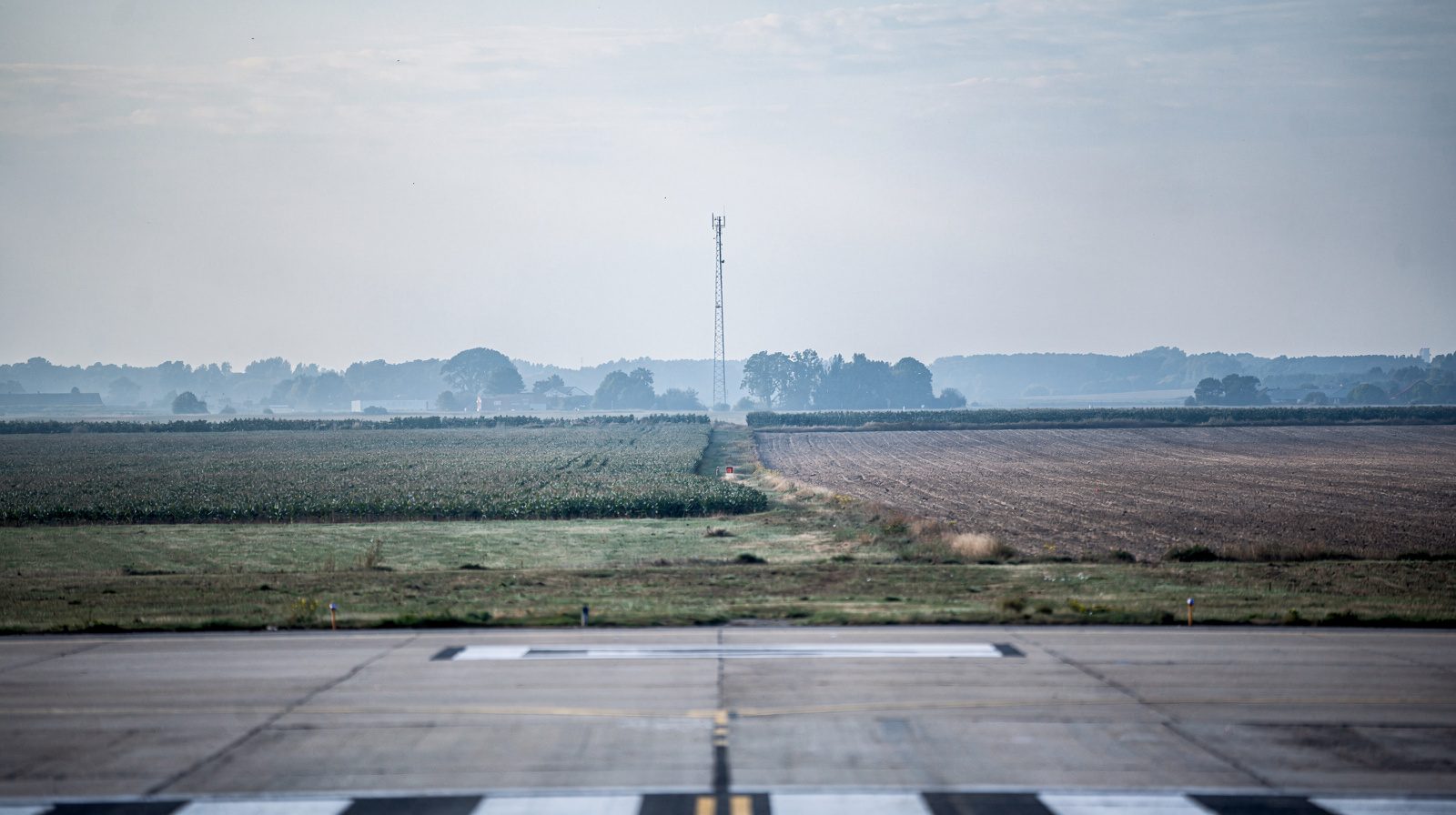
Airside Glossary
Airside Glossary: In-Depth Airport Operations Terminology
Welcome to the Airside Glossary, your comprehensive reference for understanding every aspect of airside operations at airports. This glossary is based on international civil aviation standards, such as those set by ICAO , FAA , and IATA , and is enhanced with practical insights from real-world airport operations. Whether you are an aviation professional, student, or enthusiast, this resource will clarify essential terms, concepts, and best practices in airside environments.
Table of Contents
- Airside
- Landside
- Runway
- Taxiway
- Apron (Ramp)
- Aircraft Stand
- Hangar
- Fuel Farm
- Fire and Rescue Station
- Cargo Facility
- ATC Tower
- Access Control
- Security Restricted Area (SRA)
- Critical Part of SRA (CPSRA)
- Demarcated Area
- Airside Identification Card (AIC)
- Ground Handling
- Apron Control
- Movement Area
- Markings and Lighting
- Vehicle Operations Airside
- Training Requirements
- Emergency Response – Airside
- Regulatory Authorities
- References and Further Reading
1. Airside
Definition:
The airside of an airport encompasses all operational areas where aircraft move and receive service. This includes runways, taxiways, aprons, and the surrounding terrain, as well as support facilities like hangars and fuel farms. Access is tightly regulated for safety and security. According to ICAO Annex 14
, airside is the “movement area” plus any adjacent terrain and buildings not accessible to the public.
Key Features:
- Boundaries: Typically marked by fences, gates, and security checkpoints.
- Facilities: Runways, taxiways, aprons, hangars, fuel farms, fire stations, cargo terminals.
- Excludes: Public areas such as terminal buildings, ticketing, and parking.
- Access: Controlled by identification cards, biometric readers, vehicle passes, and surveillance.
- Operational control: Managed by airport authorities, air traffic control, and security agencies.
- Purpose: Ensure safe, efficient, and secure aircraft operations.
References:
2. Landside
Definition:
Landside is the publicly accessible part of the airport, which includes ticketing areas, baggage claim, parking, public transport, and retail. No security clearance is needed.
Key Points:
- Functions: Passenger processing, public transportation, commercial services.
- Boundary: Separated from airside by security checkpoints, doors, or fences.
- Transition: Security screening points mark the move from landside to airside.
References:
3. Runway
Definition:
A runway is a designated, paved rectangular area for aircraft takeoff and landing. It is constructed to specific international standards for strength, markings, and lighting.
Features:
- Markings: Numbers for magnetic heading, threshold, centerline, touchdown zone.
- Lighting: Edge, centerline, threshold, approach lights, and REILs.
- Runway Safety Area: Graded extension for overrun protection.
- Protection Zone: Off-limits to non-essential persons and vehicles.
References:
4. Taxiway
Definition:
A taxiway is a path for aircraft to move between runways, aprons, hangars, and other facilities at low speeds.
Features:
- Markings: Yellow centerline and edge lines, hold short lines.
- Lighting: Blue edge lights, green centerline lights (for low-visibility).
- Naming: Letters and numbers for communication.
- Signage: Directional and location signs for pilots and vehicles.
References:
5. Apron (Ramp)
Definition:
The apron (or ramp in the US) is the area where aircraft are parked for loading, unloading, fueling, and minor servicing.
Features:
- Aircraft stands: Marked parking spots.
- Ground Support Equipment: Belt loaders, tugs, fuel trucks.
- Jet bridges: Enclosed walkways at terminal gates.
- Safety zones: Marked areas to keep clear of engines and propellers.
- Apron lighting: Floodlights for night operations.
References:
6. Aircraft Stand
Definition:
An aircraft stand is a specifically marked area on the apron where aircraft are parked for servicing, boarding, and loading.
Types:
- Contact stand: Located at terminal, accessible by jet bridge.
- Remote stand: Away from terminal, accessed by bus or stairs.
- Service stand: For overnight parking or maintenance.
Features:
- Marked lead-in lines, safety zones, ground power units.
References:
7. Hangar
Definition:
A hangar is a large enclosed building for storing, maintaining, or repairing aircraft.
Features:
- Fire suppression, high-strength floors, cranes, large access doors, environmental controls.
Uses:
- Routine checks, heavy maintenance, long-term storage.
References:
8. Fuel Farm
Definition:
A fuel farm is a secure area where aviation fuels are stored and distributed to aircraft.
Components:
- Storage tanks, pumps, filtration, hydrant network, control room, emergency systems.
Access:
- Strictly limited to trained personnel, with CCTV and regular inspections.
References:
9. Fire and Rescue Station
Definition:
The fire and rescue station (ARFF) is responsible for emergency response to aircraft incidents and fires on airside.
Features:
- Specialized vehicles, rescue tools, medical kits, foam/water systems.
- Strategically located to meet ICAO response time requirements.
References:
10. Cargo Facility
Definition:
A cargo facility is an airside area for handling, screening, and transferring air freight and mail.
Features:
- Cargo terminals, security fencing, specialized storage, ramp access.
Operations:
- Staff require security checks and airside training. Goods are screened per ICAO Annex 17.
References:
11. ATC Tower
Definition:
The Air Traffic Control (ATC) tower is the operational center that manages aircraft and vehicle movements on the ground and in the immediate airspace.
Functions:
- Ground control, tower/local control, and sometimes apron control.
- Uses radar, radio, and lighting systems for safety and coordination.
References:
12. Access Control
Definition:
Access control systems and procedures restrict, monitor, and authorize entry to the airside.
Elements:
- Security checkpoints, electronic readers, biometric gates, vehicle screening, CCTV.
References:
13. Security Restricted Area (SRA)
Definition:
The Security Restricted Area (SRA) is the core airside zone with the highest security, containing aircraft and critical infrastructure.
Access:
- Requires operational need and clearance, with strict screening and monitoring.
References:
14. Critical Part of SRA (CPSRA)
Definition:
The Critical Part of the Security Restricted Area (CPSRA) is the most sensitive part of the SRA, typically around aircraft and essential operations.
Access:
- Limited to essential personnel with the highest clearance. Enhanced screening and monitoring apply.
15. Demarcated Area
Definition:
A demarcated area is a temporarily or permanently segregated airside zone for special operations, such as VIP movements or construction.
Features:
- Marked with barriers, cones, or fencing. Access and surveillance adapted to the situation.
16. Airside Identification Card (AIC)
Definition:
An Airside Identification Card (AIC) is an official ID credential for authorized personnel needing airside access.
Issuance:
- Requires background checks, security training, and limited area access. Must be displayed at all times.
References:
17. Ground Handling
Definition:
Ground handling refers to all services supporting an aircraft while on the ground, including baggage, cargo, passenger services, refueling, catering, and maintenance.
Providers:
- Airlines, airport operators, or specialized contractors.
References:
18. Apron Control
Definition:
Apron control is the authority responsible for managing aircraft parking, pushbacks, and vehicle movement on the apron at busy airports.
Functions:
- Assigning stands, coordinating with ATC and ground handlers.
References:
19. Movement Area
Definition:
The movement area includes all runways and taxiways, plus any other surfaces used for taxiing, takeoff, and landing, under ATC control.
Excludes:
- Aprons and stands.
References:
20. Markings and Lighting
Definition:
Markings and lighting provide visual guidance for safe aircraft and vehicle movements.
Types:
- Markings: centerline, edge lines, hold lines, threshold, touchdown zones.
- Lighting: runway (white), taxiway (blue/green), approach lights, stop bars.
References:
21. Vehicle Operations Airside
Definition:
All vehicle movement on airside is strictly regulated to prevent hazards and interference with aircraft.
Requirements:
- Driver training, permits, vehicle markings, radio communication with ATC or apron control.
Rules:
- Speed limits, right-of-way, crossing procedures.
References:
22. Training Requirements
Definition:
Personnel working airside must complete initial and recurrent training in safety, security, driving, and emergency procedures.
Includes:
- Airside driving, FOD awareness, fire safety, radio procedures, emergency response.
References:
23. Emergency Response – Airside
Definition:
Airside emergency response comprises coordinated actions for aircraft incidents, fires, hazardous spills, and medical emergencies.
Components:
- ARFF, medical teams, incident command, evacuation procedures.
References:
24. Regulatory Authorities
Definition:
Key organizations set and enforce standards for airside operations:
- ICAO – International Civil Aviation Organization
- FAA – Federal Aviation Administration (USA)
- EASA – European Union Aviation Safety Agency
- IATA – International Air Transport Association
References:
25. References and Further Reading
- ICAO Annex 14 – Aerodromes
- FAA Advisory Circular 150/5300-13A – Airport Design
- Airport terminal – Wikipedia
- Runway – Wikipedia
- Taxiway – Wikipedia
- Airport apron – Wikipedia
- Movement area – Wikipedia
- Aircraft ground handling – Wikipedia
- Airport security – Wikipedia
For further details on airport
Frequently Asked Questions
- What is airside at an airport?
- The airside of an airport includes all areas used for aircraft movement and servicing, such as runways, taxiways, aprons, and adjacent facilities. Access is strictly controlled for safety and security. See ICAO Annex 14 for formal definitions.
- How does airside differ from landside?
- Landside refers to areas open to the general public like check-in, baggage claim, and parking, while airside is restricted to authorized personnel and is where all aircraft operations take place. The two are separated by security checkpoints and access controls.
- What is a runway incursion?
- A runway incursion is any unauthorized presence of an aircraft, vehicle, or person on a runway, posing a significant safety risk. International standards and procedures are in place to prevent such incidents.
- Who can access airside areas?
- Only authorized personnel with proper identification and training can access airside areas. This includes airport staff, airline employees, ground handlers, and government agencies. Access is controlled by identification cards and security protocols.
- What are the main safety hazards airside?
- Hazards include aircraft movement, jet blast, prop wash, foreign object debris (FOD), fuel spills, and unauthorized access. Strict rules, training, and surveillance help mitigate these risks.
This is a reference entry. TarmacView provides drone inspection services and doesn't sell the equipment or materials described in this glossary.