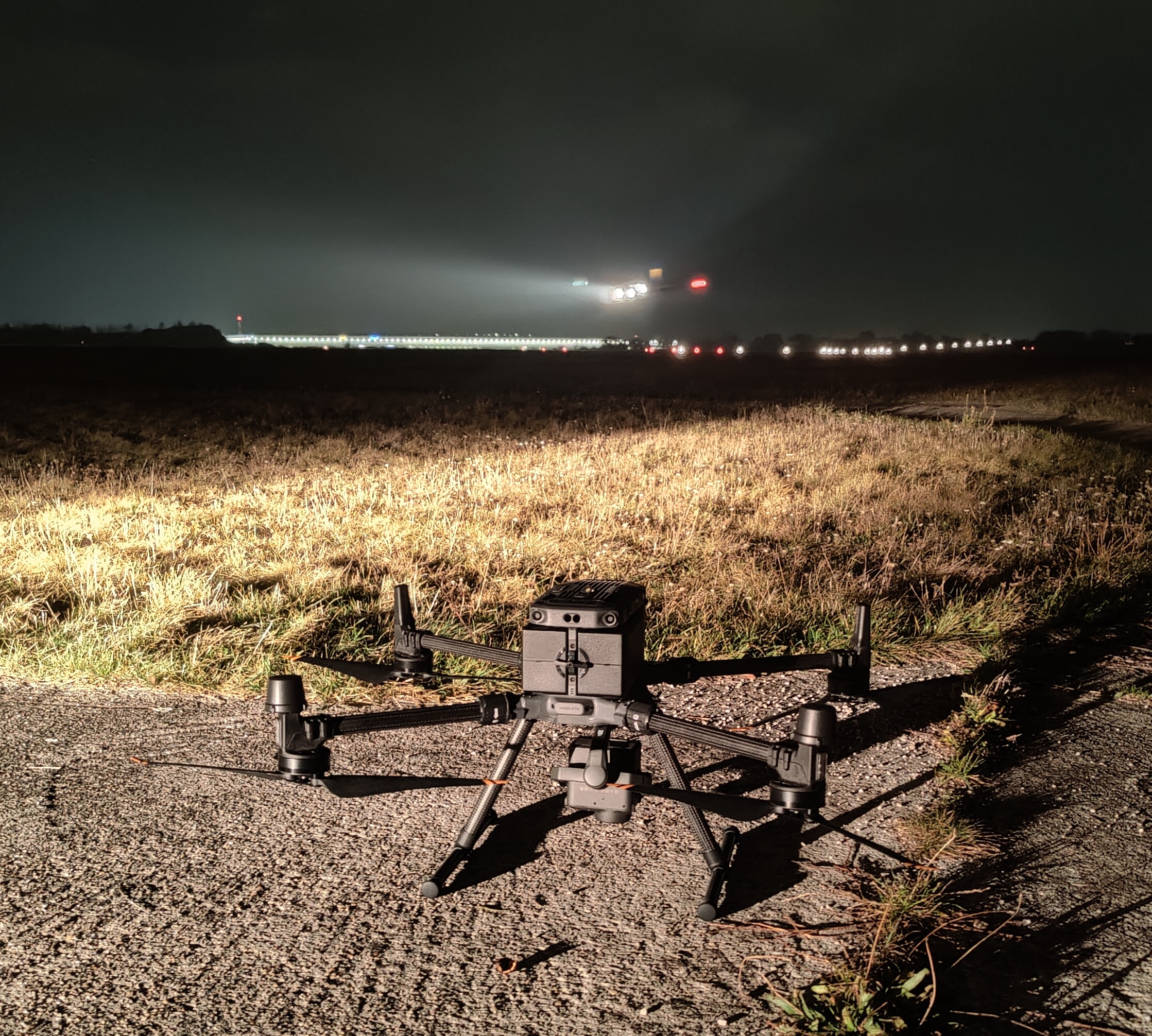
What is an Inspection Aircraft?
Inspection Aircraft – Aircraft Equipped for Flight Inspection of Navigation Aids in Aviation Operations
Definition: What Is an Inspection Aircraft?
Inspection aircraft are specially configured airplanes or helicopters designed to serve as flying laboratories for the precise evaluation of air navigation aids (NAVAIDs), instrument flight procedures, and related aviation infrastructure. Outfitted with advanced measurement and analysis systems, these aircraft conduct airborne inspections to verify the accuracy, reliability, and coverage of critical navigation signals. Their mission is to ensure that ground-based and satellite-based navigation systems, such as Instrument Landing Systems (ILS), VHF Omnidirectional Ranges (VOR), Non-Directional Beacons (NDB), Distance Measuring Equipment (DME), Tactical Air Navigation (TACAN), and GPS procedures, operate within regulatory tolerances specified by international (ICAO) and national (FAA, EASA, etc.) standards.
Inspection aircraft form a vital layer of aviation safety assurance, bridging the gap between technical ground maintenance and real-world flight environments. By flying controlled, repeatable profiles and recording navigation signals in situ, they provide objective evidence that navigation aids perform safely for all users.
Purpose and Use of Inspection Aircraft
Inspection aircraft are indispensable to the ongoing safety and efficiency of the global airspace system. Their primary purpose is to provide objective, in-situ validation of the electromagnetic signals and procedural flyability associated with both ground-based and satellite navigation aids. Without rigorous airborne validation, undetected signal anomalies or environmental interferences could lead to hazardous situations for flight crews and passengers.
Key use cases include:
- Commissioning: Certifying new or modified navigation aids before they are made operational.
- Periodic Revalidation: Conducting scheduled checks to confirm continued accuracy and compliance of existing NAVAIDs.
- Special Inspections: Addressing anomalies reported by pilots or maintenance crews, or following notable events (e.g., lightning strikes or equipment repair).
- Obstacle and Airspace Surveys: Ensuring new structures or obstacles do not infringe upon protected airspace or compromise safety margins for procedures.
These activities are required by regulations and are fundamental to the safe operation of airports and navigation procedures worldwide.
Types of Flight Inspections
Periodic Inspections
Routine, scheduled evaluations to ensure ongoing compliance of navigation aids with regulatory standards. The frequency is dictated by the criticality of the system (e.g., ILS Category III systems require more frequent checks than basic NDBs).
Commissioning Inspections
Comprehensive evaluations carried out before new or significantly modified NAVAIDs or flight procedures become operational.
Special Inspections
Triggered by specific events such as anomalies, maintenance activities, or environmental incidents to confirm continued safety and performance.
Reconfiguration Inspections
Required after any substantial change to the configuration or geometry of a navigation aid, such as runway realignment or antenna relocation.
Obstacle and Airspace Surveys
Focused flights to detect and chart obstacles or changes in the environment that could affect instrument procedures or minimum safe altitudes.
Each inspection type follows standardized procedures, often detailed in ICAO Doc 8071 and FAA Order 8200.1, to ensure consistency and regulatory compliance.
The Flight Inspection Process: Phases and Methodology
Pre-Flight Planning
- Objective Definition: Determining which aids or procedures require inspection and specifying the performance criteria.
- Flight Profile Planning: Mapping exact flight paths, altitudes, and maneuvers needed for each inspection.
- Aircraft and Equipment Preparation: Calibrating and verifying all measurement systems.
- Stakeholder Coordination: Notifying ATC, airport authorities, and ground teams for necessary support.
- Risk Assessment: Evaluating weather and operational risks.
In-Flight Assessment
- Controlled Flight Maneuvers: Flying precise profiles to challenge NAVAID operational envelopes.
- Real-Time Data Collection: Continuous monitoring and analysis of navigation signals using AFIS and other onboard systems.
- Repeat Maneuvers: Repeating flights if data is compromised or further validation is needed.
Post-Flight Debriefing
- Data Analysis: Comparing measurements to regulatory tolerances.
- Reporting: Documenting findings, deficiencies, and recommended actions.
- Stakeholder Communication: Sharing results with authorities and initiating corrective actions as necessary.
- Archival: Storing data for compliance and future reference.
This systematic approach ensures comprehensive evaluation and supports safe, reliable airspace operations.
Aircraft and Equipment Used in Flight Inspection
Common Inspection Aircraft Types
- Beechcraft King Air series: Popular for regional and remote airport inspections due to reliability and cabin space.
- Bombardier Challenger series: Used for long-range or high-altitude missions, ideal for enroute NAVAID checks.
- Cessna Citation series: Favored for speed, flexibility, and high-density airspace access.
- Piper Cheyenne and similar turboprops: Used for low-level or small airport operations.
- Helicopters: Occasionally employed for heliport inspections or offshore installations.
Onboard Systems and Technology
- Automatic Flight Inspection System (AFIS): Integrates sensors, analyzers, and data recorders for comprehensive signal evaluation.
- Precision GPS Receivers: Provide centimeter-level positional accuracy.
- Flight Management System (FMS): Enables precise execution of complex flight profiles.
- Mission Specialist Workstations: Real-time data displays and control interfaces.
- Advanced Communications: For real-time coordination with ground teams and data transmission.
- Specialized Antennas and Shielding: Minimize interference and maximize signal fidelity.
This equipment enables inspection teams to conduct accurate, efficient, and reliable evaluations in all conditions.
Roles and Responsibilities in Flight Inspection Operations
- Inspection Pilots: Expert pilots trained for precise, repeatable maneuvers under varying conditions.
- Mission Specialists/Flight Inspectors: Technical experts who operate and interpret AFIS and measurement systems.
- Maintenance Personnel: Ensure optimal readiness of both aircraft and ground-based NAVAIDs.
- Air Traffic Controllers: Coordinate special airspace access and flight profiles.
- Schedulers and Program Managers: Oversee inspection scheduling and compliance.
- Regulatory Authorities: Review results, enforce standards, and issue operational directives.
This multidisciplinary collaboration is essential for effective, safe inspection operations.
Technical Details: Inspection Maneuvers and NAVAID Types
Key Flight Inspection Maneuvers
- Inspection Arc: Flown around ILS localizers to assess lateral signal coverage and accuracy.
- Glideslope Holding Pattern: Evaluates the vertical guidance of ILS glideslopes.
- Low Approach: Verifies real-world signal integrity at decision altitude.
- VOR Orbit: Circular flights to assess VOR azimuth and signal strength.
- Radial Flights: Straight-line flights along specific radials to detect distortion or irregularities.
- Obstacle Checks: Visual and electronic surveys to identify uncharted obstacles.
- Procedure Validation: Flying SIDs, STARs, and approaches to confirm navigational safety and flyability.
NAVAIDs Commonly Inspected
- ILS (Instrument Landing System)
- VOR (VHF Omnidirectional Range)
- DME (Distance Measuring Equipment)
- NDB (Non-Directional Beacon)
- TACAN (Tactical Air Navigation)
- GPS/RNAV (Satellite-based Navigation Procedures)
Each inspection maneuver is designed to detect subtle deviations that could affect flight safety, with all results documented and reported according to strict regulatory protocols.
Inspection Aircraft in Civil and Military Aviation
Both civil and military aviation authorities operate inspection aircraft, sometimes with unique requirements (e.g., TACAN for military). Many countries use government agencies for these missions, while others contract specialized providers. The integration of contracted flight inspection services is increasingly common, especially for smaller states or private airports seeking to maintain compliance with international standards.
Regulatory Framework and Standards
Flight inspection operations are governed by strict international and national regulations. Core documents include:
- ICAO Doc 8071: Manual on Testing of Radio Navigation Aids
- FAA Order 8200.1: United States Flight Inspection Policy and Procedures
- EASA, Eurocontrol, and national standards: For Europe and other jurisdictions
These specify inspection frequencies, tolerances, documentation, and reporting requirements, ensuring harmonized safety across global airspace.
Conclusion
Inspection aircraft are critical for maintaining the safety and reliability of aviation navigation aids and procedures. Through a combination of advanced technology, expert crews, and rigorous regulatory oversight, they provide the final layer of assurance that NAVAIDs and instrument flight procedures are safe for everyday use by the global aviation community.
Their work supports the operational integrity of airports, national airspace systems, and international flight corridors, ensuring that pilots and controllers can rely on their navigation tools in all conditions.
For more information about flight inspection or to schedule a consultation, contact us or schedule a demo .
Frequently Asked Questions
- What is an inspection aircraft used for in aviation?
- Inspection aircraft are dedicated to verifying the performance, accuracy, and safety of navigation aids (NAVAIDs) such as ILS, VOR, DME, and GPS procedures. By flying precise patterns and collecting real-time data, they ensure these systems meet regulatory standards set by authorities like ICAO and FAA, safeguarding flight operations globally.
- What types of navigation aids do inspection aircraft test?
- Inspection aircraft evaluate a variety of ground-based and satellite-based navigation aids, including Instrument Landing Systems (ILS), VHF Omnidirectional Ranges (VOR), Non-Directional Beacons (NDB), Distance Measuring Equipment (DME), Tactical Air Navigation (TACAN), and GPS/RNAV procedures.
- How often are flight inspections performed?
- Inspection intervals depend on the criticality and category of the navigation aid. For example, ILS systems may require checks every 180 days, while less critical aids might be inspected annually. Special inspections are also performed after maintenance, anomalies, or environmental events.
- What equipment is installed on an inspection aircraft?
- Inspection aircraft are equipped with Automatic Flight Inspection Systems (AFIS), precision GPS receivers, mission specialist workstations, and advanced communications for real-time data analysis. These systems allow crews to detect even minor deviations in navigation signal quality and coverage.
- Who operates and manages inspection aircraft?
- Flight inspection operations are carried out by multidisciplinary teams including specially trained pilots, mission specialists or flight inspectors, maintenance personnel, air traffic controllers, and regulatory authorities. Some operations are managed by government agencies, while others are contracted to specialized providers.
This is a reference entry. TarmacView provides drone inspection services and doesn't sell the equipment or materials described in this glossary.