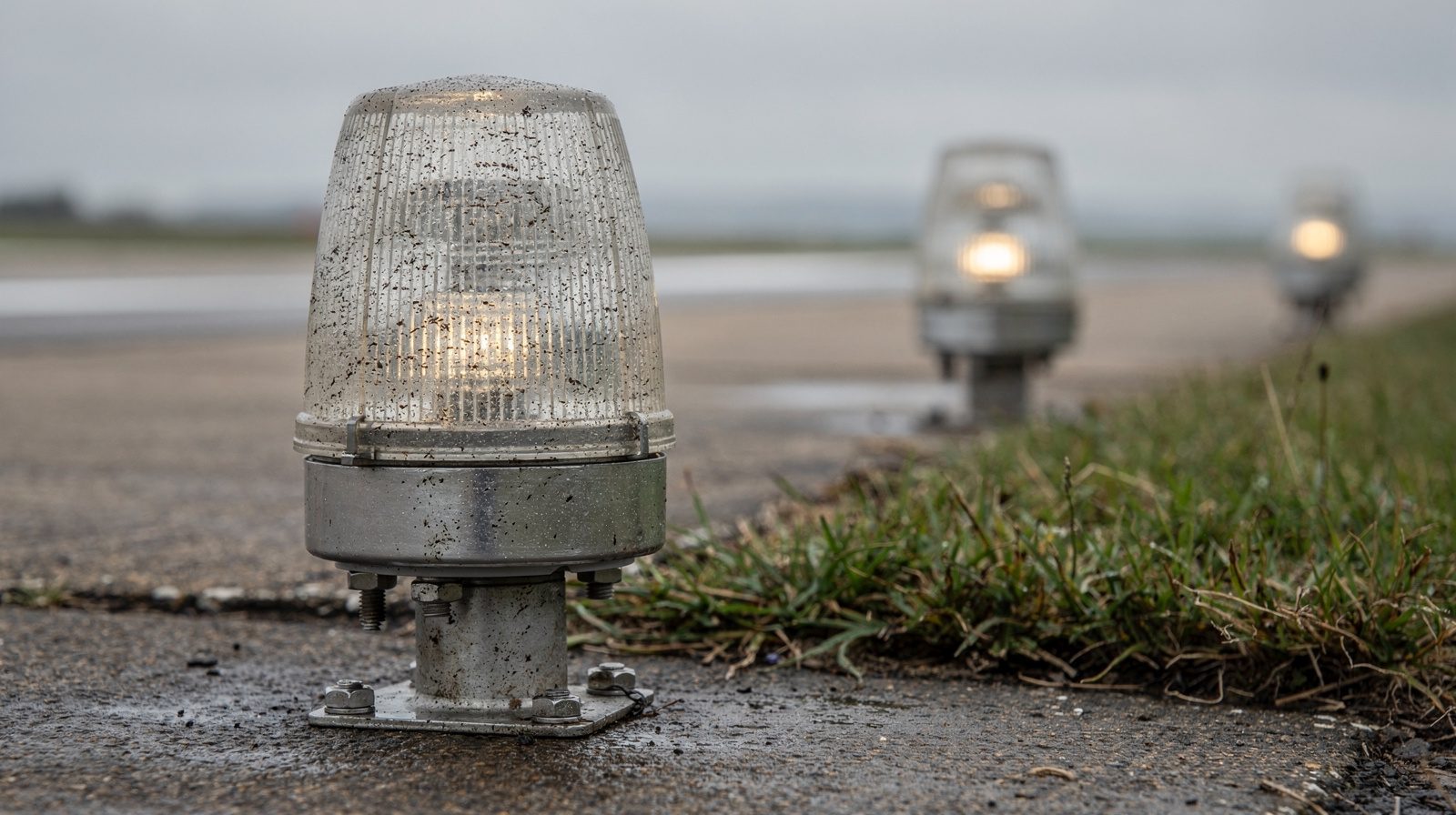
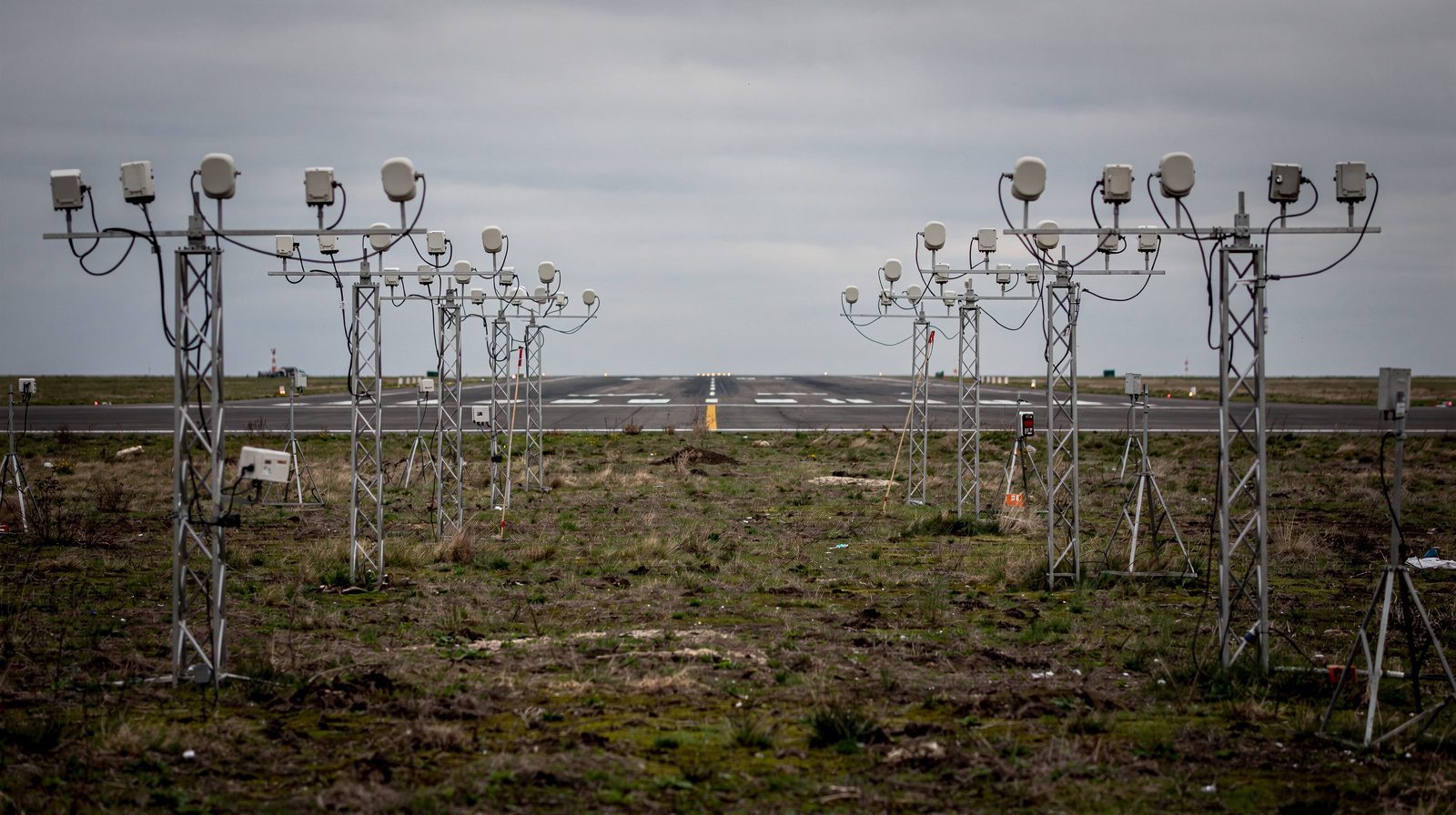
What is a decommissioned light?
Definition
A decommissioned light is a lighting unit that has been deliberately and formally removed from operational service. In electrical and aviation contexts, this means the unit is no longer energized, is physically disconnected from its power source, and is marked or documented as being out of use. Decommissioning may involve complete removal of the fixture and its wiring, or abandonment in place with proper insulation and labeling. This procedure ensures the unit cannot be inadvertently returned to service and prevents electrical hazards or confusion, as mandated by standards like ICAO Annex 14 (aviation) or the National Electrical Code (NEC).
A light unit removed from service is a synonymous term, referring to any lighting assembly, including fixture, lamp, ballast, and wiring, that has been temporarily or permanently taken out of operation and safely isolated from power.
Maintenance includes all actions to sustain safe, efficient, and compliant lighting systems: inspection, cleaning, repair, replacement, decommissioning, and documentation, as guided by international and national codes.
Context and Rationale
Safety
Proper decommissioning prevents electrical shocks, short circuits, and fire hazards. Exposed or incorrectly isolated conductors pose risks to maintenance personnel, building occupants, and, especially in aviation, can create confusion for pilots, leading to dangerous situations.
Regulatory Compliance
International and national standards (such as NEC, NFPA 101, ICAO Annex 14) require unused or abandoned lighting equipment to be removed or clearly identified and made safe. Noncompliance can result in legal penalties, insurance issues, or operational shutdowns.
Operational Efficiency
Removing or tagging decommissioned lights reduces confusion during future maintenance and ensures only active components are serviced, saving time and cost, especially in large facilities.
System Modernization
Modernization projects (e.g., upgrading to LED, reconfiguring runways) require decommissioning obsolete fixtures for safety and compliance.
Energy Conservation
Eliminating unnecessary or redundant lighting units reduces energy consumption and aligns with sustainability goals.
Documentation and Traceability
Accurate records support regulatory inspections, audits, and future maintenance, preventing hidden risks or compliance gaps.
How Decommissioned Lights Are Used
Permanent Removal
All elements (fixture, wiring, hardware) are physically removed, starting with safe disconnection at the breaker or panel. This method is used for repurposed, renovated, or demolished areas, or permanently closed airfield sections.
Abandonment in Place
Fixtures are left installed but permanently disconnected, capped, insulated, and labeled (e.g., “Abandoned in Place – Not for Use”). This is common where removal is impractical.
Temporary Decommissioning
During renovations or maintenance, units may be disconnected and tagged “Out of Service.” They can be restored or removed after the project.
Compliance or Hazard Mitigation
Inspections may reveal code violations or hazards (e.g., ungrounded fixtures, exposed wiring). Such units are decommissioned until replaced or upgraded.
All actions are documented, and diagrams and logs updated to reflect changes, preventing accidental re-energization and code violations.
Decommissioning/Removal Procedures
Tools and Materials
- Non-contact voltage tester
- Insulated screwdrivers, wire cutters, strippers, pliers
- Approved wire nuts, terminal caps, electrical tape
- Labels or tags
- PPE: dielectric gloves, safety glasses, insulated footwear
Step-by-Step Process
- Safety Precautions: Identify and isolate the circuit at the breaker. Apply lockout/tagout (LOTO) procedures. Verify de-energized status with a voltage tester.
- Accessing the Fixture: Use appropriate ladder/lift. Remove covers and lamps.
- Disconnecting: Detach fixture and wiring (hot, neutral, ground). Remove terminals and separate conductors.
- Isolating and Securing: Cap all conductors, double-wrap with tape. If abandoned in place, label and secure inside the enclosure.
- Labeling and Documentation: Tag all accessible points (“Abandoned in Place – Not for Use”). Update maintenance logs and electrical schematics.
- Final Inspection: Ensure no live wires are accessible, labeling is complete, and the fixture cannot be inadvertently re-energized.
- Disposal/Storage: Dispose of fixtures per environmental/hazardous materials regulations (e.g., mercury, PCBs), prioritizing recycling.
- Recordkeeping: Maintain detailed records for audits, insurance, and future planning.
Tip: Never assume a fixture is de-energized based solely on a switch. Always confirm with a tester and follow LOTO protocols.
Regulatory and Code Requirements
| Standard | Removal Required | Tagging Required | Insulation of Conductors | Documentation |
|---|---|---|---|---|
| ICAO Annex 14 | Yes/If practical | Yes | Yes | Yes |
| NEC | Yes/If practical | Yes | Yes | Yes |
| NFPA 101 | Yes | Yes | Yes | Yes |
| Local Codes | Varies | Yes | Yes | Yes |
ICAO Annex 14 (Aerodromes):
Requires decommissioned lighting to be clearly marked or removed to prevent confusion, with all changes logged and coordinated with airport authorities.
NEC:
Mandates tagging and insulation of abandoned equipment at all termination points. Abandoned wiring in accessible areas must be removed or tagged.
NFPA 101:
Specifies that non-operational lighting must not compromise life safety. Abandoned cables not marked for future use must be removed.
Local Codes:
May require additional steps, such as prompt reporting, removal from accessible areas, or more stringent labeling.
Aviation:
Decommissioning must be coordinated with airport authorities and air traffic control, with updates reflected in NOTAMs and airfield charts.
Examples and Use Cases
- Residential: Unsafe ceiling light is disconnected, wires capped and labeled “Abandoned in Place,” and documented in maintenance log.
- Commercial Retrofit: Old hospital fixtures are removed, wiring extracted, hazardous materials recycled, and project logged in maintenance system.
- Aviation/Airfield: Taxiway lights are decommissioned for resurfacing, circuits disconnected, tagged, and status communicated via NOTAM.
- Industrial Facility: Obsolete storage area lighting is decommissioned, mapped, and appended to electrical schematics.
- Construction: Corridor lighting temporarily removed and tagged “Out of Service for Construction,” then restored or replaced post-project.
Common Issues and Reporting
- Exposed/Uncapped Wiring: Creates immediate hazards, must be insulated and tagged.
- Improper Tagging: Leads to confusion, accidental re-energization, or troubleshooting errors.
- Defective Fixtures Left in Place: Pose risks if not isolated and labeled.
- Improper Disposal: Fixtures containing mercury or PCBs must be handled per hazardous waste regulations.
- Code Violations: Result from failure to remove or tag wiring, risking fines or shutdowns.
Reporting Procedures:
Report issues to management, maintenance, or local authorities (e.g., NYC 311). Report hazards (live wires, sparks) to emergency services. Maintenance teams document all actions.
Related Terms
- Abandoned in Place (AIP): Disconnected equipment left in situ, clearly labeled.
- Authority Having Jurisdiction (AHJ): Official responsible for code enforcement.
- Tagging: Attaching durable labels to indicate status.
- Accessible Area: Locations reachable without demolition, codes require removal or tagging of abandoned wiring.
- Fixture: Physical housing for lamp and wiring.
- Electrical Raceway: Conduit for wiring, abandoned wiring should be removed where practical.
- Discontinued Outlet: Outlet/junction box permanently out of service, with wiring extracted or insulated and tagged.
Additional Considerations
- Airfield Practices: Coordinate with airport and air traffic control, update NOTAMs, and follow ICAO Annex 14.
- Hazardous Materials: Handle lamps and ballasts with mercury or PCBs per hazardous waste rules.
- Safety: Always verify de-energization, use PPE, and follow LOTO.
- System Integration: Coordinate with emergency lighting, fire alarms, and detectors for compliance.
Example Illustrations
Diagram: Flowchart showing power-off, disconnection, insulation, labeling, and documentation.
Table: Comparison of ICAO, NEC, and NFPA requirements (see above).
Summary
A decommissioned light is a fixture or lighting unit intentionally removed from service for safety, compliance, efficiency, or modernization. Proper decommissioning involves power-off verification, safe disconnection, insulation or removal of wiring, clear tagging, and thorough documentation. Following regulatory standards, including ICAO Annex 14, NEC, and NFPA, prevents hazards and supports safe, efficient operations. Prompt reporting and regular maintenance keep environments compliant and reduce risk.
For detailed procedures or compliance questions, always consult applicable codes or a licensed professional.
Frequently Asked Questions
- What does 'decommissioning a light' mean?
- It means safely removing a light fixture or unit from service, either by physically extracting it or by disconnecting and isolating it so it cannot be used or accidentally energized, following regulatory and safety procedures.
- Is it necessary to remove abandoned wiring after a light is decommissioned?
- Yes. Codes such as the NEC and NFPA require that abandoned wiring be removed from accessible areas or, if left in place, be properly tagged and insulated to prevent hazards.
- Can I remove a light fixture myself?
- In many jurisdictions, simple fixture removal is considered ordinary maintenance and does not require a permit. However, all work must meet code requirements. For complex or unfamiliar systems, consult a licensed electrician.
- What are the risks of not properly decommissioning a light?
- Risks include electrical shock, fire, code violations, fines, and liability for injuries or property damage. Proper procedures are essential for safety and compliance.
- How do I report a dangerous or defective light fixture?
- Report issues to building management or facility maintenance. In residential settings, use local complaint systems (e.g., NYC 311). For immediate hazards, contact emergency services.
- What happens after I report a maintenance issue?
- Authorities will investigate, notify the responsible party, and may issue violations if the problem is not corrected. Building owners are typically required to resolve safety hazards promptly.
This is a reference entry. TarmacView provides drone inspection services and doesn't sell the equipment or materials described in this glossary.