What is Degraded, Reduced in Quality, and Maintenance?
Degraded – Reduced in Quality – Maintenance
Introduction
In safety-critical industries such as aviation, understanding the concepts of degradation, reduced quality, and maintenance is essential for regulatory compliance, operational efficiency, and, above all, passenger and operator safety. These terms not only denote physical or functional decline but also frame the strategies and standards by which organizations maintain the integrity and reliability of their assets. This glossary entry provides an in-depth exploration of these interrelated concepts, with a focus on their technical, operational, economic, and regulatory dimensions, particularly in the context of aviation.
Degraded: Technical and Material Perspective
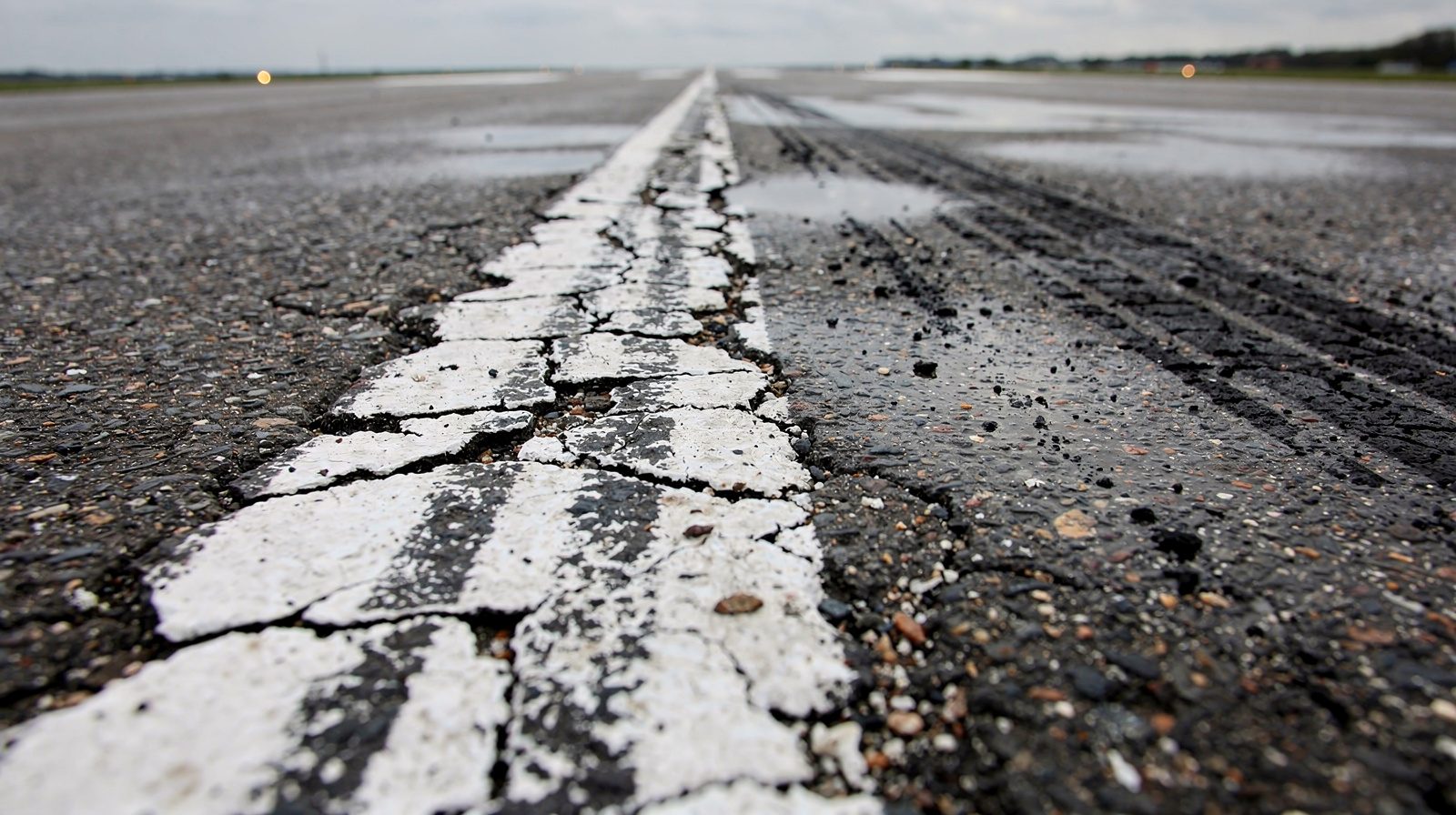
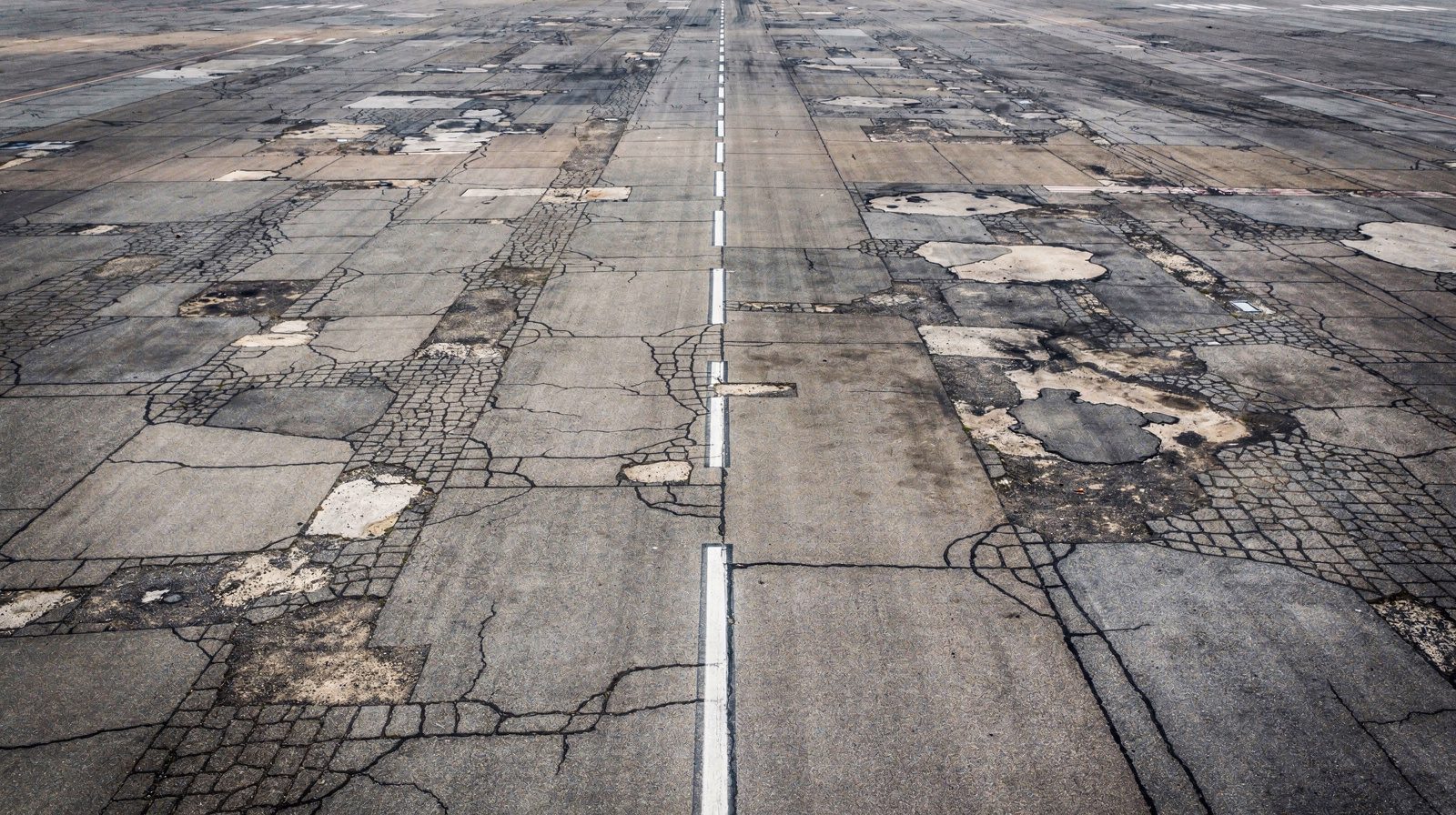
A system, component, or material is described as degraded when its performance, structural integrity, or appearance falls below its intended or original condition. Degradation is a progressive process that can range from subtle inefficiencies to outright failure. It is relevant across domains, mechanical, electronic, structural, and digital.
Mechanisms of Degradation
Degradation can be triggered or accelerated by numerous mechanisms:
- Material Fatigue: Repeated cyclic loading causes microscopic cracks that grow, leading to failure (e.g., wing spars, landing gear).
- Corrosion: Chemical reactions, particularly in metals, cause material loss and weakening (e.g., fuselage skins, control cables).
- Thermal Stress: Repeated heating and cooling cycles cause expansion/contraction, embrittling materials (e.g., exhaust systems).
- UV Light Exposure: Sunlight degrades polymers, paints, and composites.
- Data Corruption: In digital systems, errors accumulate in memory/storage, leading to software or firmware failures.
In aviation, industry standards (e.g., ICAO Doc 9760) require that both overt and latent degradation (issues not immediately visible but potentially hazardous) are tracked and managed.
Detection, Significance, and Industry Implications
Detection techniques include:
- Visual Inspections: Look for discoloration, cracks, or deformation.
- Nondestructive Testing (NDT): Ultrasonic, eddy current, and radiographic tests identify subsurface flaws.
- Performance Monitoring: Drift in electronic signals, increased error rates, or abnormal sensor readings.
The impact of degradation varies: cosmetic issues may be tolerable, while functional degradation (e.g., corroded fasteners, reduced insulation) can be catastrophic. In regulated sectors, thresholds for acceptable degradation are codified, and falling below them requires documentation and action.
Reduced in Quality: User and Operational Impact
Reduced in quality refers to any measurable or perceived diminishment in a product’s utility, safety, or appeal compared to its optimal or delivered state.
Manifestations
- Subtle Decline: Diminished battery life in electronics, less responsive car brakes, or increased crash frequency in software.
- Operational Indicators: Increased vibration, abnormal temperature, or pressure readings, leaks or slower system response.
Evaluation and Metrics
- Periodic Inspections: Scheduled checks detect early signs of wear or performance loss.
- Performance Tests: Benchmarks and system tests quantify the extent of quality reduction.
- User Feedback: Reports from operators or passengers (e.g., comfort, noise, system responsiveness).
Minimum Equipment Lists (MELs) in aviation define what level of degradation is permissible for continued operation and what requires immediate maintenance or grounding.
Consequences
Quality reduction impacts user satisfaction, safety, and operational costs. In aviation, it can result in service restrictions, increased maintenance intervals, or even regulatory intervention.
Maintenance: Technical, Organizational, and Regulatory Dimensions
Maintenance is the collection of all activities, inspection, cleaning, repair, replacement, required to preserve or restore the intended function of a system.
Types of Maintenance
| Maintenance Type | Description | Aviation Example |
|---|---|---|
| Preventive | Scheduled to avoid failure or degradation | Engine oil changes, A-checks |
| Corrective | Performed after fault detection | Brake pad replacement |
| Predictive | Uses data analytics to anticipate failures | Vibration analysis on turbines |
| Condition-Based | Based on actual equipment status | Tire tread measurement |
Processes, Tools, and Documentation
- Documentation: Logbooks, certificates, and compliance records are mandatory.
- Tools: Sensor networks, digital diagnostics, advanced NDT, and specialized ground support equipment.
- Organizational Requirements: Workforce training, supply chain management, and adherence to safety management systems (SMS).
Strict regulatory frameworks (e.g., ICAO Annex 6, EASA Part-M, FAA 14 CFR Part 43) govern every aspect of maintenance, from scheduling to reporting and audits.
Degradation in Aviation: ICAO and Industry Standards
In aviation, degradation is any reduction in the structural, mechanical, or operational integrity of systems and components. ICAO and national authorities mandate proactive monitoring and reporting of degradation.
Examples
- Structural: Fatigue cracks, corrosion, delamination.
- Mechanical: Bearing wear, actuator drift.
- Avionics: Sensor calibration loss, software glitches.
- Environmental: Insulation breakdown due to moisture or heat.
Detection and Reporting: Reliability programs, as required by ICAO Annex 6, ensure early detection. Findings must be reported to authorities, potentially triggering broader inspections or design changes.
Compliance: Maintenance manuals define degradation thresholds. Exceeding them mandates corrective action, sometimes including aircraft grounding.
Reduced in Quality: Lifecycle Management and Economics
Quality reduction is inevitable over time but can be managed through robust lifecycle strategies.
Economic Implications
- Increased Costs: More frequent repairs and downtime.
- Reputational Risk: Failure to maintain quality can harm brand and market share.
- Optimal Interventions: Cost-benefit analyses guide repair, overhaul, or replacement decisions.
Predictive Maintenance and Data Analytics
Real-time sensor data enables predictive algorithms to forecast degradation and schedule maintenance proactively, minimizing unplanned downtime.
Example: Airlines use engine health monitoring to detect early signs of bearing wear, enabling scheduled replacement and avoiding in-service failures.
Maintenance Methodologies: Reliability, Safety, and Regulation
Reliability-Centered Maintenance (RCM)
RCM develops maintenance programs based on failure mode and effects analysis (FMEA), focusing resources on critical components. Recommended by ICAO and IATA, RCM aligns maintenance with actual operational risk.
Safety and Regulatory Compliance
Maintenance is integrated into safety management systems (SMS). Regular audits and oversight by civil aviation authorities ensure adherence to standards and continuous improvement.
Human Factors
Human error in maintenance can have severe consequences. Training, clear standard operating procedures, and strong safety cultures are essential.
Types of Degradation: Mechanisms and Countermeasures
| Mechanism | Description | Countermeasure | Aviation Example |
|---|---|---|---|
| Fatigue | Crack growth from cyclic loading | NDT, replacement | Wing spars, landing gear |
| Corrosion | Material loss via chemical reaction | Surface treatment, controls | Fuselage, cables |
| Wear | Material loss from friction | Lubrication, replacement | Bearings, slides |
| Thermal | Breakdown from heating/cooling cycles | Material upgrade, management | Exhausts |
| Software Obsolescence | Incompatibility or lack of support | Updates, hardware upgrades | Avionics, FMS |
| Calibration Drift | Gradual sensor inaccuracy | Scheduled recalibration | Altimeters, pitot tubes |
Planned Obsolescence and Sustainability
Planned obsolescence is designing products for limited lifespan. In aviation, this can mean proprietary components or limited support, increasing waste and costs.
Sustainability Impacts
- More frequent replacements increase resource use and waste.
- Industry and regulatory efforts now promote durability, repairability, and recycling.
Policy Responses
- Right-to-repair laws, repairability scores, and extended producer responsibility are gaining traction.
- Airlines are encouraged to prioritize long-life, reclaimable components.
Metrics: Quantifying Degradation and Maintenance
| Metric | Definition | Aviation Example |
|---|---|---|
| Mean Time Between Failures (MTBF) | Average time between failures | Engine hours between overhauls |
| Mean Time To Repair (MTTR) | Time to restore function | Time to replace an actuator |
| Service Life Expectancy | Predicted operational duration | Airframe service life (years/cycles) |
| Reliability Index | System performance probability | Dispatch reliability |
| Repairability Score | Ease of maintenance/repair | Manual/part availability |
Modern aircraft health monitoring systems use these metrics to optimize maintenance and fleet management.
Socio-Technical Systems and Lifecycle Quality
A socio-technical system encompasses people, technologies, and processes sustaining aviation safety and maintenance.
Lifecycle Quality Assurance
Success requires coordination among manufacturers, operators, regulators, and maintenance providers. Root cause analysis of premature degradation often points to systemic issues, such as poor training or supply chain gaps.
Case Study
The Boeing 787’s early composite fuselage degradation led to revised inspection protocols and design improvements, exemplifying cross-functional collaboration for lifecycle quality.
Practical Aviation Case Studies
- Engine Turbine Blade Degradation: High temperatures cause material loss (creep, oxidation, fatigue). Early detection with borescope and NDT, plus advanced coatings, extend life.
- Avionics Software Aging: Software obsolescence is managed with patches, hardware upgrades, or replacement to ensure compatibility and security.
- Hydraulic System Leaks: Detected by monitoring pressure and fluid samples, preventive replacement of seals/hoses averts failures.
- Cabin Interior Wear: Managed with periodic refurbishment and durable materials for passenger comfort.
Glossary Table: Aviation-Focused Definitions
| Term | Aviation-Specific Definition |
|---|---|
| Degraded | Loss of expected performance or structural integrity in aircraft systems, components, or materials. |
| Quality Degradation | Measurable reduction in airworthiness, reliability, or passenger comfort due to wear, fatigue, or obsolescence. |
| Maintenance | All technical and administrative actions to preserve or restore airworthiness and operational capability. |
| Service Life | The period during which an aircraft or component is expected to remain airworthy under specified conditions. |
| Planned Obsolescence | Design choice resulting in limited supportability or repairability, accelerating replacement cycles. |
| Repairability | The feasibility of restoring function to a degraded or failed aircraft component or system. |
| Technical Service Life | Manufacturer-specified period of optimal performance, often supported by certification data. |
| Socio-Technical System | Interdependent network of people, processes, and technologies governing aviation maintenance and safety. |
Summary Table: Degraded – Reduced in Quality – Maintenance (Aviation Context)
| Aspect | Aviation Definition/Explanation | Example(s) | Maintenance Relevance |
|---|---|---|---|
| Degraded | Reduced airworthiness, function, or value from the delivery standard | Corroded landing gear, faded paint | Requires inspection, possible grounding |
| Reduced in Quality | Quantifiable or perceived drop in operational performance or safety | Weak radio signal, slow autopilot | May permit continued use with restrictions |
| Maintenance | Scheduled and unscheduled actions to restore or preserve airworthiness | A-checks, engine overhauls | Ensures compliance, extends service life |
Final Insights
Degradation, quality reduction, and maintenance are core to aviation safety, economics, and sustainability. Proactive detection, rigorous documentation, and effective remediation ensure long asset life, operational efficiency, and regulatory compliance. Predictive maintenance, reliability-centered methodologies, and sustainability initiatives represent the industry’s commitment to maximizing value, minimizing risk, and reducing waste.
Content adapted from Sustainability Directory (CC BY 4.0), ICAO, EASA, FAA, and IATA documentation.
Further Reading
- ICAO Doc 9760 – Airworthiness Manual
- EASA Part-M – Continuing Airworthiness
- FAA 14 CFR Part 43 – Maintenance, Preventive Maintenance, Rebuilding, and Alteration
- IATA Maintenance Cost Task Force Reports
Frequently Asked Questions
- What does 'degraded' mean in aviation?
- In aviation, 'degraded' refers to any reduction in the performance, safety, or structural integrity of an aircraft component, system, or material compared to its original standard. Degradation can result from wear, corrosion, fatigue, or other factors and has direct implications for continued airworthiness and operational safety.
- How is quality reduction detected and measured?
- Quality reduction is identified through inspections, performance monitoring, and user feedback. Advanced techniques such as non-destructive testing (NDT), sensor data analytics, and compliance with regulatory maintenance schedules help quantify and address degradation before it impacts safety or reliability.
- What are the main types of maintenance in aviation?
- Aviation maintenance includes preventive (scheduled), corrective (after fault detection), predictive (using analytics to anticipate failures), and condition-based (based on actual equipment condition) strategies. All are governed by strict regulatory standards to ensure safety and reliability.
- Why is planned obsolescence a concern for sustainability?
- Planned obsolescence leads to accelerated replacement cycles, increased resource use, and more waste. In aviation, this can mean proprietary systems or limited support for older parts, challenging sustainability goals. Regulatory and industry initiatives now encourage longer-lasting, repairable designs.
- How does predictive maintenance benefit operators?
- Predictive maintenance uses sensor data and analytics to forecast potential failures, enabling timely repairs and minimizing unplanned downtime. This improves safety, reduces costs, and increases asset utilization, especially valuable in aviation, where reliability is critical.
This is a reference entry. TarmacView provides drone inspection services and doesn't sell the equipment or materials described in this glossary.