What is degradation in aviation?
Degradation – Reduction in Performance Over Time – Maintenance
Comprehensive Definition
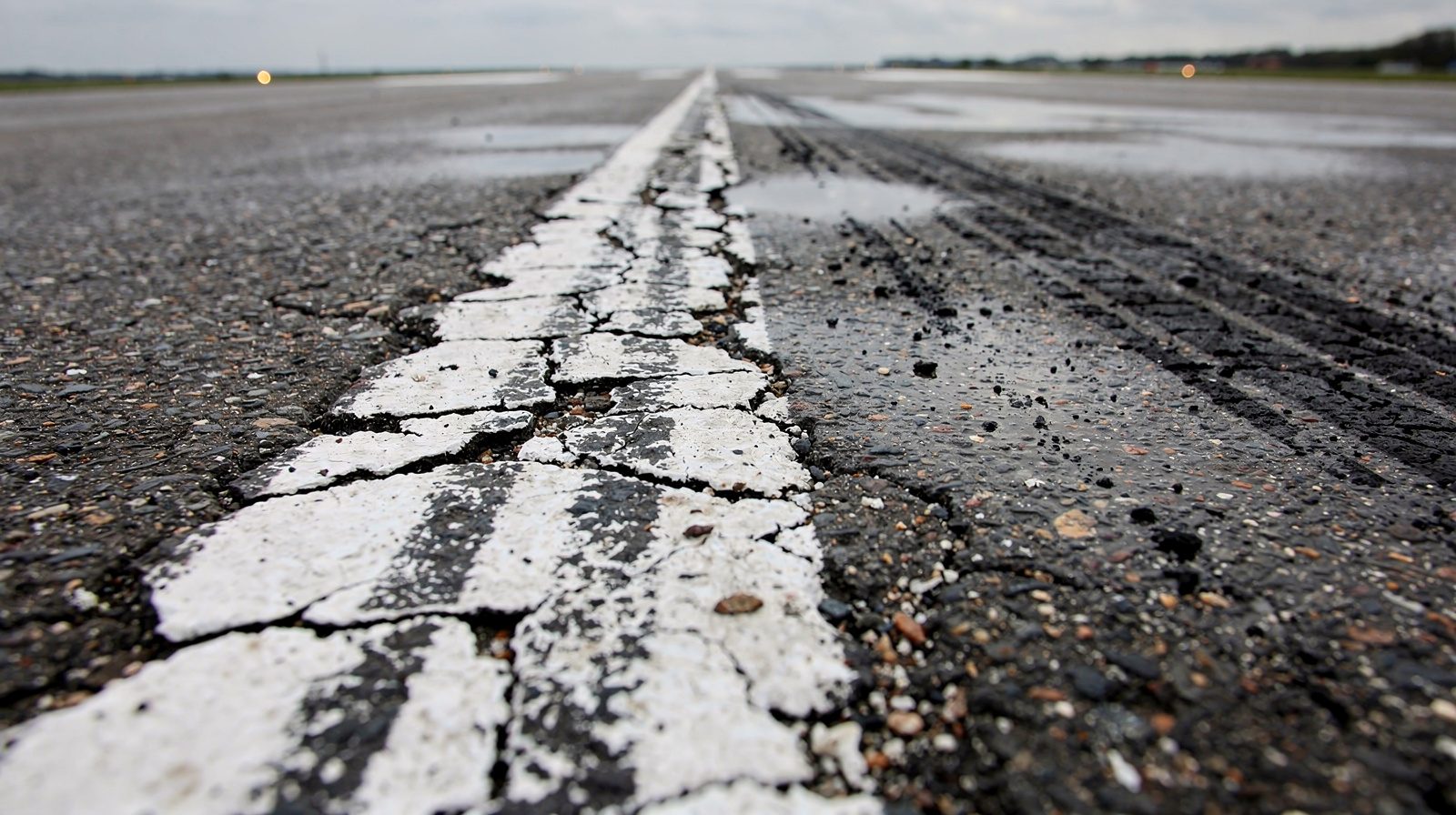
Degradation in aviation refers to the progressive or sudden reduction in the ability of a system, component, or process to perform its intended function over time. This reduction can manifest as loss of performance, reliability, or structural integrity due to mechanisms such as wear, corrosion, fatigue, thermal cycling, environmental exposure, or maintenance lapses. Degradation is a core concept in maintenance and reliability engineering, underpinning strategies like reliability-centered maintenance (RCM), condition monitoring, and predictive maintenance. Regulatory bodies such as the ICAO and EASA emphasize the importance of managing degradation to ensure continued airworthiness and operational safety.
Fundamental Concepts: Nature of Degradation in Aviation
All engineered systems, including aircraft, are subject to degradation due to operational use, environmental factors, and inherent material properties. In aviation, degradation is observed across propulsion systems, airframes, avionics, and more. While some degradation is predictable and gradual, other forms may occur abruptly due to external stressors or accumulated undetected damage.
Key regulatory and engineering perspectives:
- Regulatory baseline: Degradation is evaluated against manufacturer and regulatory performance standards.
- Operational impact: Degradation directly affects aircraft availability, safety margins, and operational costs.
- Maintenance design: Maintenance programs are structured to detect and manage degradation before it impacts safety or compliance.
Types and Mechanisms of Degradation
Degradation mechanisms in aviation can be classified by cause and manifestation:
Intrinsic (Natural) Degradation
- Definition: Predictable, gradual loss of performance due to normal operational use and aging.
- Examples: Bearing wear, fatigue cracking, material aging, sensor drift.
- Management: Scheduled maintenance, life-limited part replacement, non-destructive inspections.
Extrinsic (Accelerated) Degradation
- Definition: Performance loss accelerated by external factors or operational deviations.
- Examples: Corrosion from de-icing chemicals, damage from improper maintenance.
- Management: Root cause analysis, environmental controls, corrective actions.
Operational Degradation
- Definition: Decline in performance due to operational misuse or deferred maintenance.
- Examples: Hard landings, overloading, skipped inspections.
- Management: Data monitoring, procedural changes, retraining.
Manifestation Modes
- Gradual: Slow, steady decline (e.g., blade erosion).
- Abrupt: Sudden failure following undetected gradual processes (e.g., rapid decompression).
- Intermittent: Sporadic faults (e.g., avionics glitches).
| Type | Example | Detection | Management |
|---|---|---|---|
| Intrinsic | Fatigue cracking, bearing wear | Scheduled NDT, borescope | Interval-based replacement |
| Extrinsic | Corrosion, overheat | Corrosion mapping, ECT | Environmental controls |
| Operational | Hard landings, over-torquing | FOQA, logbook review | Procedural changes |
| Gradual | Blade erosion, battery fade | Trend monitoring | Predictive maintenance |
| Abrupt | Rapid decompression, pump seizure | Failure reporting | Emergency procedures |
| Intermittent | Avionics glitches, sensor dropouts | BITE tests, data logging | Component isolation |
Causes and Contributing Factors
Wear and Tear: Friction and material loss in moving parts (e.g., landing gear bushings, engine bearings).
Corrosion and Environmental Exposure: Operations in harsh climates accelerate corrosion on structures and systems.
Fatigue and Cyclic Loading: Repeated pressurization cycles and flight loads propagate cracks in airframes and landing gear.
Thermal and Chemical Stress: Jet engines and fuel systems are exposed to high temperatures and chemicals, leading to oxidation and material degradation.
Maintenance Practices: Incomplete or incorrect maintenance can exacerbate degradation.
Design and Manufacturing Defects: Undersized or defective components may degrade prematurely.
System Complexity: Highly integrated systems can propagate degradation through interdependent subsystems.
Identification and Monitoring
Baseline Performance: Established at commissioning and used for all future comparisons.
Routine Inspections: Scheduled maintenance checks (A, B, C, D checks) and overhauls.
Non-Destructive Testing (NDT): Ultrasonic, eddy current, radiography, and other advanced methods.
Condition Monitoring: HUMS, ACMS, and EHM systems track real-time asset health.
Predictive Analytics: Data-driven forecasting of degradation trends and remaining useful life.
Statistical Process Control (SPC): Monitors process variation for early warning.
FMEA: Ranks risk of failure modes and informs inspection intervals.
Digital Twin: Integrates sensor data and history for real-time degradation modeling.
Regulatory Reporting: Mandatory reporting ensures industry-wide management of emergent degradation risks.
Examples and Use Cases
Airframe Structures
Corrosion and fatigue in fuselage and wings are monitored via regular inspections and SHM systems.
Engine and Propulsion
Blade erosion, thermal fatigue, and particulate fouling are tracked with health monitoring. Maintenance is scheduled based on EGT trends and vibration analysis.
Avionics and Electrical Systems
Thermal cycling and vibration cause intermittent failures. BITE and data monitoring help isolate degrading components.
Landing Gear
High cycle loads result in wear and corrosion. Overhaul and trend monitoring ensure safe operation.
Fuel and Hydraulic Systems
Degradation manifests as leaks or pump performance loss, fluid analysis and pressure monitoring are key detection tools.
Degradation Management Strategies
Preventive Maintenance (PM)
Scheduled tasks to address degradation before it reaches critical levels.
Predictive Maintenance (PdM)
Uses condition monitoring and analytics to predict and prevent failures.
Reliability-Centered Maintenance (RCM)
Optimizes maintenance based on criticality and degradation mechanisms.
Corrosion Management
Risk-based inspection and barrier management for high-risk components.
Life Cycle Management
Monitors degradation from design through retirement to support sustainability.
Continuous Improvement
Feedback loops ensure maintenance strategies adapt to new findings and data.
Degradation and Sustainability
Proper degradation management extends asset life, reduces waste, and supports recycling efforts. Accurate degradation data informs safe part reclamation, life extension, and sustainable operational choices. As aviation adopts alternative fuels and new materials, understanding evolving degradation patterns remains crucial.
Key Takeaways
| Key Aspect | Summary |
|---|---|
| Definition | Reduction in system performance due to operational, environmental, or maintenance factors. |
| Types | Intrinsic, extrinsic, operational, gradual, abrupt, intermittent. |
| Causes | Wear, corrosion, fatigue, exposure, poor maintenance, design flaws, complexity. |
| Identification | Baseline, inspections, NDT, monitoring, analytics, FMEA. |
| Management | Preventive, predictive, RCM, corrosion and life cycle management. |
| Sustainability | Extends asset life, supports recycling, reduces waste and cost. |
| Examples | Fatigue cracks, corrosion, blade erosion, avionics faults, leaks. |
| Best Practices | Data-driven maintenance, advanced diagnostics, continuous improvement. |
Essential Terms: Aviation Degradation Glossary
Baseline Performance:
The original or intended level of performance established during commissioning, against which all future measurements are compared.
Corrosion:
Degradation of metals due to chemical or electrochemical reaction with their environment, leading to loss of structural integrity.
Fatigue:
Progressive, localized structural damage caused by cyclic loading, potentially resulting in cracks and failure.
Health and Usage Monitoring Systems (HUMS):
Onboard and ground-based systems that collect data to monitor aircraft health and predict degradation trends.
Non-Destructive Testing (NDT):
Inspection methods that detect internal or surface degradation without damaging the component.
Reliability-Centered Maintenance (RCM):
A maintenance strategy that focuses on maintaining asset functions and managing degradation mechanisms efficiently.
Service Bulletin (SB):
Manufacturer-issued instructions to address or mitigate known degradation issues.
Further Reading
- ICAO Doc 9760 – Airworthiness Manual
- ICAO Doc 9859 – Safety Management Manual
- EASA Part-M Continuing Airworthiness
- SAE JA1011 – Reliability-Centered Maintenance
- FAA Advisory Circulars on Maintenance Programs
Understanding and managing degradation is vital for safe, reliable, and sustainable aviation operations. Effective monitoring and maintenance practices ensure that aircraft continue to meet stringent safety and performance standards throughout their operational life.
Frequently Asked Questions
- What is degradation in the context of aviation?
- In aviation, degradation refers to the reduction in the performance, reliability, or structural integrity of aircraft systems or components over time due to factors such as wear, corrosion, fatigue, environmental exposure, or improper maintenance. This can lead to decreased safety margins, increased maintenance costs, and potential regulatory non-compliance if not managed properly.
- How is degradation monitored in aircraft?
- Degradation is monitored through a combination of scheduled inspections, non-destructive testing (NDT), real-time condition monitoring systems (such as HUMS and ACMS), predictive analytics, trend monitoring, and regulatory reporting. These methods enable early detection of performance loss, facilitating timely maintenance and repairs.
- What are the main causes of degradation in aviation?
- The main causes include mechanical wear, corrosion from environmental exposure, fatigue due to cyclic loading, thermal and chemical stress, improper maintenance practices, and design or manufacturing defects. System complexity and integration can also contribute to cascading degradation effects.
- What strategies are used to manage degradation in aviation?
- Degradation is managed through preventive and predictive maintenance, reliability-centered maintenance (RCM), corrosion management frameworks, life cycle management, and continuous improvement processes. These strategies help mitigate risks, extend asset life, and ensure regulatory compliance.
- Why is understanding degradation important for aviation sustainability?
- Effective degradation management extends the usable life of assets, reduces waste from unscheduled removals, supports recycling and parts reclamation, and optimizes resource use. This not only saves costs but also minimizes aviation’s environmental impact.
This is a reference entry. TarmacView provides drone inspection services and doesn't sell the equipment or materials described in this glossary.