What is Deterioration, Progressive Decline, and Maintenance?
Deterioration – Progressive Decline – Maintenance
Deterioration
Deterioration is the gradual decline in condition, performance, or value of infrastructure, assets, or biological systems due to a complex interplay of physical, chemical, biological, and environmental factors. In aviation, this process affects runways, taxiways, aircraft, terminals, and even personnel. It is a universal, time-dependent phenomenon, recognized in ICAO (International Civil Aviation Organization) documentation as a key risk to operational safety and asset management.
Where and How Deterioration Occurs
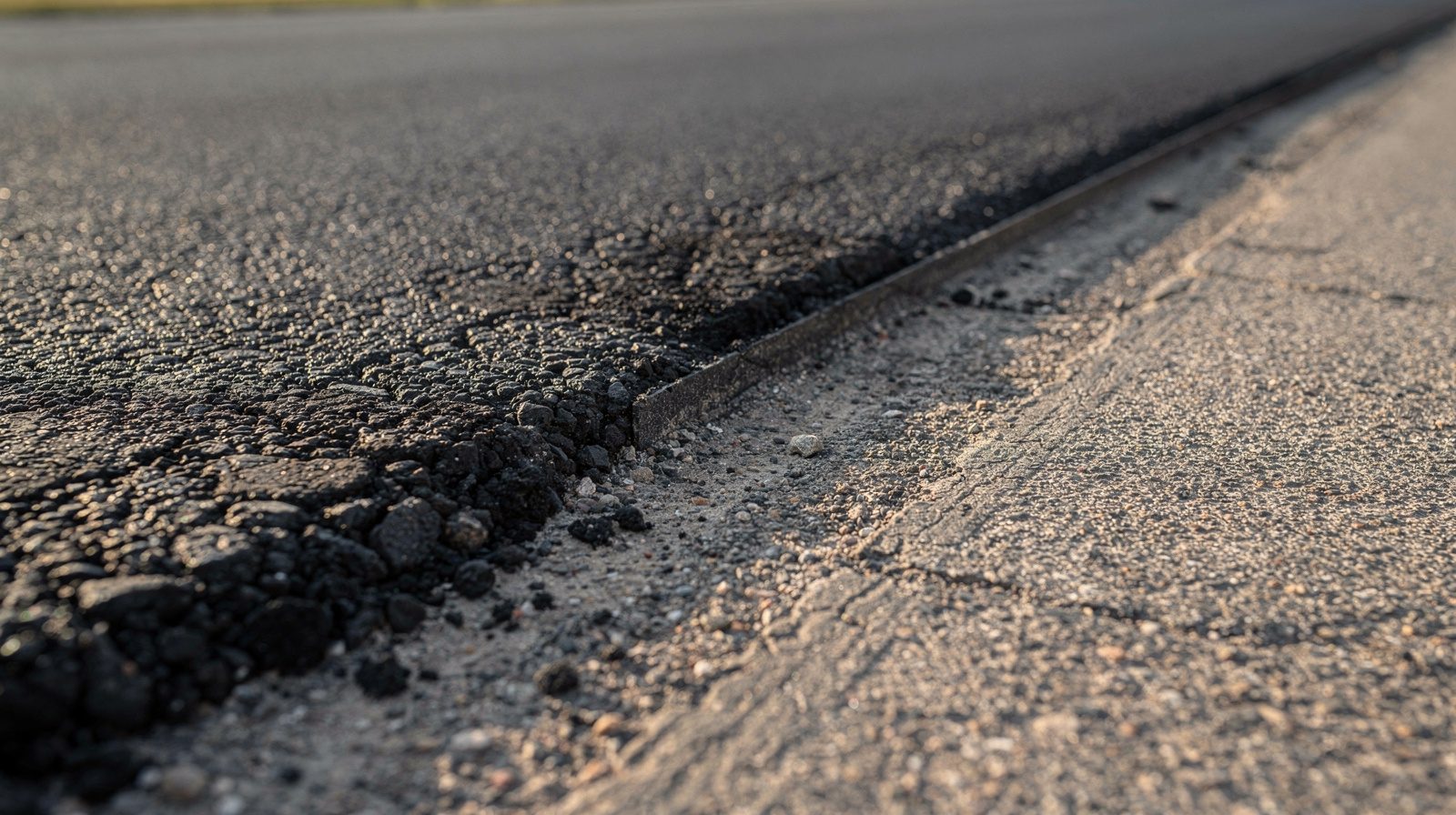
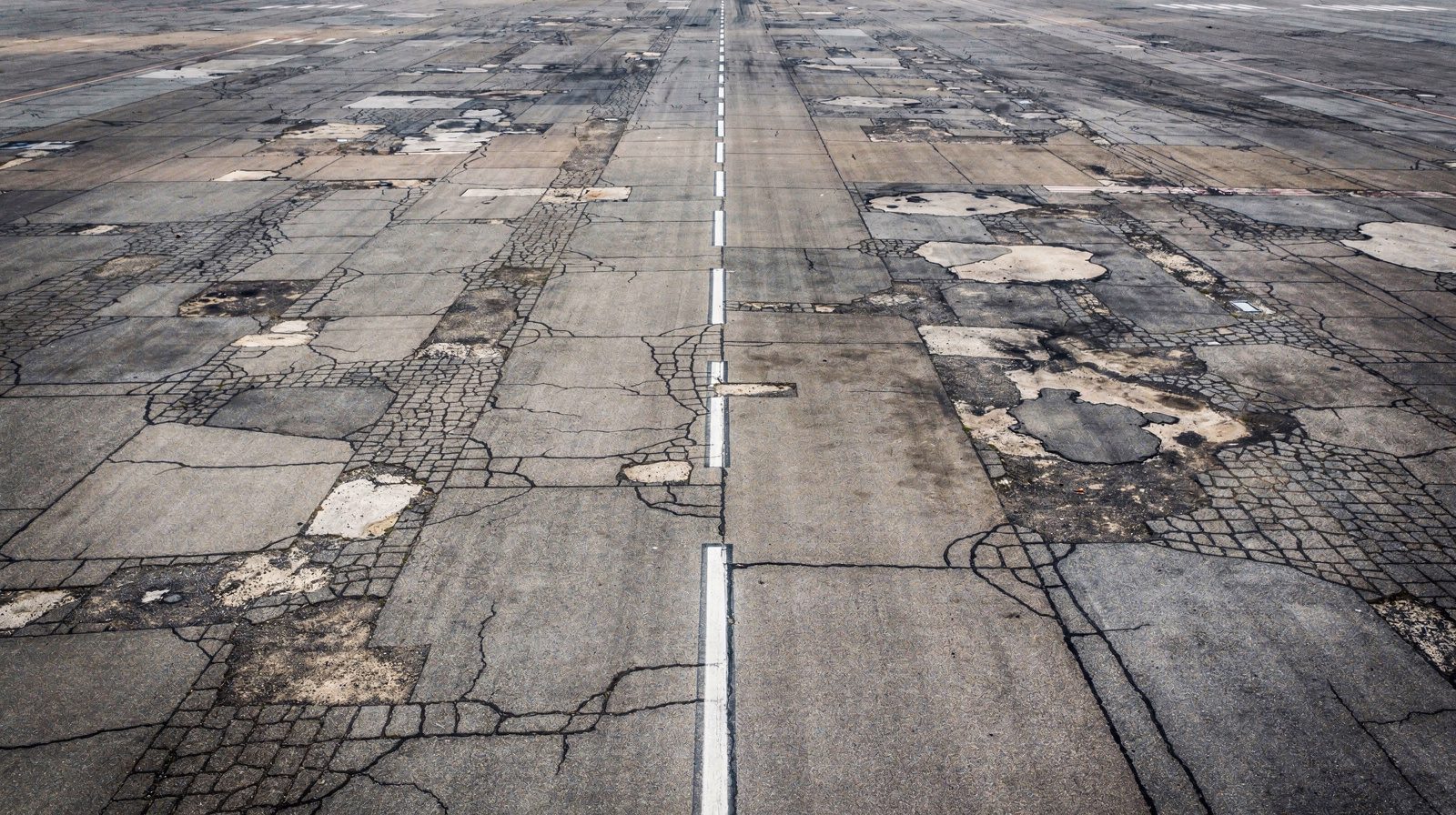
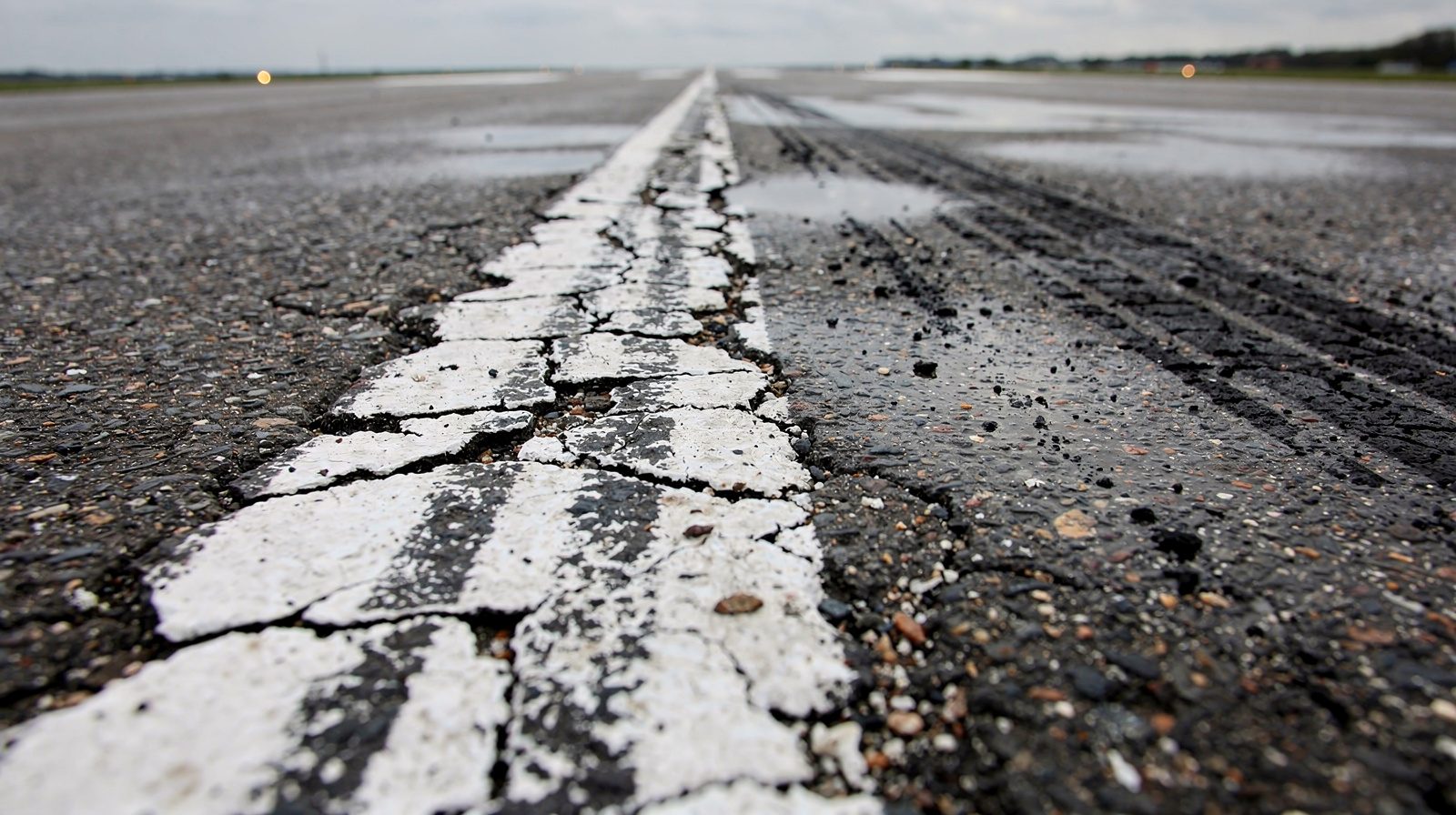
- Infrastructure: Runways exhibit raveling, cracking, and friction loss, bridges show corrosion and concrete spalling.
- Aircraft: Fatigue, corrosion, and component wear manifest over cycles of use and environmental exposure.
- Human Health: Gradual cognitive or physiological decline impacts aviation personnel’s fitness for duty.
Deterioration typically advances non-linearly, often accelerating as protective mechanisms fail or as damage accumulates. Early stages are subtle, detected only with specialized inspection or sensor technology, while advanced stages become visible and demand urgent intervention.
ICAO’s Role
ICAO Annex 14 requires routine inspections and timely maintenance for aerodrome infrastructure, acknowledging that unchecked deterioration can compromise runway friction, pavement texture, and load-bearing capacity. The progression of deterioration is influenced by usage intensity, environmental exposure, design, materials, and maintenance effectiveness.
Progressive Decline
Progressive decline describes the stepwise intensification of deterioration within a system, characterized by stages that present identifiable symptoms, risks, and opportunities for intervention. This sequential process is fundamental to asset management, enabling prediction and scheduling of maintenance before catastrophic failure.
Stages of Progressive Decline
- Initiation: Microcracking, chemical alteration, or initial corrosion, imperceptible without advanced detection.
- Propagation: Damage spreads, cracks widen, corrosion deepens, surface wear becomes visible.
- Criticality: Performance is significantly compromised, increasing the risk of failure and necessitating urgent action.
- Failure: The asset can no longer serve its function (e.g., runway closure, aircraft grounding).
Predictive models (including Markov chains and reliability engineering) use these stages to estimate the likelihood of progression, guiding resource allocation and maintenance timing.
Maintenance
Maintenance comprises all technical and administrative actions intended to slow, stop, or reverse the process of deterioration. It is essential for ensuring safety, extending asset life, and optimizing costs.
Types of Maintenance
| Maintenance Type | Description | Typical Use Cases |
|---|---|---|
| Preventive Maintenance | Scheduled actions (inspections, treatments) to prevent deterioration | Crack sealing, routine aircraft checks |
| Predictive Maintenance | Actions triggered by real-time condition monitoring or modeling | Friction-based runway care |
| Corrective Maintenance | Repairs after defects or failures are observed | Patching, component replacement |
| Deferred Maintenance | Postponement of planned actions due to constraints | Delayed overlay or repair |
ICAO recommends integrated asset management systems (AMS) that combine inspection data, deterioration modeling, and risk assessment for efficient maintenance planning.
Causes and Risk Factors of Deterioration
- Environmental: Temperature extremes, freeze-thaw cycles, precipitation, UV, and de-icing chemicals accelerate material breakdown.
- Material/Construction: Poor-quality materials or workmanship reduce durability.
- Structural/Usage: Heavy, repetitive loads and complex designs concentrate stress and damage.
- Behavioral/Socio-Economic: Deferred maintenance, funding limitations, or operational decisions can hasten decline.
- Biological/Chemical: Corrosion, moss, and fungi attack materials.
- Aging/Time: All systems decline naturally over time, necessitating periodic rehabilitation.
Types and Manifestations of Deterioration
- Runways/Taxiways: Raveling, rutting, cracking, spalling, and friction loss, raising risks of hydroplaning and FOD (Foreign Object Debris).
- Aircraft: Airframe fatigue, corrosion, landing gear wear, requiring nondestructive testing and scheduled overhaul.
- Personnel: Gradual loss of medical or cognitive fitness, monitored through regular exams as per ICAO Annex 1.
- Other Infrastructure: Bridges, terminals, and roads exhibit similar patterns of observable decline.
Stages or Progression of Deterioration
- Early Stage: Microcracks or minor corrosion, detectable by sensors or laboratory analysis.
- Intermediate: Visible distress, cracks, rutting, surface texture loss.
- Advanced: Structural compromise, requiring immediate repair.
- Critical/End-Stage: Imminent or realized failure, necessitating closure, replacement, or retirement.
ICAO recommends a condition rating system (e.g., Pavement Condition Index, PCI) with intervention thresholds for each stage.
Detection, Modeling, and Diagnosis
- Inspection & Data Collection: Regular, instrumented inspections are mandated by ICAO. Runway friction is measured with CFME, aircraft use NDT methods.
- Condition Indices: PCI and IRI (International Roughness Index) quantify deterioration for prioritization and resource allocation.
- Modeling Approaches: Empirical, mechanistic-empirical, Markov, and machine learning models predict progression and optimize maintenance timing.
- Health Diagnosis: Periodic medical, cognitive, and lab tests detect early health decline in aviation personnel.
Maintenance and Intervention Strategies
- Reactive (“Run-to-Failure”): Repairs only after breakdown, costly and risky.
- Preventive: Scheduled interventions based on age or use, favored for runways and aircraft.
- Predictive/Condition-Based: Data-driven, triggered by condition thresholds, maximizes efficiency.
- Rehabilitation/Replacement: Major interventions at end-of-life.
- Strategic Planning: Integrated AMS platforms support data-driven, regulatory-compliant decision-making.
Consequences of Inaction
- Accelerated Decline: Neglected defects worsen rapidly, increasing the risk of catastrophic failure.
- Increased Costs: Emergency repairs and unscheduled replacements are costlier than planned maintenance.
- Safety Risks: Deterioration elevates accident risk and regulatory liability.
- Reduced Serviceability: Unreliable assets disrupt operations and capacity.
- Irreversible Damage: Advanced deterioration may require total replacement.
Examples and Use Cases
- Runway Management: Continuous friction and surface scanning, PCI analysis, predictive maintenance, ensuring ICAO compliance.
- Aircraft Health Monitoring: Real-time sensors inform condition-based maintenance, reducing downtime and risk.
- Bridge Modeling: Strain gauges and predictive models prioritize interventions by risk and usage.
- Personnel Health Surveillance: Regular exams detect and address declining fitness for flight duties.
Comparative Table: Deterioration Modeling Approaches
| Model Type | Aviation Domain | Data Requirements | Advantages | Limitations |
|---|---|---|---|---|
| Empirical | Runways, Taxiways | Historical inspection | Simple, low-cost | Limited causality |
| Mechanistic-Empirical | Pavements, Structures | Material, load, climate | Explains physical processes | Data-intensive |
| Markov/Stochastic | All asset types | Condition transitions | Risk-based, probabilistic | Requires validation |
| Machine Learning | Aircraft, Infrastructure | Large, diverse datasets | Adaptive, high accuracy | Data quality dependent |
| Medical Diagnosis | Personnel Health | Clinical, biometric | Multi-factorial | Interpretation bias |
Visual Summary
The diagram above (or image as relevant) illustrates the progression from optimal condition through minor, moderate, and severe deterioration to failure, with maintenance interventions at each stage.
ICAO Regulatory Guidance
- Annex 14, Volume I: Sets requirements for pavement maintenance, friction measurement, and surface condition monitoring.
- Doc 9981: Offers practical guidance on inspection intervals, repair techniques, and asset management strategies.
- Other Standards: Emphasize proactive, data-driven maintenance as essential for safety and compliance.
Summary
Deterioration, progressive decline, and maintenance are central to aviation asset management and safety. Understanding causes and progression enables effective detection, diagnosis, and intervention. Modern, data-driven maintenance, guided by ICAO standards, optimizes costs, extends asset life, and safeguards operations. Timely action preserves not only assets, but also passenger and crew safety, regulatory compliance, and operational continuity.
Glossary Terms Related to Deterioration
| Term | Definition |
|---|---|
| Deterioration | Gradual decline in condition or performance due to internal or external factors. |
| Progressive Decline | Stepwise process by which deterioration manifests and intensifies. |
| Maintenance | Actions taken to slow, halt, or reverse deterioration. |
| Preventive Maintenance | Scheduled interventions designed to prevent or delay deterioration. |
| Predictive Maintenance | Maintenance triggered by condition monitoring or predictive modeling. |
| Corrective Maintenance | Repairs performed after defects or failures are detected. |
| Pavement Condition Index (PCI) | Quantitative score representing pavement condition based on standardized inspection criteria. |
| Friction Measurement | Assessment of runway or taxiway surface texture and grip, critical for safe aircraft operations. |
| Fatigue | Material weakening due to repeated loading cycles. |
Frequently Asked Questions
- What is deterioration in aviation?
- Deterioration refers to the gradual reduction in condition, performance, or value of aviation assets (such as runways, aircraft, or terminals) due to physical, chemical, biological, or environmental influences. It is a time-dependent process that, if unmanaged, can compromise safety and operational reliability.
- How does progressive decline differ from sudden failure?
- Progressive decline occurs in identifiable stages, initiation, propagation, criticality, and failure, allowing for early detection and intervention. Sudden failure, by contrast, is abrupt and often unpredictable. Monitoring progressive decline enables predictive maintenance and reduces the likelihood of catastrophic events.
- What are the main types of maintenance in aviation?
- Maintenance includes preventive (scheduled actions to prevent deterioration), predictive (condition-based actions), corrective (repairs after defects are found), and deferred (postponed planned maintenance). Each approach has unique costs, benefits, and risk profiles.
- Why is regular inspection important for managing deterioration?
- Routine inspection allows early detection of defects, supports predictive modeling, and informs maintenance planning. It is mandated by ICAO and other regulators to ensure airfield and aircraft safety, minimize risks, and optimize resource allocation.
- How does ICAO guide maintenance and deterioration management?
- ICAO Annex 14 and Doc 9981 provide standards and recommended practices for inspection frequency, maintenance interventions, friction measurement, and asset management, emphasizing proactive, data-driven approaches to sustain aviation safety and efficiency.
This is a reference entry. TarmacView provides drone inspection services and doesn't sell the equipment or materials described in this glossary.