What is a concrete runway?
Concrete Runway: Runway with Concrete Pavement – Airport Infrastructure
Comprehensive Definition and Key Attributes
A concrete runway is a robust, engineered pavement system constructed primarily from Portland cement concrete (PCC), designed to serve as the main operational surface for aircraft takeoff and landing at airports. Unlike flexible (asphalt) runways, concrete runways offer a rigid, unyielding platform capable of withstanding the immense mechanical stresses and environmental conditions inherent to modern aviation.
Concrete runways are distinguished by their:
- Exceptional structural strength and rigidity, enabling them to support repeated heavy loads from large commercial and military aircraft such as the Airbus A380 and Boeing 777.
- Long service life (often 30–40+ years), thanks to advanced material formulations and meticulous construction practices.
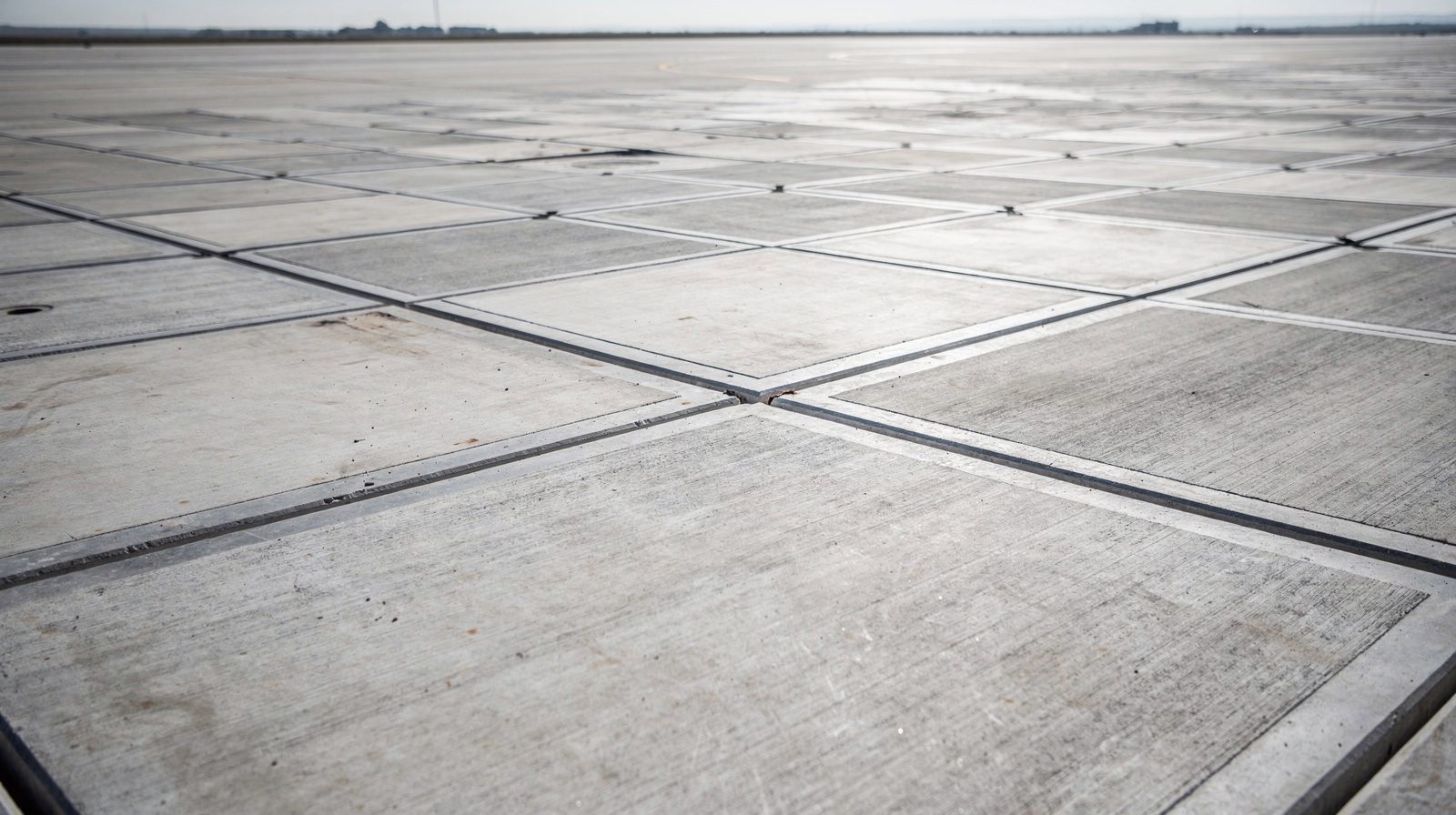
- Precision design and construction, incorporating joint systems to manage thermal movement, prevent random cracking, and facilitate maintenance.
- Enhanced surface characteristics, including grooved or textured finishes for optimal friction and drainage, ensuring safety in all weather conditions.
Purpose and Role in Airport Infrastructure
Concrete runways are the backbone of airport operations, providing a reliable, high-performance surface for the full spectrum of aircraft movements, from takeoff and landing to taxiing and holding. Their design philosophy centers on safety, reliability, and the ability to accommodate a wide array of aircraft types and operational scenarios.
Key roles include:
- Supporting diverse aircraft loads: From light general aviation planes to the heaviest long-haul jets and military transports.
- Integrating with the airport pavement system: Working in tandem with taxiways, aprons, and parking stands for seamless aircraft movement.
- Withstanding harsh climates and operational stresses: Providing resilience against freeze-thaw cycles, chemical exposure, and surface wear.
Technical Characteristics
Concrete runways are defined by stringent engineering parameters to ensure their durability and performance:
- Slab Thickness: Typically 300–450mm (12–18 inches) for major airports, tailored to expected aircraft weights and traffic volume.
- Compressive Strength: Commonly 31–45 MPa (4,500–6,500 psi), with higher values for critical applications.
- Flexural Strength: Usually 4.1–4.5 MPa (600–650 psi), critical for resisting bending stresses.
- Jointing Systems: Include contraction, isolation, and construction joints, with dowels and tiebars to transfer loads and control slab movement.
- Subgrade and Subbase: Prepared and stabilized to provide uniform support and prevent pumping or settlement.
- Surface Texture: Grooved or tined to ensure adequate friction and water drainage.
Material Specification in Construction
Materials are selected and tested to maximize performance:
- Portland Cement Concrete (PCC): The primary material, mixed with high-quality aggregates, water, and selected admixtures.
- Supplementary Cementitious Materials (SCMs): Such as fly ash, slag, or silica fume, used to improve durability, reduce permeability, and mitigate chemical reactions.
- Admixtures: Air-entraining agents, water reducers, and set modifiers enhance workability, durability, and curing.
- Fiber Reinforcement: Sometimes added to control cracking and extend pavement life.
All materials undergo rigorous quality control per FAA, ICAO, and ASTM standards.
Design and Construction Process
The process for building a concrete runway is highly regulated and methodical:
- Pavement Design: Based on projected aircraft loads, frequency, subgrade conditions, and climate.
- Subgrade Preparation: Removal of unsuitable materials, compaction, and sometimes stabilization.
- Base Course Installation: Cement-treated or granular bases provide stability and load distribution.
- Concrete Placement: Slipform paving machines ensure consistent thickness and surface finish, joints, dowels, and tiebars are precisely located.
- Curing and Surface Finishing: Applied to prevent moisture loss and achieve the desired texture.
- Quality Assurance: Includes testing for strength, thickness, smoothness, and material compliance.
Performance Requirements
Concrete runways are held to strict standards:
- Structural Capacity: Must accommodate repeated heavy wheel loads without failure.
- Surface Friction and Smoothness: Ensured through texturing and maintenance, critical for safe aircraft operations.
- Durability: Resistance to freeze-thaw, chemicals, and abrasion, achieved through proper mix design and material selection.
- Drainage: Engineered surface profiles to prevent water accumulation and reduce hydroplaning risk.
Maintenance and Repair
- Preventive Maintenance: Joint resealing and regular cleaning (especially rubber removal) to maintain skid resistance and prevent water entry.
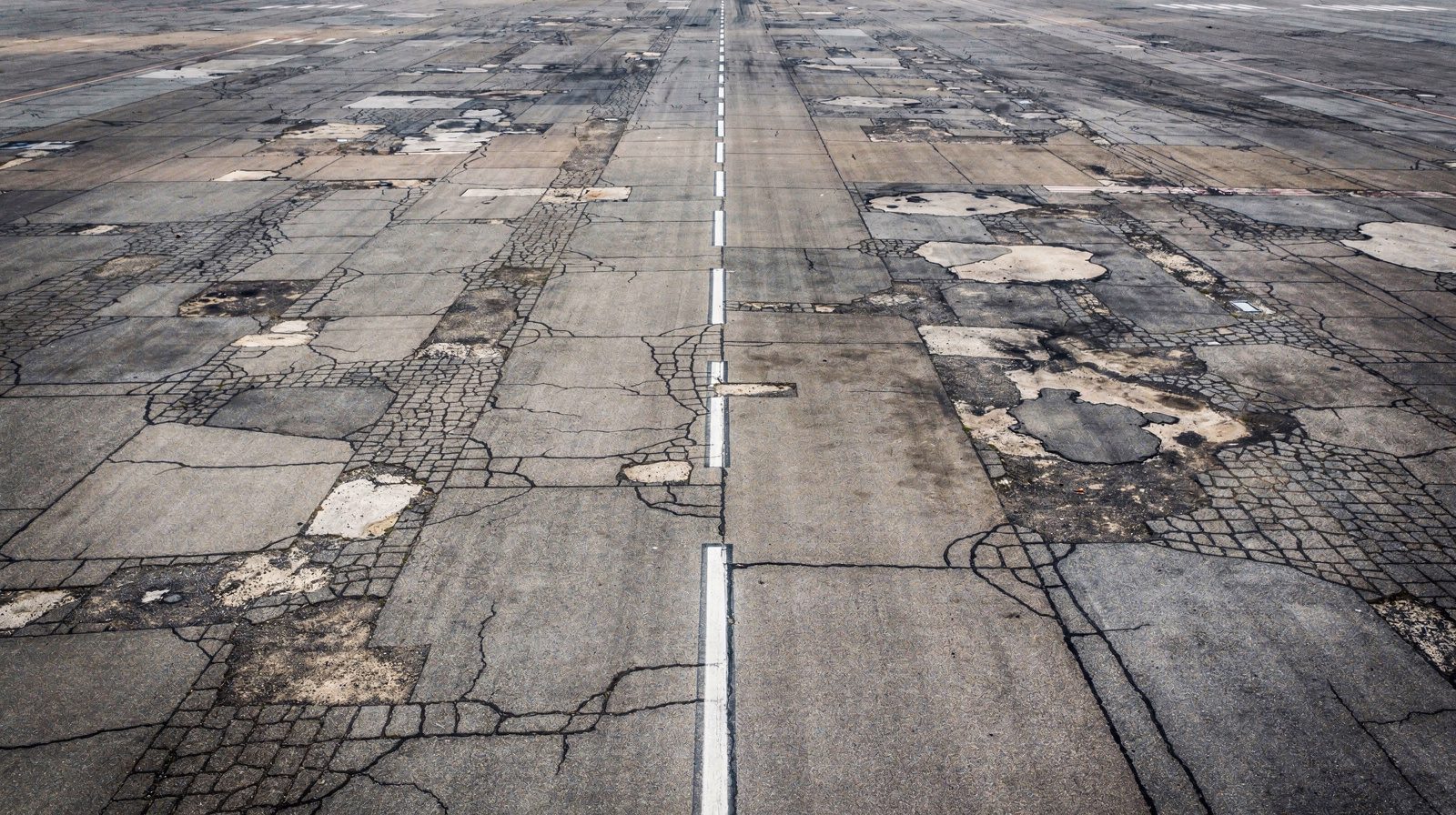
- Minor Repairs: Crack sealing and spall patching to address localized damage.
- Major Rehabilitation: Full-depth slab replacement or concrete overlays to restore structural capacity and surface integrity.
- Rapid Repair Techniques: Fast-setting concretes or precast panels minimize downtime at busy airports.
Proactive maintenance extends runway service life and enhances operational safety.
Advantages of Concrete Runways
- Superior Load-Bearing Capacity: Ideal for heavy and frequent aircraft movements.
- Long Lifespan: Lower lifecycle costs despite higher initial investment.
- Operational Reliability: Less downtime due to infrequent major repairs.
- Environmental Benefits: High recyclability and local material sourcing potential.
- Safety Enhancements: Consistent friction and high reflectance for improved visibility.
Applications and Use Cases
- International and Major Airports: Primary operational surfaces for the busiest passenger and cargo hubs worldwide.
- Military Airfields: Support for heavy cargo planes, rapid deployment, and resilient military operations.
- Regional/General Aviation Airports: Cost-effective solutions for demanding environments.
- Upgrading Existing Runways: Overlays and replacements for aging or insufficient asphalt runways.
Innovations in Concrete Runway Technology
Modern concrete runway design and construction benefit from ongoing innovations, including:
- High-Performance Concrete Mixes: Enhanced with SCMs and fibers for greater strength and durability.
- Advanced Joint Systems: Improved load transfer and reduced maintenance needs.
- Rapid Construction and Repair Techniques: Use of fast-setting materials and precast elements for minimal operational disruption.
- Sustainable Practices: Increased use of recycled materials and optimization of mix designs to lower carbon footprint.
Conclusion
A concrete runway is a cornerstone of airport infrastructure, combining advanced engineering, material science, and construction expertise to deliver a surface capable of meeting the rigorous demands of global aviation. Its superior structural characteristics, longevity, and safety features make it the standard for major airports and military airfields worldwide.
For more information on concrete runway design, construction, and maintenance, or to explore how your airport can benefit from advanced pavement solutions, contact our team or learn more about airport infrastructure .
Frequently Asked Questions
- What is the difference between a concrete and an asphalt runway?
- Concrete runways use rigid Portland cement concrete slabs, providing greater durability and structural capacity compared to asphalt, which is flexible and more prone to deformation under heavy loads. Concrete runways generally have a longer service life, require less frequent major repairs, and are better suited for accommodating large commercial and military aircraft.
- Why are concrete runways preferred at major airports?
- Major airports handle higher traffic volumes and heavier aircraft, demanding runways with superior load-bearing capacity and durability. Concrete runways meet these requirements, offering longer lifespans, lower long-term maintenance costs, and better resistance to environmental factors like fuel spills, deicing chemicals, and extreme weather.
- How thick is a typical concrete runway?
- For major commercial airports, concrete runways commonly have slab thicknesses ranging from 300mm to over 450mm (12–18 inches). The exact thickness depends on factors such as aircraft types, traffic frequency, subgrade conditions, and climate.
- How is surface friction maintained on concrete runways?
- Surface friction is ensured through texturing techniques like grooving or tining during construction, as well as ongoing maintenance such as rubber removal. These measures optimize tire grip for aircraft, especially in wet conditions, reducing the risk of hydroplaning and enhancing safety.
- What maintenance is required for concrete runways?
- Routine maintenance includes joint resealing, surface cleaning (particularly rubber removal), minor spall and crack repairs, and periodic inspections. Major rehabilitation may involve full-depth slab replacement or concrete overlays. Proactive maintenance extends the service life and ensures safe operation.
This is a reference entry. TarmacView provides drone inspection services and doesn't sell the equipment or materials described in this glossary.