What is a Contaminant in Aviation?
Contaminant (Unwanted Substance): Aviation Glossary
What is a Contaminant in Aviation?
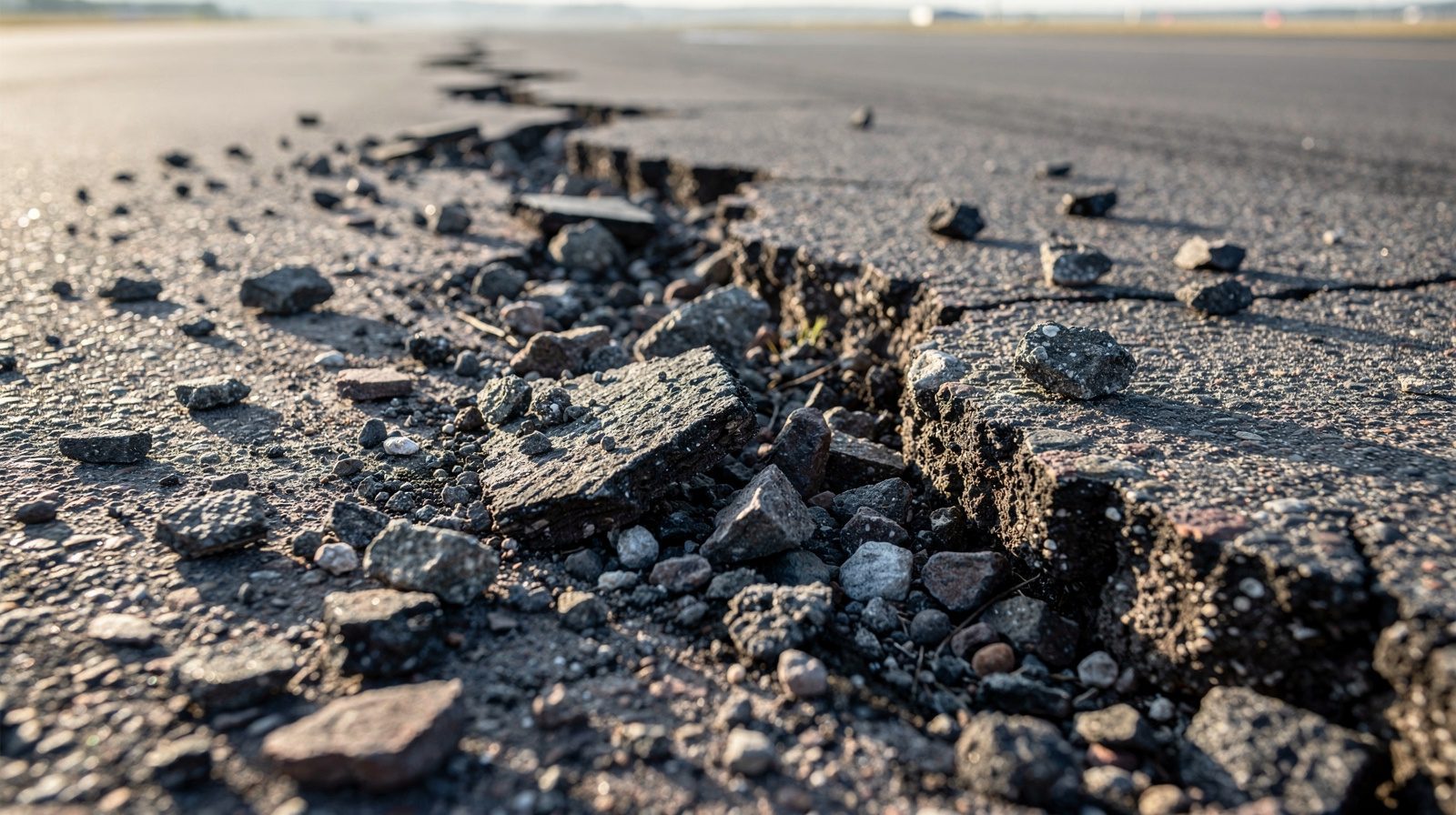
A contaminant in aviation is any unwanted substance, physical, chemical, biological, or radiological, present on aircraft surfaces, within fuel or air systems, or on aerodrome pavements, that can compromise safety, performance, or environmental quality. According to the International Civil Aviation Organization (ICAO), contaminants particularly affect runway surfaces, including snow, slush, ice, standing water, mud, dust, sand, oil, or rubber, all of which can impair operations. Unlike the more general definitions of contaminants, aviation focuses on substances that reduce friction, degrade air quality or fuel, impair visibility, or interfere with aircraft and airport operations.
Contaminants affect various aviation environments, on runways (altering braking and steering), in fuel (risking engine failure), within cabin air (affecting health), and during maintenance (risking material damage or failures). Assessment, reporting, and management of contaminants are critical, governed by ICAO, FAA, and other authorities. Their presence is a direct threat to the safety margins that ensure the reliability of modern air transport.
Types of Contaminants in Aviation
Aviation contaminants are categorized by their physical nature, chemistry, and operational impact:
Physical Contaminants
Physical contaminants are tangible materials that impact mechanical interaction and safety:
- Standing Water and Flooding: Water deeper than 3 mm increases hydroplaning risk and can cause loss of control.
- Snow and Ice: Dry, wet, or compacted snow, as well as frost and ice, reduce braking and can be hazardous during takeoff and landing.
- Slush and Mud: Lower friction, risk engine ingestion, and block drainage.
- Sand and Dust: Reduce visibility, abrade aircraft, and can damage engines.
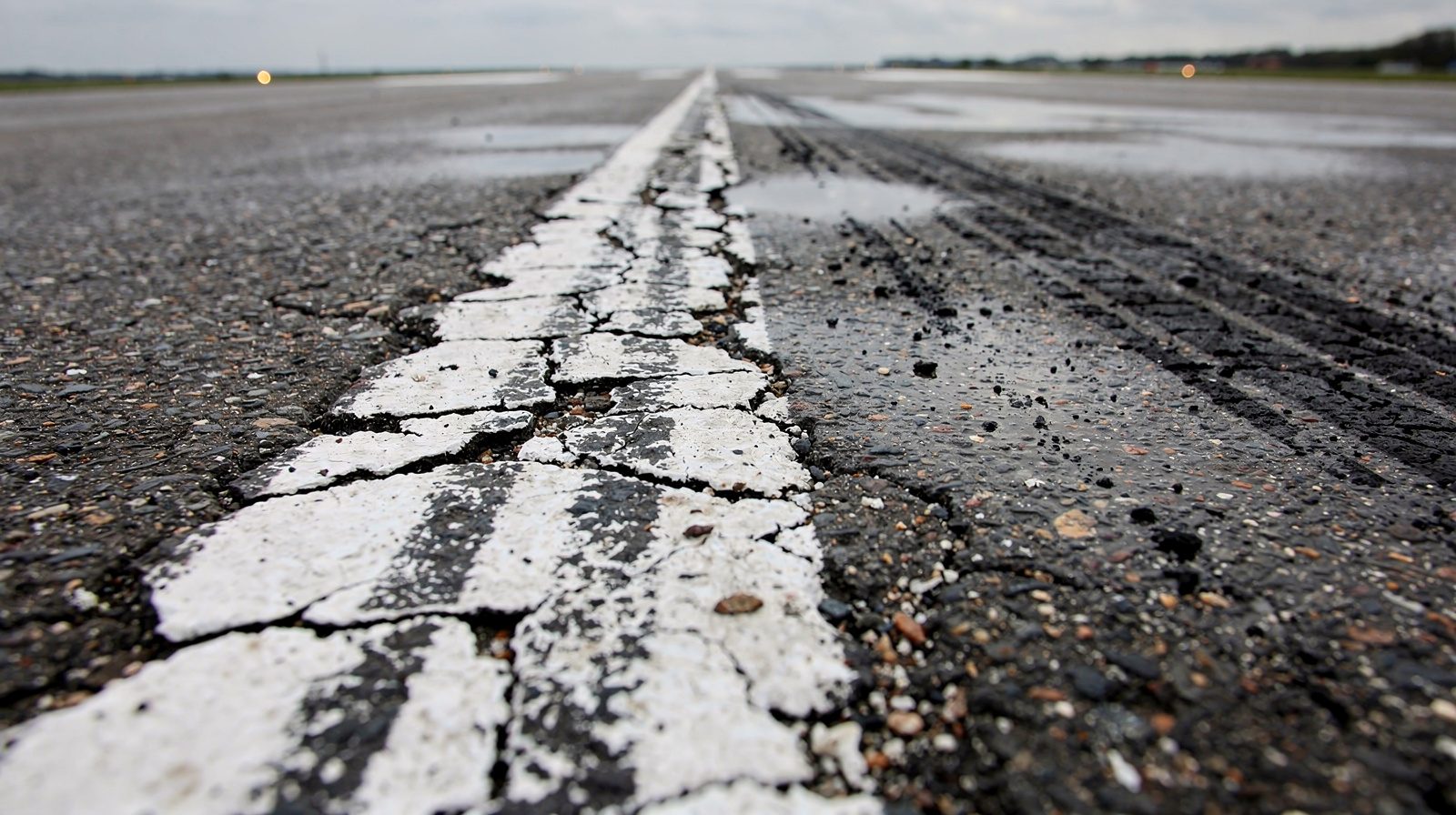
- Rubber Deposits: Build up on runways, decreasing friction.
- Foreign Object Debris (FOD): Stones, hardware, or litter that can damage engines or tires.
ICAO and FAA require regular monitoring and reporting, with the standardization of Runway Condition Codes (RCC) to link contaminants to aircraft performance.
Chemical Contaminants
Chemical contaminants are substances that corrode materials, degrade fuel or air, or create chemical hazards:
- De-icing/Anti-icing Fluids: Glycol-based agents can leave slippery or polluting residues.
- Fuel Contamination: Water, microbes, or other hydrocarbons can cause engine failure.
- Cleaning Agents and Lubricants: Residual chemicals may corrode or damage systems.
- Hydraulic and Brake Fluids: Spills reduce runway friction and can degrade surfaces.
- Atmospheric Pollutants: Ozone, VOCs, and carbon monoxide may enter cabin air.
- Fire Suppressants: Halons and other agents can leave persistent residues.
Strict regulations limit allowable chemical contaminant levels, particularly in fuel and air systems.
Biological Contaminants
Biological contaminants involve living organisms or their byproducts:
- Microbial Growth in Fuel: Bacteria/fungi at fuel-water interfaces block filters and corrode tanks.
- Mold and Bacteria in Cabin Air: Poorly maintained systems can harbor pathogens.
- Bird/Insect Residue: Attracts wildlife, increases bird strike risk, and biofouling.
- Pest Infestation in Cargo: Affects cargo and aircraft environment.
Rigorous cleaning, detection, and disinfection protocols help manage biological contamination.
Radiological Contaminants
These are rare in civil aviation, but possible from:
- Radioactive Cargo Spills: During handling or transport.
- Contaminated Equipment: From legacy instruments.
- Environmental Fallout: Extremely rare, but historically relevant.
Strict protocols govern the transport and handling of radioactive materials.
Chemical Contaminants: Organic vs. Inorganic
Organic Chemical Contaminants
Organic contaminants are carbon-based, often from operational chemicals:
- Hydrocarbons: From fuel, oil, or soot accumulation in engines and systems.
- Glycol/Alcohols: From de-icing, often affect drainage and water quality.
- VOCs: Emitted from cabin materials and maintenance chemicals.
- Plasticizers/Flame Retardants: Off-gas from cabin interiors.
Concerns include pharmaceuticals and personal care products in aircraft wastewater.
Inorganic Chemical Contaminants
Inorganic contaminants include minerals, metals, and salts:
- Water: As both a physical and chemical contaminant in fuel.
- Salts/Corrosive Ions: From de-icing or the atmosphere, accelerating corrosion.
- Metals: Lead (from avgas), iron, and others from wear or impurities.
- Nitrogen/Sulfur Oxides: Engine byproducts accumulating in air or on surfaces.
Differentiating organic and inorganic contaminants is essential for selecting monitoring and remediation strategies.
Sources and Examples of Chemical Contamination
Sources
- Aircraft Operations: Engine exhaust, hydraulic leaks, de-icing runoff.
- Ground Handling: Fuel, lubricant, and cleaning agent spills.
- Environmental Deposition: Air pollution uptake, especially at urban airports.
- Fuel Supply Chain: Introduction of water, microbes, or particulates during storage or refueling.
- Maintenance: Use of solvents, adhesives, and corrosion inhibitors.
Airports and airlines must have robust contaminant management and reporting systems.
Examples and Aviation Impact
| Chemical Contaminant | Context | Impact |
|---|---|---|
| Water in Jet A-1 Fuel | Fuel tanks, pipelines | Engine flameout, corrosion, filter blockage |
| De-icing Fluid (Glycol) | Runways, aircraft surfaces | Reduced friction, environmental hazard |
| Hydraulic Fluid | Landing gear, brakes | Surface slipperiness, fire risk |
| Ozone | Cabin air | Health symptoms, material degradation |
| Carbon Monoxide | Cockpit/cabin air | Acute poisoning, impaired pilot performance |
| Sodium Chloride (Salt) | Runways (winter ops) | Corrosion, surface damage |
| Lead | Piston engine fuel | Environmental/health hazard |
| VOCs | Cabin, maintenance | Air quality, occupational exposure |
Unchecked contaminants can threaten aircraft safety, airport operations, and environmental compliance.
Use Cases
- Runway Surface: De-icing fluid runoff requires friction measurement and reporting.
- Cabin Air Quality: Fume events from oil or hydraulic leaks demand emergency procedures.
- Fuel System: Microbial or water contamination risks engine flameout, requires regular checks.
- Maintenance Residues: Faulty cleaning can cause system failures.
- Environmental Compliance: Airports monitor for pollutants to comply with ICAO/local standards.
Health and Environmental Impacts
Health Effects
- Cabin Air Contaminants: Ozone, VOCs, and carbon monoxide can cause headaches, respiratory problems, or impaired cognitive function.
- Chemical Exposure: Maintenance personnel risk burns or respiratory issues from chemicals.
- Bioaerosols: Spread of respiratory or gastrointestinal illness in cabins.
Environmental control systems, filtration, and monitoring help manage risk, but incidents still occur.
Environmental Effects
- Runoff Pollution: De-icing and fuel spills pollute water systems and harm aquatic life.
- Air Quality Degradation: Engine and ground equipment emissions worsen local/regional pollution.
- Soil Contamination: Heavy metals and hydrocarbons may accumulate, requiring remediation.
Airports implement environmental management systems and pollution prevention protocols.
Standards and Risk Assessment
- Runway Condition Codes (RCC): Standardize reporting of surface contaminants for aircraft performance.
- Cabin Air Quality: Limits set for ozone, CO, particulates, and VOCs, with incident protocols.
- Fuel Quality: Jet fuel standards (e.g., ASTM D1655) define max contaminant content.
Risk assessment weighs likelihood and severity, with mitigation via design, procedures, and maintenance.
Uses of the Term “Contaminant” in Aviation
Regulatory Context
- ICAO Annex 14 and FAA/EASA rules define contaminants for runway and air quality reporting.
- Environmental regulations set limits for emissions and discharges.
Technical Context
- In maintenance, a contaminant is anything not intended in a system, causing corrosion, blockages, or failures.
- In fuel management, contaminants like water and particulates are stringently controlled.
- In air quality, contaminants are measured and filtered for health and safety.
Operational Context
- Airlines and maintenance organizations track contaminants as part of Safety Management Systems (SMS).
- Airports monitor runoff and emissions for compliance.
- Flight crews are trained to recognize and respond to contaminant effects.
Example Scenarios
- Runway Reporting: After snow, airports report type and depth of contamination for pilot calculations.
- Fuel Control: Crews sample and test jet fuel before refueling.
- Cabin Fume Events: Crews follow protocols for odors or symptoms, reporting and managing suspected contamination.
Key Takeaways
A contaminant in aviation is any unwanted substance, physical, chemical, biological, or radiological, present in aircraft systems or airport infrastructure that threatens safety, performance, or environmental quality. Types include physical (e.g., water, snow, rubber), chemical (e.g., de-icing fluids, VOCs), biological (e.g., microbes), and radiological substances. Their management is embedded in regulations, operations, and maintenance, with robust monitoring and mitigation strategies. Understanding and controlling contaminants is essential for safe, efficient, and environmentally responsible aviation.
References and Further Reading
- ICAO: Reporting of Runway Surface Conditions (PDF)
- IVAO: Contaminants Documentation
- FAA: Aircraft Cabin Bleed Air Contaminants (PDF)
- NCBI: Chemical Contaminants and Their Sources in Aviation
- ICAO: Guidance on Airport Air Quality
- Skybrary: Fuel Contamination in Aviation
- Skybrary: Runway Condition Codes
This article provides an in-depth reference on contaminants in aviation for professionals, students, and enthusiasts.
Frequently Asked Questions
- What types of contaminants are found in aviation?
- Aviation contaminants are categorized as physical (e.g., snow, water, rubber), chemical (e.g., de-icing fluids, fuel impurities), biological (e.g., microbes, mold), and radiological (rare, e.g., accidental radioactive spills). Each type affects specific parts of the aircraft or airport and requires distinct mitigation strategies.
- Why is contaminant management important in aviation?
- Contaminant management is crucial to maintain aircraft performance, ensure runway safety, prevent engine failure, and protect passenger and crew health. Regulatory bodies like ICAO and FAA have strict standards for monitoring, reporting, and mitigating contaminants.
- How are chemical contaminants in aviation controlled?
- Chemical contaminants are controlled by regular sampling and testing of fuel, strict maintenance protocols, environmental monitoring, and the use of approved de-icing and cleaning agents. Standards such as ASTM D1655 for jet fuel and ICAO environmental guidelines are followed.
- What are some examples of chemical contaminants and their effects?
- Examples include water in jet fuel (causing engine flameout), glycol-based de-icing fluids (runway slipperiness), hydraulic fluid spills (surface hazard), and VOCs in cabin air (health symptoms). Each can impact flight safety or environmental compliance if unmanaged.
- What are the health risks associated with aviation contaminants?
- Crew and passengers may experience respiratory irritation, headaches, or poisoning from contaminants like ozone, VOCs, or carbon monoxide. Maintenance staff risk chemical burns or respiratory issues from accidental exposure to hazardous substances.
This is a reference entry. TarmacView provides drone inspection services and doesn't sell the equipment or materials described in this glossary.