What is Ground Movement?
Ground Movement, Movement of Aircraft or Vehicles on Airport Surface
Core Concepts and Definitions
Ground Movement
Ground movement encompasses all controlled motion of aircraft and vehicles on the airport’s surface, excluding the phases of flight between takeoff and landing. This includes taxiing under aircraft power, towing, pushback, and the movement of airport support vehicles (such as baggage carts and fuel trucks). Ground movement is fundamental for the safe, efficient, and orderly operation of airports, requiring strict adherence to procedures, communication protocols, and safety regulations to prevent accidents such as runway incursions or collisions.
The International Civil Aviation Organization (ICAO) defines ground movement as any movement of aircraft on the surface of an aerodrome, other than takeoff or landing. This regulatory scope ensures that all ground activities, including the routing of support vehicles and aircraft repositioning, are managed to minimize risk and maximize operational flow.
Airport surface management systems, using technologies like Surface Movement Radar (SMR) and Advanced Surface Movement Guidance and Control System (A-SMGCS), coordinate these activities, enhancing situational awareness for both controllers and operators.
Movement Area
The movement area consists of those airport surfaces used for takeoff, landing, and taxiing, primarily runways and taxiways. Entry to the movement area by any aircraft or vehicle requires explicit Air Traffic Control (ATC) clearance where such services are provided. This area is strictly controlled, with access limited to trained and authorized personnel, often using radio communication and visual signals.
Boundaries between movement and non-movement areas are marked physically (with painted lines and signage) and on airport diagrams. Maintaining separation is critical for safety, as unauthorized presence in the movement area can lead to dangerous situations.
Non-Movement Area
Non-movement areas are the parts of the airport surface not under direct ATC control. These include aprons, ramps, hangar areas, aircraft parking stands, and most service roads. While ground handling, loading, unloading, and servicing occur here, operators must still follow local rules and procedures to avoid conflicts with taxiing aircraft.
Vehicle operators in non-movement areas must be vigilant, especially during periods of high activity or low visibility, and are typically trained to recognize and respect movement area boundaries.
Airport Surface
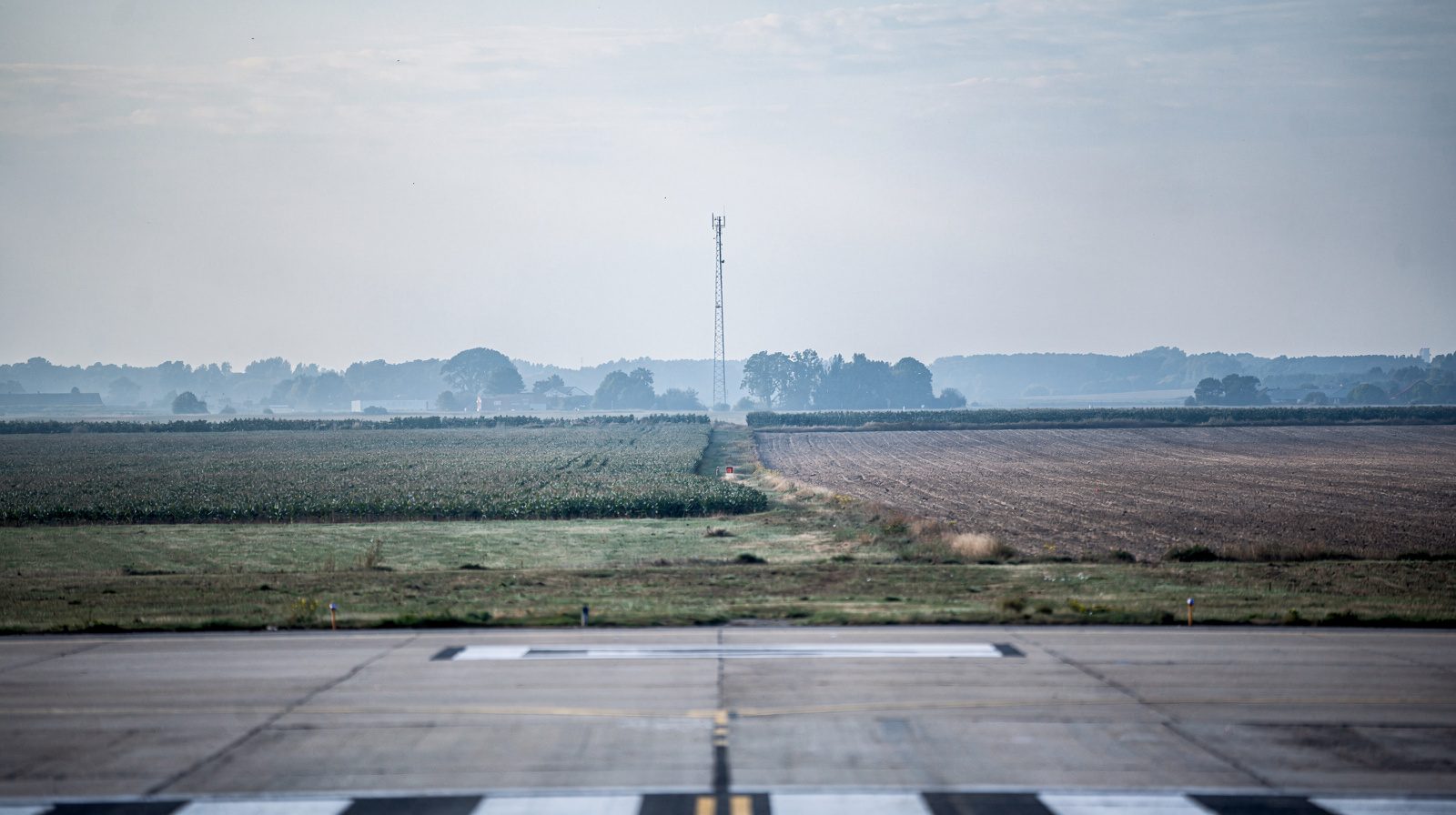
The airport surface covers all paved and unpaved areas within the airport perimeter, runways, taxiways, aprons, ramps, service roads, and grassed or gravel areas. Each surface is engineered for specific operational needs (e.g., runways for takeoff/landing, taxiways for aircraft movement, aprons for parking and servicing). Lighting, signage, and markings are installed according to ICAO and FAA standards to guide safe movements in all conditions.
Continuous inspection and maintenance of the airport surface are essential to ensure operational safety and capacity.
Movement Areas and Non-Movement Areas
Movement Areas
Runways are the most protected surfaces, engineered with specific slope, texture, and markings to support all aircraft types in various weather. Taxiways connect runways to other airport facilities, marked and lighted for safe navigation. Helipads and heliports serve rotary-wing aircraft and are similarly marked and positioned to minimize operational conflicts.
Non-Movement Areas
Aprons and ramps are used for aircraft parking, ground handling, and servicing. Markings indicate parking positions, safety lines, and vehicle lanes. Service roads allow support vehicles to access aircraft and facilities safely. Entry from non-movement to movement areas always requires ATC clearance.
Example Scenario:
A baggage cart operating on the apron cannot enter a taxiway or runway without ATC authorization. If an aircraft is towed across a taxiway, coordination with both ATC and airport operations is required to prevent interference with other movements.
Aircraft and Vehicle Ground Operations
Aircraft Ground Movement
- Taxiing: Aircraft move under their own power, following ATC instructions, airport markings, and speed limits (typically 20 knots straight, 10 knots on turns).
- Towing/Pushback: Specialized tugs reposition aircraft, these maneuvers require coordination among flight crew, ground handlers, and ATC.
- Hover Taxiing: Used by helicopters, this involves lateral movement a few feet above the ground with precision and situational awareness.
Vehicle Ground Movement
Ground vehicles, baggage carts, fuel trucks, catering vans, maintenance and emergency vehicles, operate under strict rules. Authorized vehicles are marked and equipped with lights/radios, and drivers are trained and permitted for specific areas.
Best Practice:
Ground vehicles must always yield to aircraft. Operators should use mirrors, cameras, and spotters in high-activity areas and never assume pilots can see them, especially in poor visibility.
Airport Markings, Signage, and Lighting
Markings
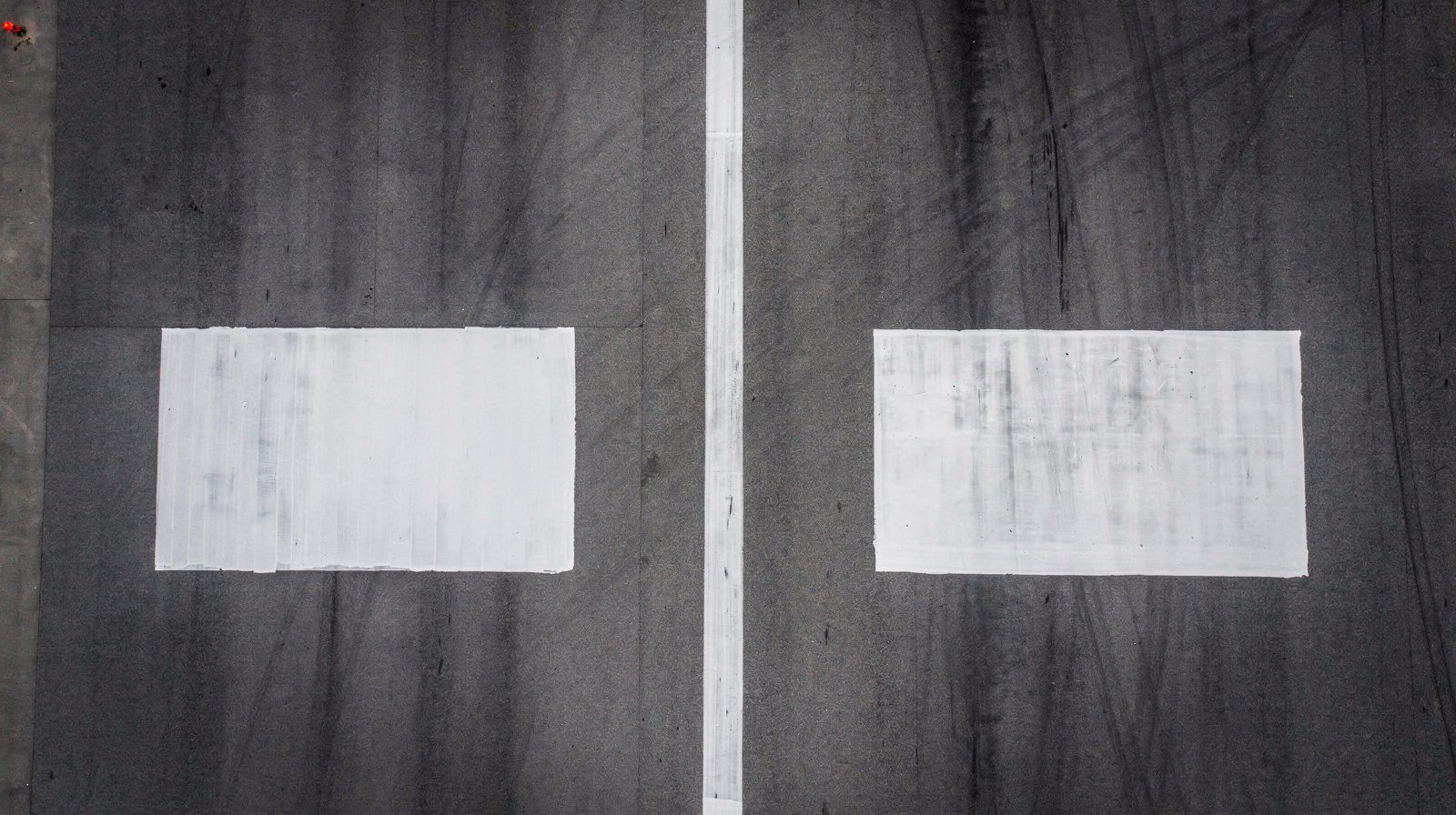
- Runway markings: Painted white, indicating runway numbers, centerlines, thresholds, and touchdown zones.
- Taxiway markings: Yellow, with continuous centerlines, edge lines, and hold position markings (two solid/two dashed lines at runway intersections).
- Hold Position Markings: Indicate where to stop prior to entering a runway, crossing without clearance is a primary cause of incursions.
Signage
- Runway holding position signs: Red with white numbers at runway entry points.
- Taxiway location signs: Black with yellow lettering.
- Taxiway direction signs: Yellow with black lettering and arrows.
Lighting
- Runway edge lights: White (amber or red at ends).
- Taxiway edge lights: Blue, centerline lights: green.
- Stop bar lights: Red, in-pavement, controlled by ATC to prevent unauthorized entry.
- Threshold lights: Green (approach), red (departure).
Example:
No aircraft or vehicle may cross a runway holding position or illuminated stop bar without ATC clearance.
Airport Traffic Control and Communications
Ground Control
Ground controllers coordinate all aircraft and authorized vehicle movements in the movement area (excluding active runways). They issue taxi, pushback, and repositioning clearances, sequencing aircraft and authorizing vehicle crossings.
Tower Control
Tower (local) control manages active runway use, issuing clearances for takeoff, landing, and runway crossings, closely coordinating with ground control.
Radio Communications Procedures
Operators use ICAO-standard phraseology, stating their identity, position, and request. All hold short/crossing instructions must be read back verbatim. If unclear, operators must ask for clarification.
Phonetic Alphabet Usage
Locations and taxiways are referenced using the ICAO phonetic alphabet to prevent confusion (e.g., “Taxiway Bravo”).
Ground Movement Operational Scenarios
Aircraft Taxiing to Runway
Crews receive taxi instructions specifying route and hold short points. They must read back all clearances and follow routes precisely to avoid conflicts or incursions.
Fuel Truck Crossing a Taxiway
Support vehicles request ATC clearance before entering or crossing taxiways/runways. Operators must visually confirm the path is clear.
Rescue Vehicle Responding
Emergency vehicles get priority but must maintain communication with ATC, reporting position and intentions as they respond.
Construction Activity
Temporary closures and detours are marked and communicated via NOTAMs. Operators must review current NOTAMs and diagrams to avoid closed/restricted areas.
Safety Note:
If unsure of location or instructions, operators must stop and contact ATC for assistance, never proceed without positive identification.
Regulatory and Safety Considerations
Regulatory Requirements
Ground movement is governed by FAA Part 139, ICAO Annex 14, and airport-specific rules. Regulations cover training, vehicle equipment, and operational procedures, only authorized personnel/vehicles may enter movement areas.
Airport Rules
Local rules may set routes, speed limits, parking, lighting, and radio usage. Vehicles often require beacons/strobes and trained drivers with recurrent assessments.
Runway Incursion Prevention
A runway incursion is any unauthorized presence on a runway. Prevention includes enhanced markings, lighting, rigorous training, and strict access controls.
Safety Warnings
Never enter movement areas without ATC clearance. Unauthorized entry is dangerous and subject to regulatory penalties. Operators must remain alert, avoid distractions, and keep vehicle lights operational, especially in low visibility.
Best Practices and Checklists
Before Driving on the Airport Surface
- Review current airport diagrams and NOTAMs.
- Check vehicle lighting and radios.
- Set correct ATC frequency.
- Ensure you can interpret all airport markings, signage, and lighting.
While Operating
- Follow all ATC instructions and read back clearances.
- Maintain situational awareness, yield to aircraft.
- Use designated routes and minimize time spent in movement areas.
- Stay alert, avoid distractions, and report any uncertainty or hazards to ATC immediately.
Ground movement is a cornerstone of airport safety and efficiency. Through strict procedures, advanced technology, and ongoing training, airports manage the complex choreography of aircraft and vehicle movements, ensuring that every operation, from taxiing to towing, is performed with safety at the forefront.
If you’re looking to enhance your airport’s ground movement operations, contact us to learn more about technology, training, and best practices that can help you achieve world-class safety and efficiency.
Frequently Asked Questions
- What does ground movement mean at an airport?
- Ground movement refers to all controlled motion of aircraft and vehicles on the airport surface, excluding takeoff and landing. This includes taxiing, towing, pushback, and the movement of support vehicles. These activities are coordinated by air traffic control and airport operations to ensure safety and efficiency.
- What is the difference between movement and non-movement areas?
- Movement areas are parts of the airport (such as runways and taxiways) designated for aircraft takeoff, landing, and taxiing, and are under air traffic control (ATC) supervision. Non-movement areas (such as aprons and ramps) are not controlled by ATC and are used for parking, servicing, and loading/unloading aircraft.
- How is ground movement coordinated and controlled?
- Ground movement is coordinated using a combination of air traffic control instructions, airport surface management systems, visual markings, signage, lighting, and standardized radio communications. Advanced technologies like surface movement radar (SMR) and A-SMGCS enhance situational awareness for controllers and operators.
- Why is ground movement safety critical in airport operations?
- Effective ground movement procedures prevent runway incursions, collisions, and operational disruptions. Proper coordination, communication, and adherence to visual cues and regulations help maintain safe separation between aircraft and vehicles, ensuring a safe environment for all airport users.
- What are runway incursions and how are they prevented?
- A runway incursion occurs when an unauthorized aircraft, vehicle, or person enters a runway. Prevention measures include clear markings, signage, lighting, rigorous training, ATC clearance requirements, and use of technology to monitor and control access to movement areas.
This is a reference entry. TarmacView provides drone inspection services and doesn't sell the equipment or materials described in this glossary.