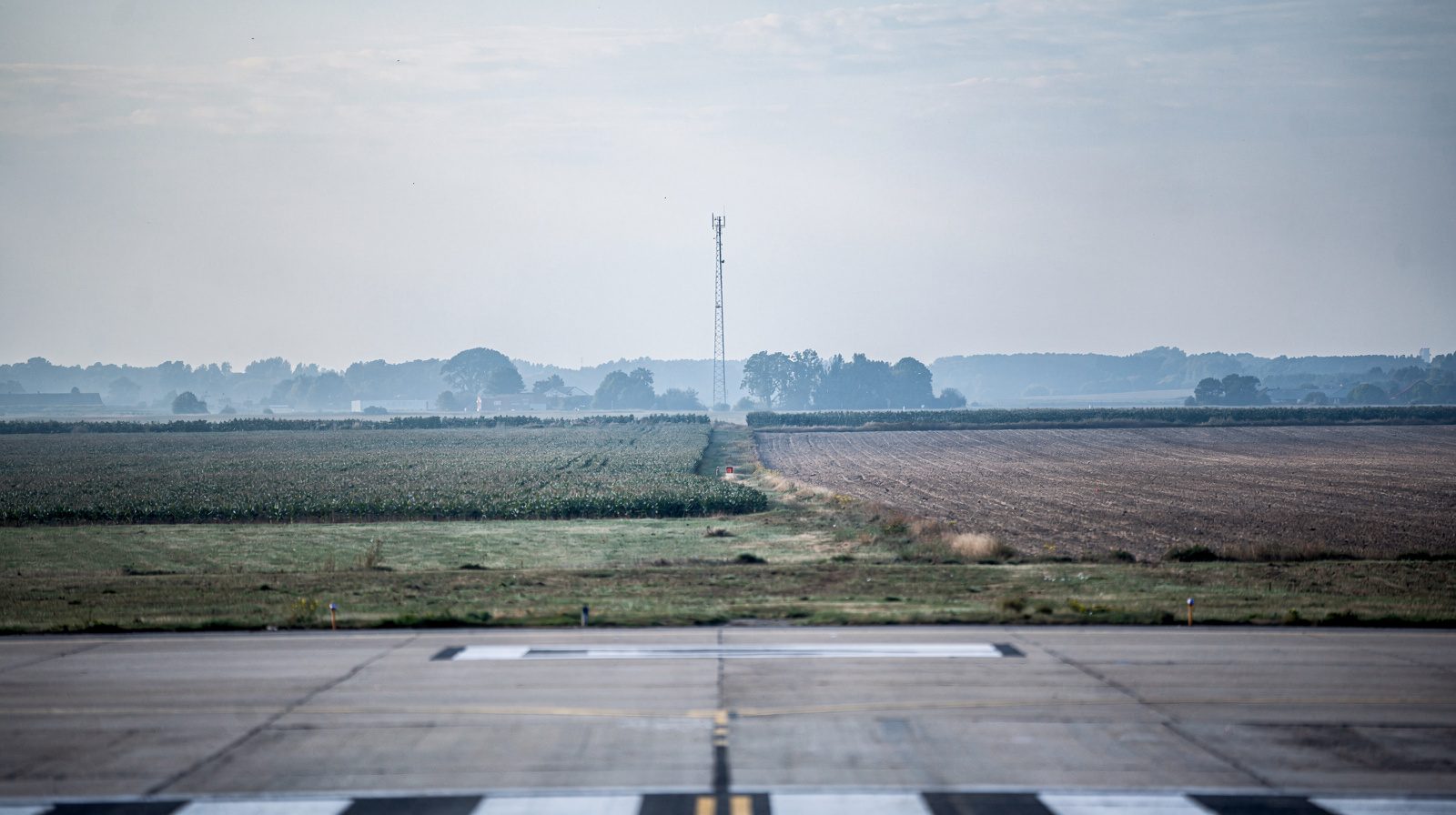
What is a Manoeuvring Area?
Manoeuvring Area: Comprehensive Glossary and In-Depth Analysis
Definition
The manoeuvring area is a foundational concept in airport and aerodrome operations. According to the International Civil Aviation Organization (ICAO) Annex 14, it is “that part of an aerodrome to be used for the take-off, landing, and taxiing of aircraft, excluding aprons.” This definition is adopted globally by aviation authorities, such as EASA and the FAA, ensuring consistent operational and legal standards.
In practice, the manoeuvring area encompasses all runways and taxiways at an airport, but not aprons, stands, or hangars. This distinction is crucial: all ground movements within the manoeuvring area require explicit Air Traffic Control (ATC) clearance at controlled airports, and the area is subject to the most stringent safety regulations.
Components and Subdivisions
Runways
Runways are the primary surfaces for take-off and landing. They are engineered to strict standards for length, width, strength, friction, and marking. Runway safety areas and clear zones are integral to minimize the impact of overruns or undershoots.
Taxiways
Taxiways connect runways with aprons and other facilities. They are designed for safe, efficient aircraft movement, featuring standardized markings, lighting, and signage. Types include parallel, rapid-exit, and holding bay taxiways, all supporting operational flow and minimizing runway occupancy.
Exclusion of Aprons and Other Non-Manoeuvring Areas
Aprons serve as zones for parking, loading, unloading, refueling, and servicing aircraft. They are excluded from the manoeuvring area to distinguish zones of highest operational risk and regulatory scrutiny. Apron activities, while controlled, are typically managed by airport apron control or ground handlers, not ATC.
Other non-manoeuvring zones include aircraft stands, gates, and hangars, each governed by different access controls and safety protocols.
The Movement Area vs. Manoeuvring Area
The movement area is a broader term, encompassing both the manoeuvring area and aprons. It defines all surfaces used by aircraft under their own power, but only the manoeuvring area (runways and taxiways) is regulated by the strictest ATC requirements.
Understanding this distinction is essential for pilots, ground personnel, and airport operators, as it affects clearance procedures and safety protocols.
Regulatory Framework and Standards
- ICAO Annex 14: Sets global standards for runway/taxiway design, markings, lighting, and obstacle clearance.
- EASA: Through EU Regulation No 139/2014, harmonizes standards across Europe for certified aerodromes.
- FAA: US standards are detailed in the Aeronautical Information Manual (AIM) and Advisory Circulars.
Compliance is mandatory for airport certification and operation. Audits ensure adherence, and deficiencies necessitate prompt corrective action.
Air Traffic Control (ATC) Procedures
All movement in the manoeuvring area at controlled airports is subject to direct ATC clearance. Standardized phraseology and read-back procedures are mandatory to prevent misunderstandings and incidents such as runway incursions. ATC also coordinates transitions from the manoeuvring area to apron zones, ensuring safe handover of responsibility.
Safety Management and Hazard Mitigation
Key hazards in the manoeuvring area include high-speed aircraft movement, intersecting taxiways, and risk of incursion. Safety management systems (SMS) address these through:
- Markings (centerlines, holding positions)
- Lighting (runway/taxiway edge and centerline lights)
- Signage (instruction and guidance signs)
- Obstacle limitation and regular surface maintenance
- Incident reporting and investigation
Lessons from incidents inform continuous improvement in procedures and physical design.
Language Proficiency and Communication
Clear, standardized communication is vital. ICAO and national regulations require English proficiency (ICAO Level 4 or higher) and adherence to standard radio phraseology. This ensures accurate receipt and execution of ATC instructions, reducing the risk of critical misunderstandings.
Aeronautical Charts and Diagram Depiction
Aeronautical charts visually represent the manoeuvring area, showing runways, taxiways, designations, and boundaries. Hotspots and holding points are clearly indicated to support pilot situational awareness.
Electronic Flight Bags (EFBs) and airport moving maps integrate this data for real-time navigation support.
Practical Scenarios and Use Cases
Aircraft Taxiing
After landing, an aircraft vacates the runway via a taxiway and proceeds, under ATC direction, to the apron. The transition marks the shift from the manoeuvring area (ATC control) to apron management.
Runway Incursion Prevention
Strict ATC clearance procedures, standardized markings, and training mitigate the risk of unauthorized entry (incursion) onto runways or taxiways.
Emergency Response
Emergency vehicles require ATC clearance to enter the manoeuvring area, ensuring coordination and safety during incidents.
Controlled vs. Uncontrolled Aerodromes
At controlled airports, ATC manages all manoeuvring area movements. At uncontrolled fields, pilots self-coordinate using published procedures and common frequencies.
Design Standards and Technical Specifications
Runways and taxiways are constructed to:
- Handle the heaviest expected aircraft (pavement strength)
- Meet minimum width/length requirements
- Ensure adequate friction and drainage
- Feature standardized markings and lighting
- Maintain clear obstacle limitation surfaces
Routine inspections and maintenance uphold these standards.
Obstacle Clearance and Performance-Based Navigation
Obstacle Limitation Surfaces (OLS) are defined around manoeuvring areas to protect aircraft operations. Performance-Based Navigation (PBN) technologies and Advanced Surface Movement Guidance and Control Systems (A-SMGCS) enhance efficiency, especially at complex airports.
Visual Representations
Airport diagrams highlight the manoeuvring area, runways, taxiways, and boundaries, essential for preflight planning, training, and operational awareness.
Summary
The manoeuvring area, comprising runways and taxiways, but not aprons, is the core zone of regulated aircraft ground movement at airports. It is subject to the highest standards of design, control, and safety, with all movements managed by ATC at controlled aerodromes. Understanding its boundaries, regulatory framework, and operational requirements is fundamental for safe and efficient airport operations.
For further details on how to optimize your airfield’s manoeuvring area management or to see a demonstration of advanced airport operations solutions, contact us or schedule a demo .
Frequently Asked Questions
- What is included in the manoeuvring area?
- The manoeuvring area includes all runways and taxiways of an aerodrome, as defined by ICAO and national authorities. It does not include aprons, stands, or hangar areas.
- Are aprons part of the manoeuvring area?
- No. Aprons, where aircraft are parked, loaded, unloaded, refueled, or serviced, are specifically excluded from the manoeuvring area.
- Who controls movement in the manoeuvring area?
- At controlled aerodromes, all aircraft and authorized vehicles require explicit clearance from Air Traffic Control (ATC) before moving within the manoeuvring area.
- What are the main safety risks in the manoeuvring area?
- Risks include runway incursions, ground collisions, and miscommunication. These are mitigated by strict ATC protocols, standardized markings, lighting, and mandatory training.
- How is the manoeuvring area depicted on airport charts?
- Aeronautical charts clearly show runways and taxiways, their designations, dimensions, and boundaries, distinguishing them from aprons and other non-manoeuvring zones.
- What regulations govern the design and use of manoeuvring areas?
- International (ICAO Annex 14), European (EASA), and US (FAA) regulations prescribe standards for design, markings, lighting, and operational procedures for the manoeuvring area.
- Why is language proficiency important for manoeuvring area operations?
- Effective radio communication in English (ICAO Level 4+) is mandatory to ensure correct understanding of ATC clearances and prevent safety incidents.
This is a reference entry. TarmacView provides drone inspection services and doesn't sell the equipment or materials described in this glossary.