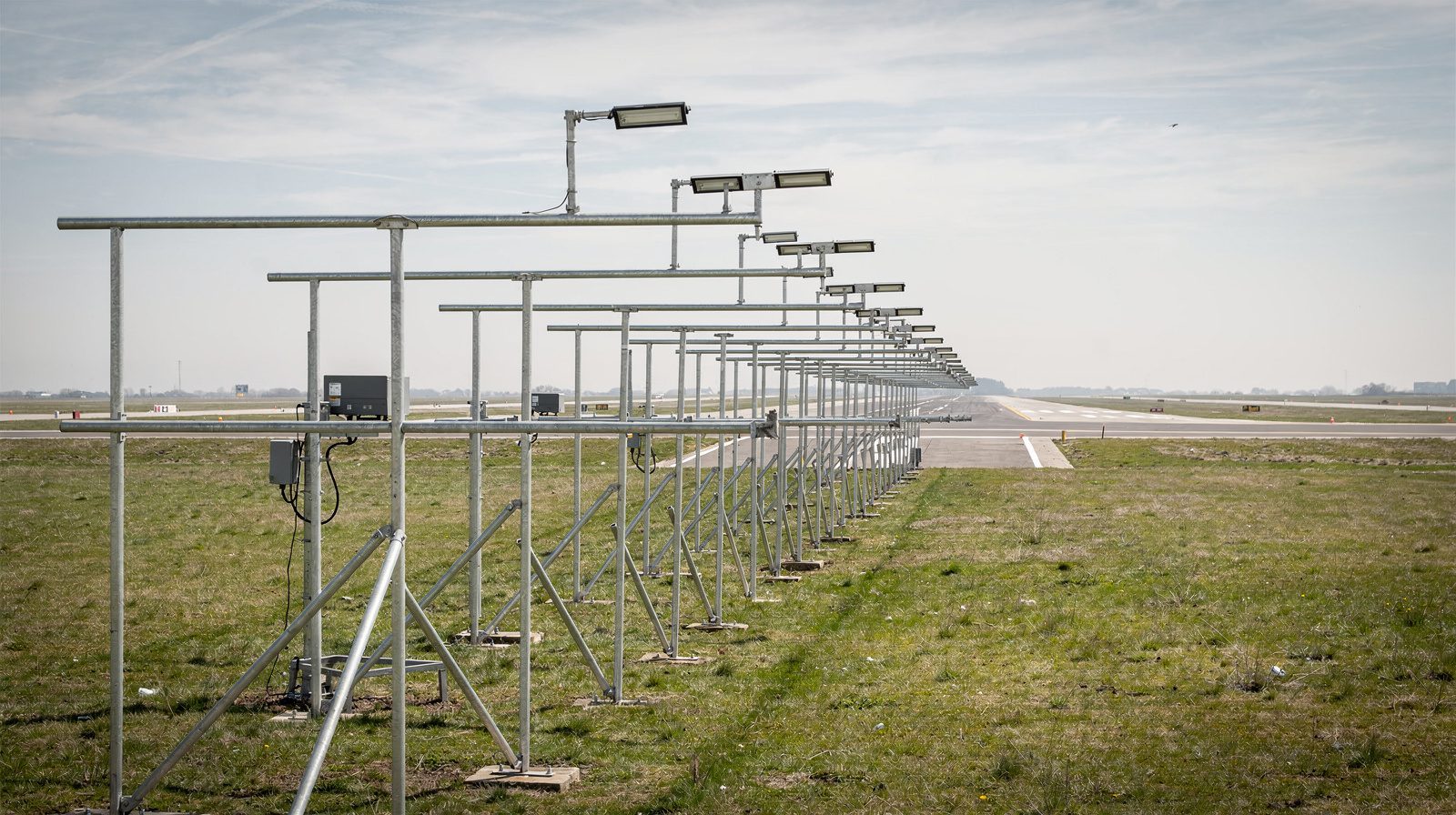
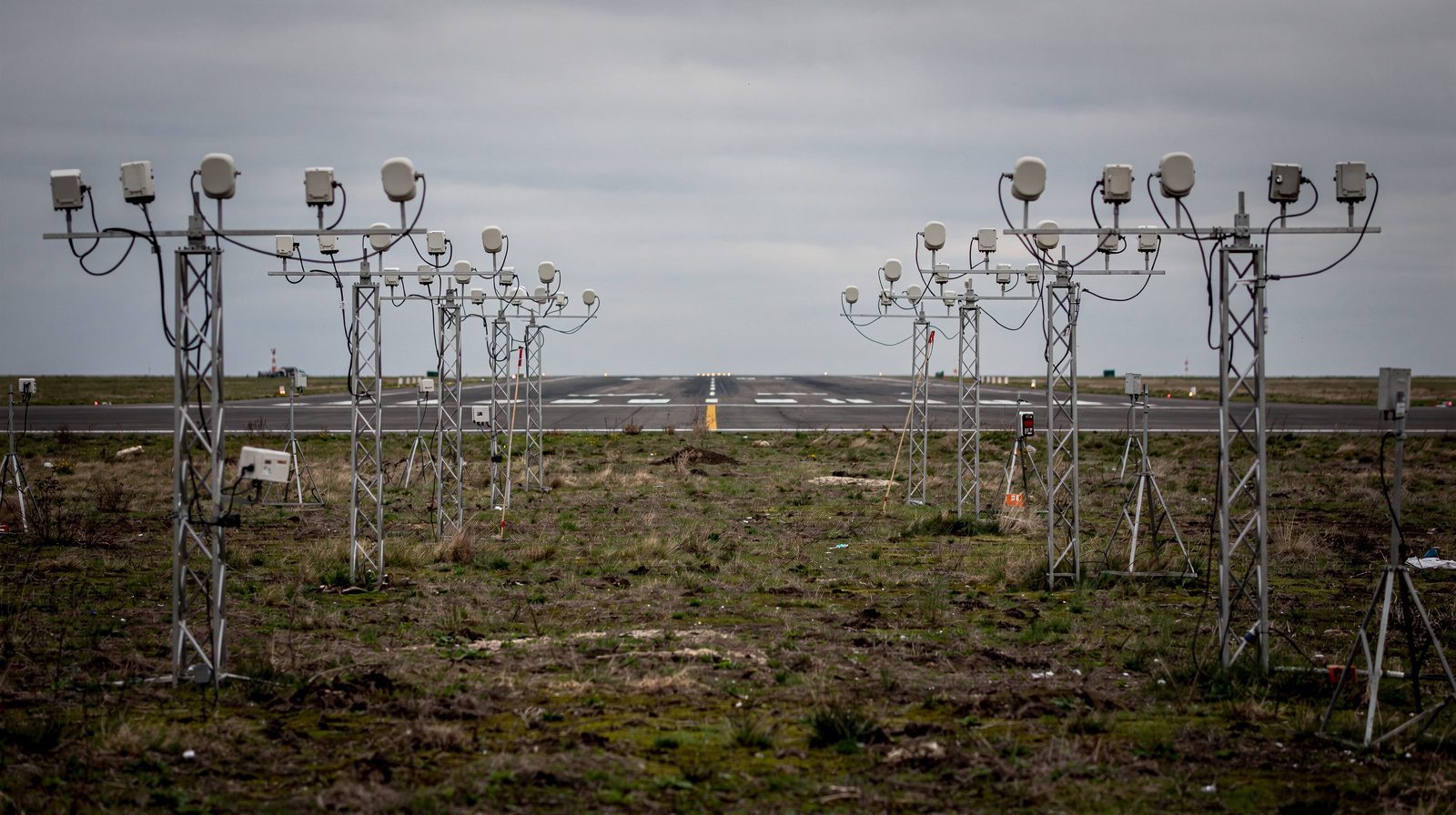
What is Intensity Level (Brightness Setting) in Airport Lighting?
Intensity Level – Brightness Setting of Airport Lighting
Overview
Intensity level, the regulated brightness setting of airport lighting, is a foundational aspect of airfield safety and operational reliability. It refers to the specific luminous output, adjustable in discrete steps, for all systems such as runway edge lights, approach lights, taxiway lights, and obstruction lights. These levels are meticulously defined to meet the visibility needs of pilots during varying weather, daylight, and operational conditions, while also ensuring compliance with global aviation standards.
Definition and Application
In airport lighting, intensity level is the quantifiable luminous output (in candela, cd) from a fixture, set in standardized steps (commonly three or five). Each step is a percentage of the fixture’s certified maximum, as established by regulatory authorities like ICAO and the FAA.
For example, a five-step intensity system might have:
- Step 5: 100% (full output)
- Step 4: 25%
- Step 3: 5%
- Step 2: 1%
- Step 1: 0.2%
These steps are not arbitrary, they reflect human visual perception, operational needs, and environmental effects on visibility. The airfield lighting control and monitoring system (ALCMS) or pilot-controlled lighting (PCL) interface allows for remote or automated selection of these levels. This flexibility provides real-time adaptation to weather, ambient light, or pilot requests.
Brightness Setting – Meaning and Implementation
The brightness setting is the operational selection of an intensity level through the airport’s lighting control system. It is the actionable adjustment, manual or automated, based on:
- Meteorological visibility (e.g., fog, rain, snow)
- Time of day (day/night transitions)
- Regulatory requirements
- Direct pilot requests
For instance, during bright daylight, the highest setting may be needed for visibility, while at night, lower settings suffice to prevent glare.
Brightness is managed through a combination of hardware (regulators, transformers, or electronic drivers) and software (control panels, remote interfaces, automated sensors).
Luminous Intensity (Candela): The Technical Basis
Luminous intensity is a photometric measure, light output in a specific direction, per unit solid angle. Expressed in candela (cd), it is the universal reference for airport lighting specification and certification.
- High-intensity runway edge lights may be certified to emit 10,000 cd at maximum.
- Photometric testing (with calibrated photometers or goniophotometers) ensures compliance with ICAO/FAA standards.
- The beam pattern (directionality) is as important as total output, runway centerline lights, for example, must focus output within specific angles.
Routine measurements and calibrations are required for ongoing certification and operational safety.
Transmissivity: Atmospheric Effects
Transmissivity describes the proportion of light reaching the observer after passing through the atmosphere, accounting for absorption and scattering by fog, rain, snow, or dust.
- In clear conditions, most light reaches pilots, allowing lower intensity settings.
- In poor transmissivity (e.g., dense fog), more light is needed, so higher intensity is required.
- Adjustments are non-linear: doubling intensity does not double visible range (per Beer-Lambert Law).
Real-time weather data informs lighting control systems, ensuring pilots receive adequate visual cues in all conditions.
Perceived Brightness: The Human Factor
Perceived brightness is how bright a light appears to the human eye, which can differ from measured luminous intensity due to:
- Spectral composition (color of light)
- Eye adaptation state (night vs. day)
- Background luminance
- Atmospheric scatter (e.g., halos in fog)
For example, blue or white LEDs may appear brighter than red or yellow at the same candela. Overly bright lights can cause glare, masking runway markings and increasing pilot workload. Therefore, intensity steps are designed to match the eye’s logarithmic response and to avoid both under- and over-illumination.
Solid-State Lighting: LEDs in Airfields
LEDs (Light Emitting Diodes) have transformed airport lighting:
- Color stability: LEDs maintain consistent color across all intensity levels, unlike incandescent lamps which shift toward yellow-red at low settings.
- Precision control: LEDs use pulse-width modulation or current reduction for accurate step adjustments.
- Efficiency: LEDs consume less power, last longer, and require less maintenance, though their drivers may need specialized care.
Airports upgrading to LEDs often recalibrate intensity steps to avoid excessive perceived brightness at low settings, ensuring optimal pilot comfort and safety.
Step Intensity Systems: Structure and Control
Airport lighting uses step intensity control, typically in three- or five-step systems. The steps are non-linear to match the eye’s response and atmospheric effects. For example:
Five-Step System (ICAO):
- Step 5: 100%
- Step 4: 25%
- Step 3: 5%
- Step 2: 1%
- Step 1: 0.2%
Three-Step System:
- Step 3: 100%
- Step 2: 30%
- Step 1: 10%
Control is centralized (in the tower or operations center), automated (via sensors), or remote (pilot-activated). Reliability and repeatability are crucial for safety and compliance.
Regulatory Framework: ICAO, FAA, and National Standards
Airport lighting intensity is strictly regulated:
- ICAO Annex 14: Sets minimum/maximum intensity values, step intervals, and operational standards.
- FAA: Uses AIM, Advisory Circulars, and Orders (like 7110.65) for U.S. compliance.
- National authorities (e.g., UK CAA, Transport Canada): May have country-specific adaptations.
Airports must document performance, conduct regular photometric checks, and maintain logs for inspection and certification.
Operational Rationale
Adjusting intensity levels directly impacts:
- Safety: Ensures pilots can see visual aids during all operations.
- Efficiency: Adaptation to changing weather and light reduces operational delays.
- Pilot requests: Pilots may ask for higher or lower settings based on cockpit visibility.
- Energy and environmental stewardship: Lower settings reduce power use and light pollution, extending fixture life.
Measurement and Calibration
Accurate measurement is essential:
- Photometric equipment verifies output at each intensity step.
- Routine checks (annually or post-maintenance) ensure compliance.
- Dynamic testing (goniometers, scanning photometers) maps light distribution and alignment.
Calibration is ongoing, especially after upgrades (e.g., LED retrofits), with pilot feedback informing adjustments.
Incandescent vs. LED: Key Differences
- Incandescent: Color shifts as intensity lowers, less efficient, shorter lifespan, higher maintenance.
- LED: Stable color, precise control, higher efficiency, longer life, needs careful calibration at low steps to avoid glare.
Transition to LEDs typically requires recalibration to maintain proper perceived intensity across all steps, especially for night operations.
Installation and Adjustment
Proper installation must consider:
- Accurate placement for uniform illumination and compliance.
- Electrical infrastructure for power and control.
- Commissioning: Involves photometric testing, aiming, and calibration for optimal performance.
Adjustment is handled via centralized systems, automated sensors, or pilot input, all integrated for flexibility and responsiveness.
Summary
The intensity level, the adjustable brightness setting of airport lighting, is a pivotal component of airfield operations. It ensures pilots have the visual information needed for safe navigation, approach, landing, and taxiing under all conditions. The system’s effectiveness depends on precise measurement, robust control, regular calibration, and compliance with international regulations. Advances like LED technology offer improved efficiency and reliability, but require careful adaptation to maintain safety and comfort for pilots.

For airports, airlines, and regulators, maintaining optimal intensity levels is non-negotiable, a cornerstone of modern aviation safety and efficiency.
Frequently Asked Questions
- Why is intensity level adjustment important in airport lighting?
- Adjusting intensity levels ensures that airfield lights are visible to pilots in all weather and lighting conditions without causing glare, supporting safe takeoffs, landings, and taxiing. It also helps airports comply with international and national aviation regulations.
- How are intensity levels measured and set in airport lighting systems?
- Intensity levels are measured in candela (cd) and set in defined steps, typically three or five, each representing a percentage of the fixture's maximum output. Control is achieved via airfield lighting control systems, which allow for both manual and automated adjustments based on visibility, time of day, and pilot requests.
- What is the difference between incandescent and LED airport lights in terms of intensity levels?
- LED airport lights maintain consistent color and perceived brightness across all intensity levels, while incandescent lamps shift color as they dim, potentially affecting visibility. LEDs allow more precise intensity control, greater energy efficiency, and longer service life, but may require recalibrated intensity steps after retrofit to avoid excessive brightness at low settings.
- How does atmospheric transmissivity affect airport lighting intensity?
- Transmissivity refers to the amount of light transmitted through the atmosphere. Poor transmissivity (due to fog, rain, or snow) requires higher intensity settings so lights remain visible to pilots. The relationship is non-linear, meaning increasing intensity does not proportionally increase visible range in low-visibility conditions.
- What regulatory standards govern airport lighting intensity levels?
- ICAO Annex 14 and national agencies like the FAA set standards for minimum and maximum light intensity, step intervals, and operational requirements. Airports must regularly test, calibrate, and document lighting performance to maintain compliance and ensure safety.
This is a reference entry. TarmacView provides drone inspection services and doesn't sell the equipment or materials described in this glossary.