What is an Overrun in Airport Infrastructure?
Overrun – Paved Area Beyond Runway End in Airport Infrastructure
Definition and Aviation Context
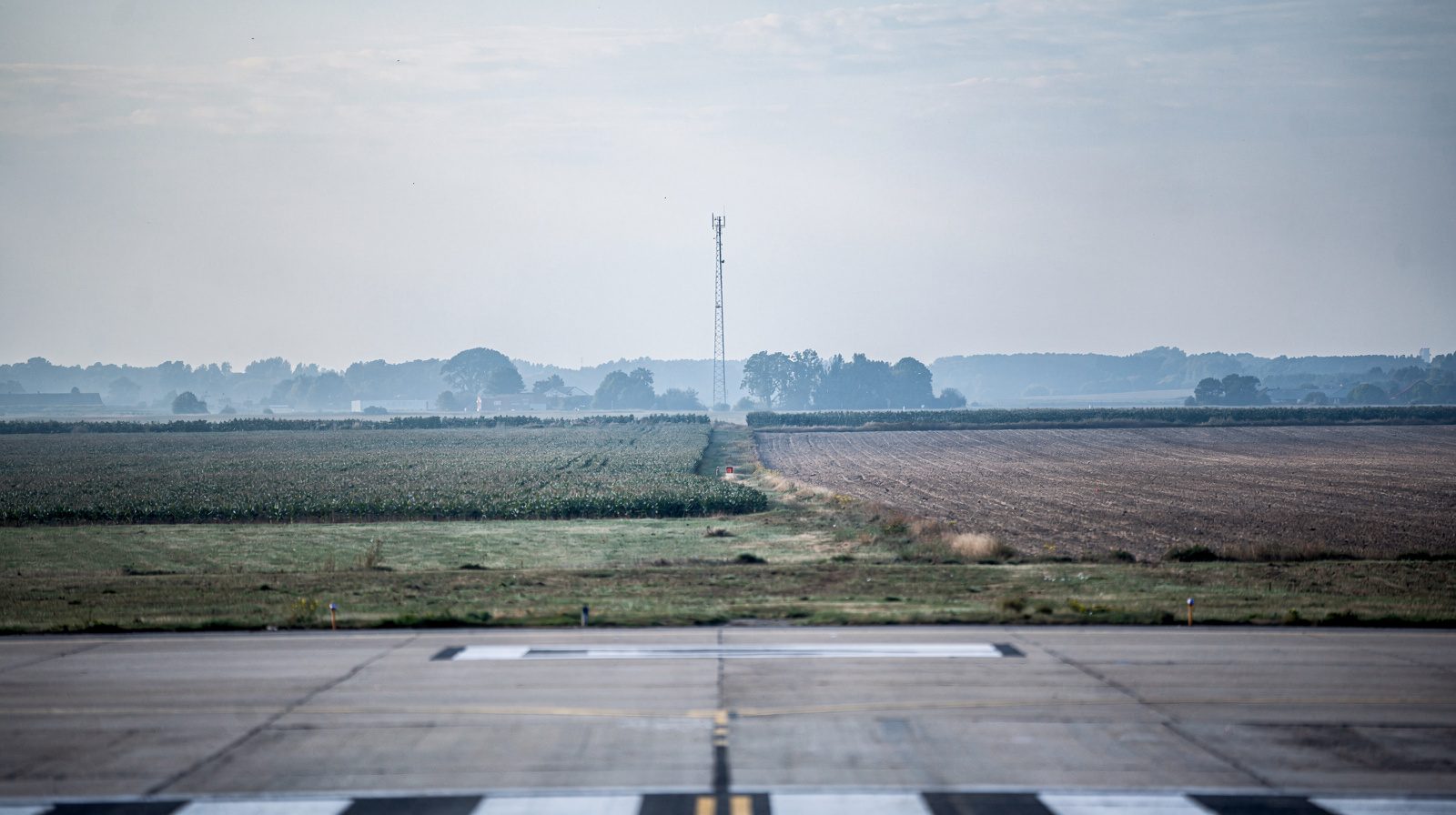
An overrun in aviation refers to the paved or engineered area extending beyond the designated end of a runway. Its primary purpose is to act as a safety buffer for aircraft unable to stop within the available runway length during landing or a rejected takeoff. Overrun areas help mitigate the consequences of runway excursions, events where an aircraft departs the runway surface. Depending on regulatory context, overruns may be referred to as a Runway Safety Area (RSA), Runway End Safety Area (RESA), or equipped with an Engineered Material Arresting System (EMAS).
Overrun areas are a fundamental component of airport design. They are required by both national (FAA, Transport Canada, etc.) and international (ICAO) aviation authorities due to the prevalence and severity of runway excursions in accident statistics. Their design accounts for factors such as airport size, aircraft type, operational hazards, geographic, and urban constraints, with the overarching goal of reducing risk to life, aircraft, and airport infrastructure.
Runway Safety Area (RSA): Design and Function
A Runway Safety Area (RSA) is a specially prepared surface surrounding the runway. RSAs are designed to minimize the risk of damage to aircraft in the event of an undershoot, overshoot, or excursion.
Key Features
- Dimensions: Up to 500 feet wide and 1,000 feet beyond each runway end for large jet operations (may vary by airport type).
- Surface: Graded turf, gravel, or paved, free of obstacles and able to support aircraft and emergency vehicles.
- Regulation: Mandated by the FAA for all US commercial airports (FAA AC 150/5300-13).
Purpose
The RSA provides a passive margin of safety for aircraft that overrun or veer off the runway, allowing for controlled deceleration and rapid emergency response access. Where full RSA installation is not possible, alternatives like EMAS may be used.
Runway End Safety Area (RESA): International Standards
A Runway End Safety Area (RESA) is a graded area beyond the runway strip, required by ICAO Annex 14, Volume I, for runways serving larger aircraft.
ICAO Standards
- Minimum Length: 90 meters (295 feet)
- Recommended Length: 240 meters (787 feet) where practicable
- Surface: Compacted soil, gravel, or other suitable, load-bearing material
- Function: Absorbs or arrests aircraft motion in the event of an overrun or undershoot
International adoption varies based on geography and resources, but RESA is considered a best practice for runway safety worldwide.
Engineered Material Arresting System (EMAS): Technology and Application
The Engineered Material Arresting System (EMAS) is an engineered solution for airports where space constraints prevent full RSA or RESA installation.
How EMAS Works
- Material: Crushable, lightweight cellular concrete blocks
- Performance: Collapses predictably under aircraft weight, safely stopping overrunning aircraft
- Typical Length: 180–300 feet, custom designed for each airport
- Effectiveness: Stops aircraft at speeds up to 70 knots, validated in over 21 real-world incidents
Where Used
EMAS is installed at major international and regional airports (e.g., JFK, Chicago O’Hare, Philadelphia International, Teterboro) and is approved by the FAA as an alternative safety measure where physical constraints exist.
Regulatory Framework
- FAA (US): Advisory Circular 150/5300-13 sets RSA and EMAS standards.
- ICAO: Annex 14, Volume I defines RESA requirements.
- Transport Canada/TSB: Adopts risk-based approaches, with increasing alignment to ICAO after high-profile incidents.
Implementation may vary based on local circumstances, but the goal is consistent safety across all operations.
Technical Specifications
| Overrun Area Type | Standard Dimension | Surface Material | Load-Bearing Requirement | Regulatory Body |
|---|---|---|---|---|
| RSA | Up to 500 ft wide, 1,000 ft beyond | Graded turf, gravel, or pavement | Must support aircraft/emergency vehicles | FAA |
| RESA | Min. 90 m, rec. 240 m | Compacted soil, gravel, engineered fill | Must support aircraft/rescue equipment | ICAO |
| EMAS | 180–300 ft (custom) | Crushable cellular concrete | Collapses under aircraft weight | FAA |
Proper grading, drainage, and maintenance are essential for all overrun area types.
Operational Rationale: Why Overrun Areas Matter
Runway excursions are among the most frequent and dangerous aviation incidents. Overrun areas:
- Provide additional stopping distance during emergencies
- Reduce loss of life and aircraft damage
- Allow emergency vehicles safe access
- Are especially critical at airports with limited land due to urban or terrain constraints
Case Studies: Overrun Area Effectiveness
- Teterboro Airport (2010): Gulfstream G-IV safely stopped by EMAS after overrunning the runway.
- Reading Regional (2021): Cessna Citation Excel arrested by EMAS, preventing injuries.
- Witham Field (2021): Vintage L-39 jet safely halted by EMAS.
- Philadelphia International (2025): EMAS installation brought RSA into FAA compliance, enhancing safety where physical extension was impossible.
These examples demonstrate how overrun areas and EMAS save lives and reduce damage in real-world incidents.
Engineering Challenges and Innovations
- Physical Constraints: Urban development, water, or terrain may limit runway extension.
- Cost: Major investments are needed for construction and ongoing maintenance, especially for EMAS.
- Regulatory Differences: Harmonization is ongoing, with increasing alignment to ICAO standards worldwide.
- Innovation: Research continues into new arrestor materials and safety metrics.
Overrun Area Types: Summary Table
| Overrun Type | Description | Standard Dimensions/Materials | Regulatory Standard | Example Implementation |
|---|---|---|---|---|
| RSA | Graded, obstacle-free area | Up to 500 ft wide, 1,000 ft beyond | FAA AC 150/5300-13 | Most US commercial airports |
| RESA | Graded safety area beyond runway | Min. 90 m, rec. 240 m, gravel/soil | ICAO Annex 14 | Major international airports |
| EMAS | Engineered arrestor bed | 180–300 ft, crushable cellular concrete | FAA | JFK, PHL, Teterboro |
Glossary of Key Terms
- Overrun: Aircraft traveling beyond the runway end, usually during landing or rejected takeoff.
- RSA: Runway Safety Area, a graded, obstacle-free buffer surrounding the runway.
- RESA: Runway End Safety Area, an ICAO-mandated graded area beyond the runway end.
- EMAS: Engineered Material Arresting System, crushable material bed to stop overrunning aircraft.
- Runway Excursion: Any event where an aircraft departs the runway surface (overrun or veer-off).
Advanced Technical Reference
ICAO Annex 14, Volume I
Specifies RESA minimums (90 m, recommended 240 m), obstacle-free grading, and surface requirements for international compliance.
FAA Advisory Circular 150/5300-13
Defines RSA and EMAS dimensions, construction, and maintenance for US airports, including when EMAS is an acceptable alternative.
Transport Canada & TSB
Increasingly aligning with ICAO, with risk-based recommendations and a focus on Canadian operational challenges.
Image Gallery: Overrun Area Installations
Further Reading
Overrun areas, whether RSA, RESA, or EMAS, are critical infrastructure, saving lives, reducing risk, and ensuring airport compliance with global safety standards.
Frequently Asked Questions
- What is a runway overrun?
- A runway overrun occurs when an aircraft is unable to stop within the designated runway length during landing or a rejected takeoff, causing it to travel beyond the runway end. Overrun areas are designed to minimize the consequences of such incidents by providing a safety buffer.
- What is the difference between RSA, RESA, and EMAS?
- RSA (Runway Safety Area) is a graded safety area surrounding the runway, mandated by the FAA in the US. RESA (Runway End Safety Area) is an internationally recognized graded area beyond the runway, as per ICAO. EMAS (Engineered Material Arresting System) is a bed of crushable material designed to stop overrunning aircraft, used where space limits prevent full RSA or RESA implementation.
- Why are overrun areas important in airport design?
- Overrun areas are critical for mitigating the risks of runway excursions, one of the most common aviation accidents. They provide additional stopping distance, protect lives, reduce aircraft damage, and enhance airport safety, especially where terrain or urban environments limit runway extension.
- How are overrun areas regulated internationally?
- Internationally, overrun areas are regulated by standards from ICAO (Annex 14 for RESA) and nationally by authorities like the FAA in the US or Transport Canada. These regulations set minimum dimensions, maintenance, and performance standards for safety areas.
- Where is EMAS installed and how effective is it?
- EMAS is installed at airports where full RSA or RESA dimensions are not possible due to physical constraints. It uses crushable materials that stop aircraft safely and has proven effective in over 21 real-world incidents, saving lives and reducing damage.
This is a reference entry. TarmacView provides drone inspection services and doesn't sell the equipment or materials described in this glossary.