What is a Safety Area?
Glossary: Safety Area – Area Adjacent to Runway or Taxiway for Aircraft Protection
What is a Safety Area?
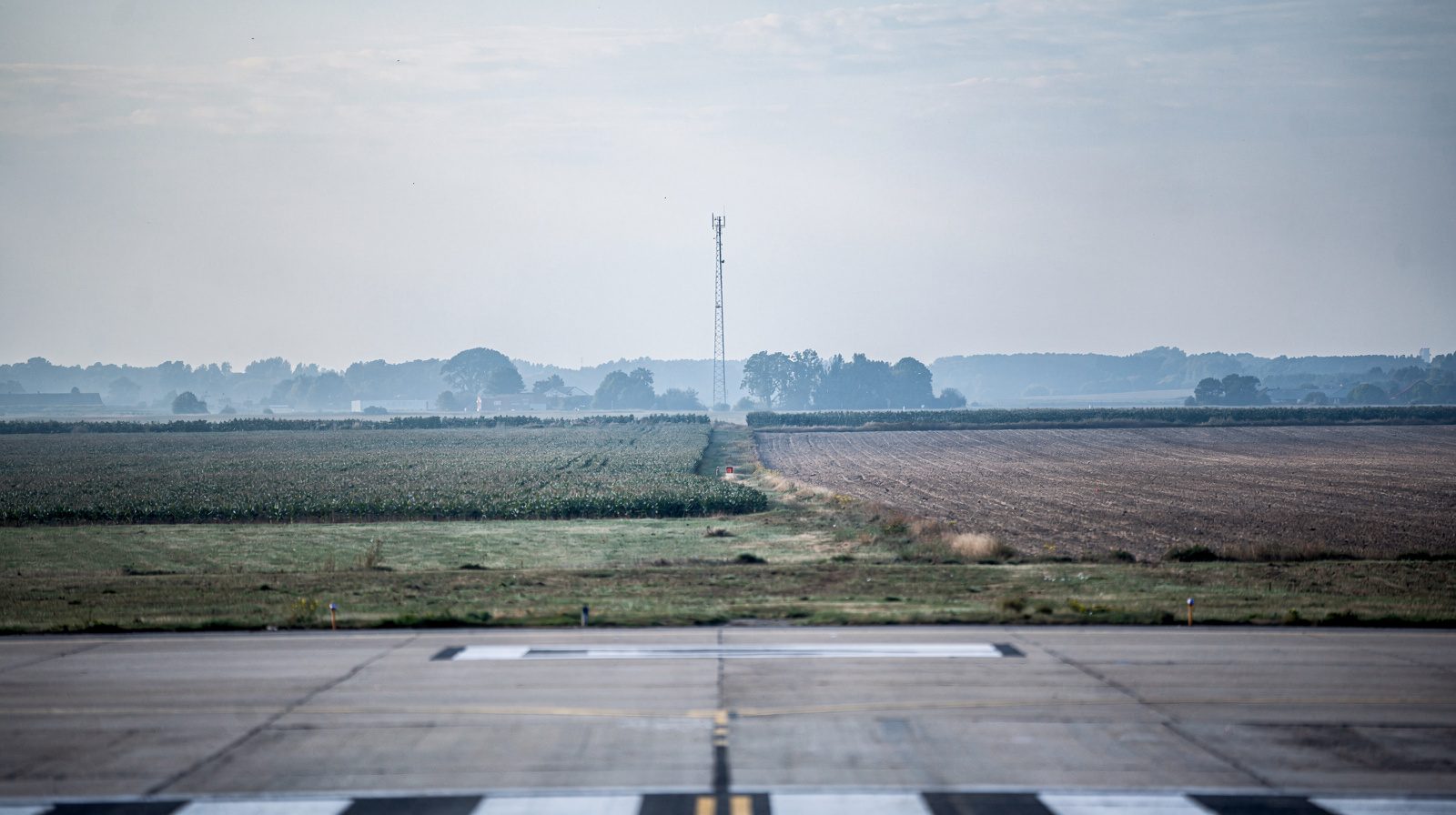
A Safety Area at an airport is a meticulously engineered, graded surface that surrounds runways and taxiways. Its core purpose is to minimize the risk of aircraft damage or injury to passengers and crew during events like undershoots, overruns, or excursions from the paved surface. Safety areas also ensure that Airport Rescue and Firefighting (ARFF) vehicles, maintenance crews, and snow removal equipment can quickly and safely access any part of the airfield in an emergency.
Safety areas are a foundational element of airport safety, governed by international (ICAO Annex 14) and national (FAA Advisory Circular 150/5300-13B) regulations. Their design and maintenance are subject to rigorous standards: they must be obstacle-free (with strictly limited exceptions for essential, frangible structures), properly drained to prevent water accumulation, and free of ruts or abrupt surface transitions. The dimensions of safety areas are determined by the size and operational characteristics of the most demanding (critical) aircraft using the airport.
The safety area forms a vital buffer zone, absorbing kinetic energy and reducing potential for severe aircraft damage or fire in abnormal situations. When standard dimensions cannot be achieved due to terrain or other obstacles, engineered solutions like EMAS (Engineered Materials Arresting Systems) are required. The ongoing inspection, documentation, and maintenance of safety areas underpin the operational safety of every airport, forming a last line of defense when operational margins are exceeded.
Runway Safety Area (RSA)
A Runway Safety Area (RSA) is the graded, obstacle-free zone that surrounds the runway pavement. Its principal function is to enhance aircraft safety during excursions, undershoots, or overruns on takeoff or landing. RSAs are engineered to support both aircraft and emergency vehicles, and their dimensions are set by regulations:
- FAA Standard for Commercial Airports: Typically extends 240 meters (800 feet) beyond each runway end and 76 meters (250 feet) on either side of the centerline.
- ICAO Standard (Annex 14): Minimum 90 meters beyond the runway end and 75 meters from the centerline, varying by runway code.
RSAs must be well-drained, uniformly graded, and kept clear of fixed objects except for frangible, essential navigation aids. They are not for routine aircraft movement, but serve as a crucial safeguard during operational errors or emergencies. Where full RSA dimensions cannot be met, alternatives like EMAS are required and must be documented.
Taxiway Safety Area (TSA)
The Taxiway Safety Area (TSA) is the graded region alongside taxiways. It protects aircraft in the event of a veer-off or misalignment during ground movement. The TSA shares many standards with the RSA, including:
- Obstacle Clearance: No objects except required frangible installations.
- Grading & Drainage: Must support emergency vehicles and aircraft without causing damage.
- Dimensions: Typically range from 13.5 meters (44 feet) for smaller taxiways up to 36 meters (118 feet) for the largest aircraft, per FAA and ICAO guidance.
Routine inspections ensure the TSA is kept free of debris, ruts, and wildlife, contributing to the overall safety of airport operations.
Object Free Area (OFA)
The Object Free Area (OFA) extends beyond the physical limits of runways and taxiways, providing a clear zone for safe aircraft passage during both normal and emergency scenarios. The OFA must remain free from all objects, except those required for air navigation or ground operations, and these must be frangibly mounted.
- FAA Guidance: For commercial runways, typically 76 meters (250 feet) each side of the centerline, and 305 meters (1,000 feet) beyond each end.
- Purpose: Focuses on obstacle clearance, rather than load-bearing capacity.
OFA maintenance is critical, especially during construction projects, to avoid temporary encroachments that could compromise safety.
Frangible Structure
A Frangible Structure is an essential safety feature within runway and taxiway safety areas. These installations (e.g., lights, signs, navigational aids) are engineered to yield or break away upon impact, minimizing risk to aircraft and people.
- Regulatory Requirement: ICAO and FAA mandate that only frangible structures may be placed in safety areas, and they must be as low and breakable as possible.
- Examples: Runway edge lights, instrument landing system antennas, weather sensors.
Regular inspection ensures these structures remain in compliance and function as intended in the event of an accident.
Critical Aircraft
The Critical Aircraft is the most demanding aircraft type (by wingspan, weight, and operational frequency) that regularly uses a runway or taxiway. This designation:
- Determines: The minimum safety area dimensions, pavement strength, and obstacle clearance.
- Is Dynamic: May change with shifts in airline fleets or airport roles.
Accurate identification of the critical aircraft ensures safety areas provide adequate protection for all regular operations.
Runway Excursion
A Runway Excursion occurs when an aircraft leaves the runway surface during landing or takeoff, including overruns, undershoots, and veer-offs. These are a leading cause of runway incidents worldwide.
- Common Causes: Weather, pilot error, mechanical failure, braking issues.
- Safety Area Role: RSAs and EMAS beds mitigate the consequences, providing extra stopping distance and energy absorption.
Regular inspection and data-driven improvements are key to reducing excursion risks.
Runway Incursion
A Runway Incursion is any unauthorized presence of an aircraft, vehicle, or person on the runway. These events pose a major collision risk.
- Prevention: Strict access controls, communication protocols, and training.
- Safety Area Role: RSAs and OFAs provide an extra margin for emergency maneuvers if an incursion does occur.
Technology like ground surveillance radar and SMGCS further enhances incursion prevention.
Engineered Materials Arresting System (EMAS)
An Engineered Materials Arresting System (EMAS) is a bed of crushable, energy-absorbing material installed at the runway end where space is limited. EMAS slows and stops overrunning aircraft, greatly reducing the risk of damage or injury.
- When Used: Where full RSA dimensions are impossible.
- Effectiveness: Proven in multiple real-world aircraft overruns.
EMAS requires regular inspection and specialized training for airport and ARFF personnel.
Foreign Object Debris (FOD)
Foreign Object Debris (FOD) refers to any loose material or object on airfield surfaces that could damage aircraft, such as rocks, tools, or wildlife.
- Risk: Can cause engine failure or structural damage.
- Management: Routine sweeping, patrols, and FOD detection systems are essential for safety area maintenance.
All airport staff are trained to report and remove FOD promptly.
Wildlife Hazard Management in Safety Areas
Wildlife, especially birds and mammals, pose a significant threat to aircraft if present in safety areas.
- Mitigation: Airports manage grass height, eliminate standing water, and deploy harassment or fencing.
- Regulation: ICAO and FAA require wildlife hazard management plans tailored for each airport.
Technology such as avian radar enhances detection and response, reducing the risk of wildlife strikes.
Airport Rescue and Firefighting (ARFF) Access
Safety areas must support rapid, unobstructed ARFF access to any incident site.
- Requirements: Surfaces graded and strong enough for emergency vehicles in all weather.
- Design: Includes clear access roads, gates, and staging areas.
Regular emergency drills and training ensure that ARFF crews can operate effectively in and around safety areas.
Conclusion
Safety areas are the backbone of airport operational safety. Through careful design, ongoing maintenance, and regulatory oversight, they protect aircraft and passengers during excursions, enable swift emergency response, and minimize risks from FOD and wildlife. Compliance with international standards, combined with advanced solutions like EMAS and frangible structures, ensures that modern airports meet the highest levels of safety and resilience.
For airports seeking to enhance their safety areas, expert consultation and regular training are essential to maintain compliance and operational excellence.
Frequently Asked Questions
- What is the purpose of a Safety Area at an airport?
- A safety area is a precisely graded, obstacle-free zone surrounding runways and taxiways, designed to protect aircraft in cases of undershoot, overrun, or excursion. It also provides safe, unobstructed access for emergency vehicles and must be maintained to support the occasional passage of aircraft without causing structural damage.
- How are Safety Areas regulated and maintained?
- Safety areas are regulated by international and national authorities such as ICAO and the FAA. They have strict requirements for grading, obstacle clearance, drainage, and maintenance. Regular inspections ensure they remain free of debris, wildlife, and unauthorized objects, and that they support both aircraft and emergency vehicle loads.
- What happens if a full-size Safety Area cannot be provided?
- If standard safety area dimensions are not feasible due to physical constraints, airports must implement alternate safety measures, such as installing Engineered Materials Arresting Systems (EMAS). These solutions must be coordinated with regulatory authorities and documented in airport layout plans.
- What is a frangible structure and why is it important?
- A frangible structure is an object within a safety area designed to break or yield upon impact, minimizing the risk of damage or injury during an aircraft collision. Examples include runway lights and navigation aids, which must be low-profile and constructed from materials that easily break away.
- How do Safety Areas relate to emergency response?
- Safety areas are designed to support the rapid, safe movement of Airport Rescue and Firefighting (ARFF) vehicles, enabling quick response to aircraft incidents. Their smooth, obstacle-free surfaces ensure emergency crews can reach aircraft in distress without delay or obstruction.
This is a reference entry. TarmacView provides drone inspection services and doesn't sell the equipment or materials described in this glossary.