What is a clearway?
Clearway in Airport and Runway Design
Definition and Regulatory Context
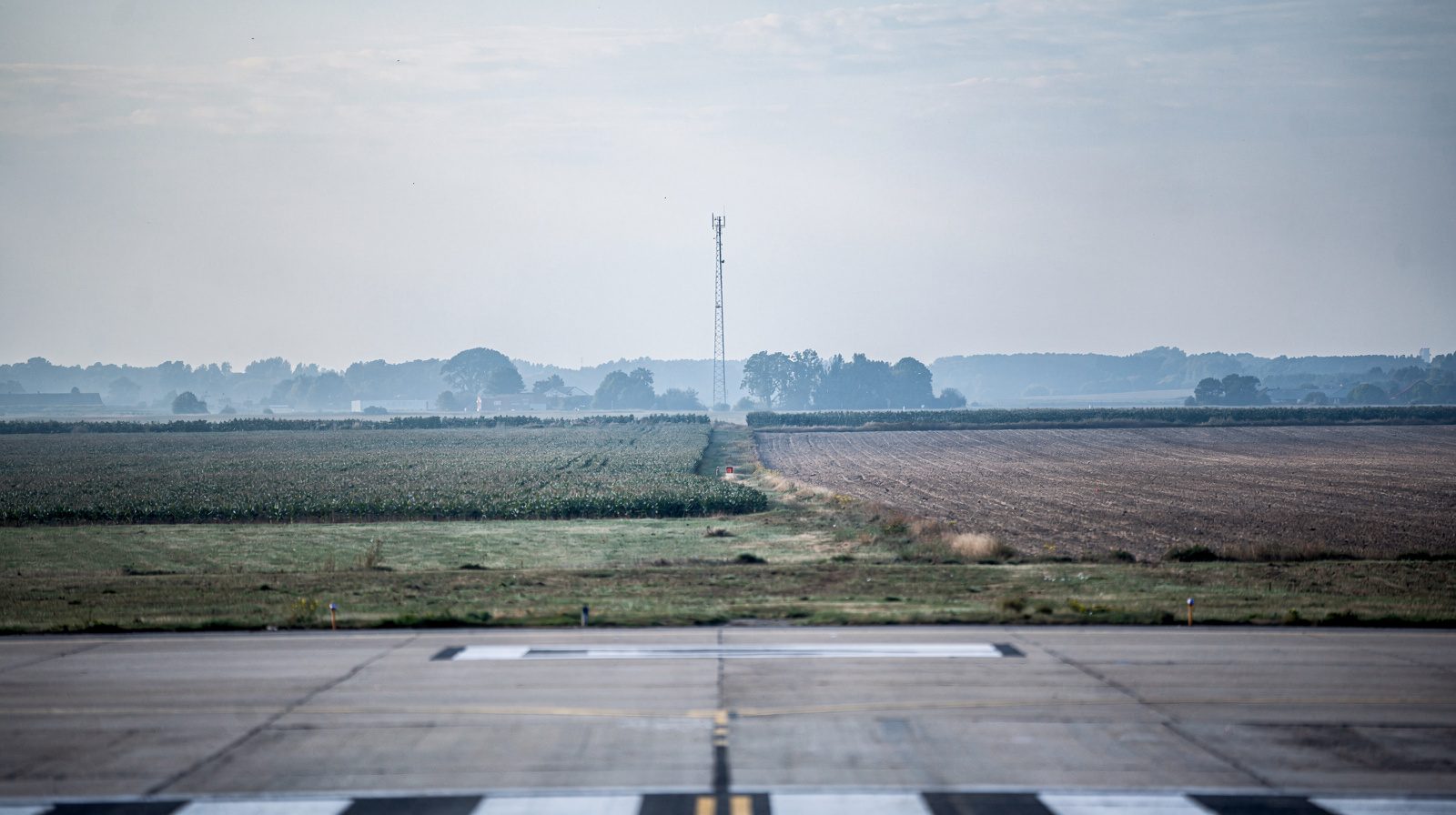
A clearway is a specifically defined, rectangular area beyond the end of a runway, kept free of obstacles and under the control of airport authorities. According to the International Civil Aviation Organization (ICAO) and the Federal Aviation Administration (FAA), a clearway is not for ground roll or any ground maneuvering, but for the airborne phase of takeoff. Its sole function is to enable departing aircraft to continue their initial climb to a specified height, should the physical runway alone be insufficient for safe takeoff performance.
The clearway is part of the “declared distances” system, vital for airport planning and aircraft performance. Its dimensions and use are strictly regulated to ensure safety, and it must remain clear of obstacles at all times. Unlike a stopway or runway safety area, the clearway is strictly an airborne safety feature.
Purpose and Operational Significance
The clearway’s main objective is to improve takeoff safety and performance, especially for large or heavily loaded aircraft, by providing a guaranteed, obstacle-free area for the initial climb. This is essential at airports where physical runway extension is impractical but where operational needs require longer takeoff distances.
A clearway allows the published Takeoff Distance Available (TODA) to exceed the runway’s actual length. For example, with a 9,000-foot runway and an 800-foot clearway, the TODA becomes 9,800 feet, which is critical for aircraft operating at maximum takeoff weights or in challenging terrain. Aircraft must be airborne before entering a clearway, it cannot be used for ground roll, rejected takeoff, or landing. The clearway does not influence Accelerate-Stop Distance Available (ASDA), Takeoff Run Available (TORA), or Landing Distance Available (LDA).
Regulatory Standards and Dimensional Requirements
Regulatory Framework
Clearway standards are defined by ICAO Annex 14 and FAA AC 150/5300-13B. These set the maximum clearway length at 1,000 feet (305 meters) or half the runway’s length, whichever is less, and the minimum width equal to or greater than the runway, with a minimum of 500 feet (152 meters).
Surface and Obstacle Criteria
The clearway can be paved, grass, gravel, or even water (for seaplane operations), as long as it is obstacle-free and accessible for emergency vehicles. No object may penetrate the clearway plane, except for frangible navigational aids.
Maintenance and Control
Airport operators must keep the clearway obstacle-free and inspect it regularly. Any encroachments, such as construction, vehicles, or wildlife, must be immediately removed. The clearway’s status must be accurately depicted in airport documentation and aeronautical publications.
Declared Distance System and the Clearway
Declared distances standardize runway use:
- TORA (Takeoff Run Available): Usable runway for ground run, clearway not included.
- TODA (Takeoff Distance Available): TORA plus clearway, clearway extends the airborne segment only.
- ASDA (Accelerate-Stop Distance Available): Runway and stopway suitable for a rejected takeoff, clearway not included.
- LDA (Landing Distance Available): Runway declared for landing, clearway not included.
Example
An airport with a 7,500-foot runway and 1,000-foot clearway declares:
- TORA: 7,500 ft
- TODA: 8,500 ft
- ASDA: 7,500 ft (or more if stopway exists)
- LDA: 7,500 ft
Clearway vs. Stopway and Runway Safety Area
| Feature | Purpose | Supports Aircraft? | Included in |
|---|---|---|---|
| Clearway | Airborne takeoff segment | No (airborne only) | TODA only |
| Stopway | Aborted takeoff deceleration | Yes (ground roll) | ASDA only |
| Runway Safety Area (RSA) | Excursion mitigation | Yes (limited) | Not in declared distances |
- Clearway: Only for airborne segment, never for ground use.
- Stopway: Prepared surface for rejected takeoffs, supports aircraft.
- RSA: Surrounds the runway to mitigate excursion risk, supports vehicles and aircraft in emergencies.
Clearway in Airport Planning and Design
Runway Design and Performance
Including a clearway is a strategic decision, often used when runway extension isn’t feasible. It allows airports to accommodate larger aircraft and maximize operational flexibility. Accurate clearway data must be published for pilots to calculate safe takeoff performance under varying weights and conditions.
Environmental and Practical Factors
Not all airports can have clearways, due to land, environmental, or regulatory constraints. Where possible, clearways provide significant operational benefits, but when removed, declared distances and operational procedures must be updated accordingly.
Standards, Certification, and Compliance
Regulatory compliance is mandatory for airports receiving federal funding or certification. All clearways must be included in the Airport Layout Plan (ALP) and regularly inspected. Any change in clearway status requires immediate notification to authorities and aviation data providers.
Associated Concepts and Related Terms
- Stopway: A paved or prepared area for rejected takeoff, included only in ASDA.
- Runway Safety Area (RSA): Surrounds the runway for excursion mitigation.
- Declared Distances: Standardized runway measurements for safe operations.
- Obstacle Free Zone (OFZ): Protected airspace beyond the runway for safe aircraft passage.
- Runway Protection Zone (RPZ): Trapezoidal ground area to protect people/property.
- Airport Improvement Program (AIP): FAA funding for infrastructure, including clearways.
Visual Reference
Example: Declared Distance Table
| Declared Distance | Value (ft) | Notes |
|---|---|---|
| TORA | 8,000 | Usable runway for ground run |
| TODA | 9,000 | Includes 1,000-ft clearway |
| ASDA | 8,500 | Includes 500-ft stopway |
| LDA | 8,000 | Runway from threshold to end |
Summary Table: Clearway Standards and Use
| Aspect | Description |
|---|---|
| Definition | Rectangular, obstacle-free area beyond runway end for airborne takeoff segment |
| Primary Purpose | Increases TODA by providing an area for initial climb after runway ground roll |
| Maximum Length | 1,000 feet (305 meters) or half the runway length |
| Minimum Width | Equal to or greater than runway width, minimum 500 feet (152 meters) |
| Surface | Prepared/natural, supports emergency vehicles, no obstacles above clearway surface |
| Control | Must be under airport operator control |
| Use in Calculations | Included in TODA, not in TORA, ASDA, or LDA |
| Relationship | Distinct from stopway (for rejected takeoff), RSA (for excursions), RPZ (land use protection) |
| Certification | Must comply with FAA AC 150/5300-13B for federally funded airports |
| Maintenance | Ongoing inspection and clearing of obstacles required |
Cross-References
- Stopway: Area for rejected takeoff, included in ASDA only.
- Runway Safety Area (RSA): Surrounds runway for excursion protection.
- Declared Distances: Standardized runway length values for planning and operations.
- Obstacle Free Zone (OFZ): Airspace kept clear for safe aircraft passage during takeoff and landing.
- Runway Protection Zone (RPZ): Ground area protecting people and property beyond the runway.
Further Reading
- ICAO Annex 14 – Aerodromes, Volume I
- FAA Advisory Circular AC 150/5300-13B – Airport Design
- Aeronautical Information Publications (AIP) relevant to your country
Clearways are foundational to safe, efficient airport operations and must be maintained in strict accordance with regulatory standards to ensure the safety of departing aircraft and the overall effectiveness of the runway environment.
Frequently Asked Questions
- What is the main purpose of a clearway at an airport?
- The clearway provides an obstacle-free area beyond the runway for the airborne phase of takeoff, allowing aircraft to safely continue initial climb and increasing the declared Takeoff Distance Available (TODA). It is essential for accommodating larger, heavier aircraft or operations where additional takeoff distance is needed.
- Does a clearway support ground rolls or rejected takeoffs?
- No. The clearway is not designed to support aircraft on the ground. Aircraft must be airborne before entering the clearway, it cannot be used for ground roll, aborted takeoff, or landing.
- How is a clearway different from a stopway?
- A stopway is a prepared area aligned with the runway, capable of supporting an aircraft during an aborted takeoff (rejected takeoff). Unlike a clearway, the stopway is included in Accelerate-Stop Distance Available (ASDA) calculations and is intended for ground use.
- What are the regulatory requirements for clearways?
- Clearways must comply with standards in ICAO Annex 14 and FAA AC 150/5300-13B, which specify maximum length (1,000 ft or half the runway length), minimum width (runway width, not less than 500 ft), obstacle clearance, and airport authority control.
- How are clearways depicted for pilots and planners?
- Clearways are shown in airport layout plans (ALPs) and published in aeronautical information publications (AIPs), but are not typically marked or lighted on the airfield. Pilots rely on published data for takeoff performance calculations.
This is a reference entry. TarmacView provides drone inspection services and doesn't sell the equipment or materials described in this glossary.