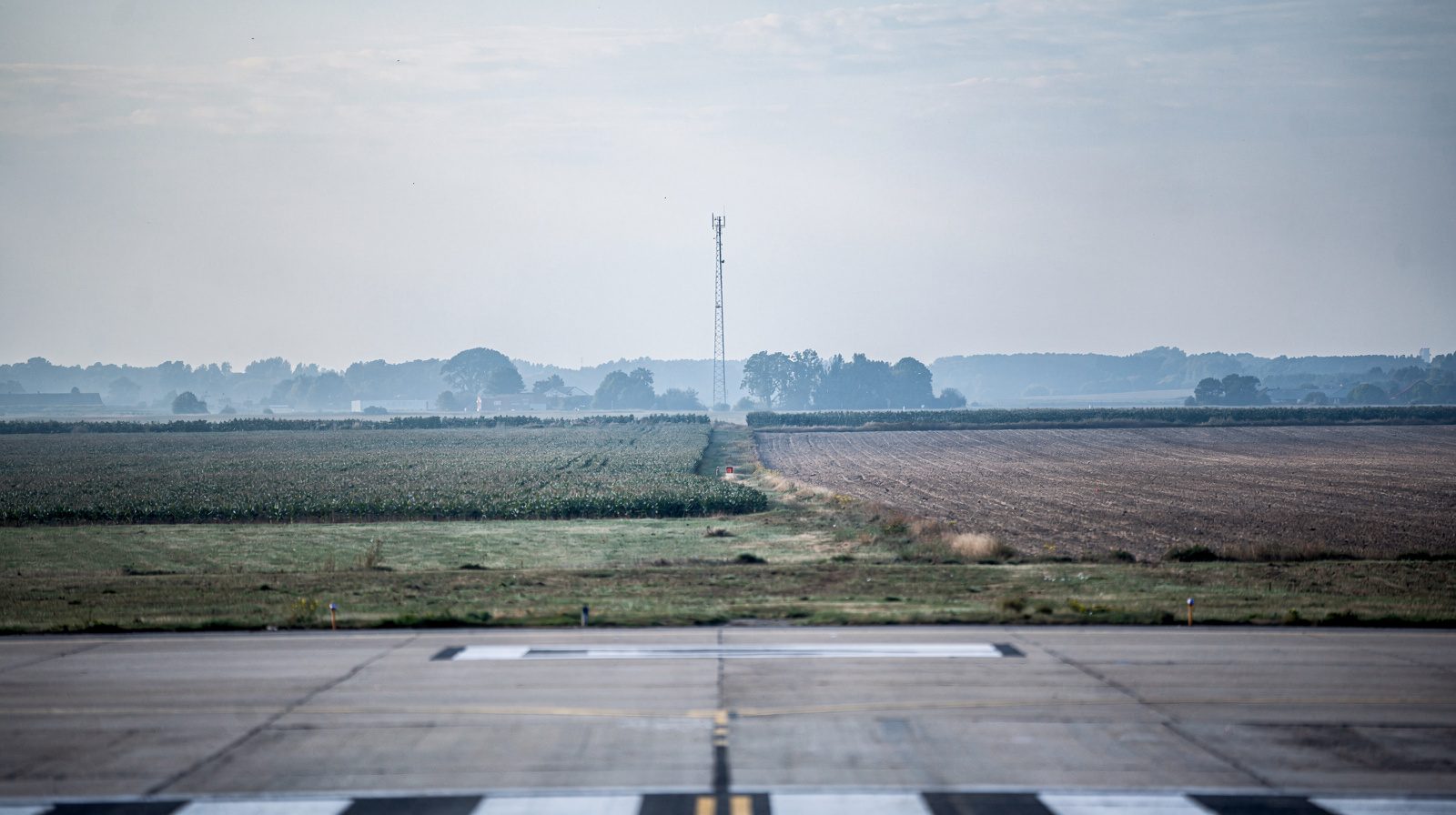
What is a Clear Zone?
Clear Zone and Related Airport Obstacle-Free Areas
Overview
A Clear Zone is a foundational component of airport safety and airfield design, established to provide an unobstructed area beyond the runway end. Its primary purpose is to minimize risks to aircraft during the most critical phases of flight, takeoff and landing, by ensuring that no obstacles, such as buildings, trees, or equipment, are present in this zone. The Clear Zone is carefully defined and regulated by aviation authorities like the Federal Aviation Administration (FAA) in the United States and the International Civil Aviation Organization (ICAO) globally.
The Clear Zone is not an isolated safety concept, but rather part of a layered system of obstacle-free areas and surfaces, each serving a specific role in protecting aircraft, airport personnel, and the surrounding community. Understanding how the Clear Zone interacts with other protected areas, such as the Runway Safety Area (RSA), Obstacle Free Zone (OFZ), Object Free Area (OFA), Runway Protection Zone (RPZ), and Obstacle Limitation Surfaces (OLS), is essential for airport operators, planners, and regulators.
This glossary entry provides a comprehensive overview of the Clear Zone and its relationship to other key obstacle-free areas, including regulatory background, practical management, and the broader impact on airport communities.
Clear Zone: Definition and Purpose
A Clear Zone is a fan-shaped area that begins at the end of a runway and extends outward, aligned with the runway’s approach path. Its primary requirement is that it remains free of obstacles, including permanent structures, vehicles, and vegetation, that could endanger aircraft during takeoff or landing. The Clear Zone serves multiple critical functions:
- Aircraft Safety: By keeping the approach and departure paths clear, it reduces the risk of collision with obstacles during the most vulnerable phases of flight.
- Protection of Ground Assets: It provides a buffer zone to safeguard people, buildings, and infrastructure on the ground from aircraft accidents or excursions.
- Noise and Land Use Control: Clear Zones often drive airport land acquisition and zoning restrictions, preventing incompatible development near runways.
Dimensions and Regulatory Basis
The size and shape of a Clear Zone are determined by regulations that consider the type of aircraft using the runway, the approach procedure (precision, non-precision, or visual), and environmental or local zoning constraints. In the U.S., FAA Advisory Circular 150/5300-13 defines a standard Clear Zone as extending 1,000 feet beyond the runway end, with widths ranging from 250 to over 500 feet depending on the runway’s use and aircraft size. ICAO Annex 14 offers similar, globally recognized standards.
Local authorities may adopt stricter rules. For example, some county ordinances require specific sloping surfaces within the Clear Zone and impose additional restrictions on vegetation and structures.
Management and Enforcement
Maintaining an effective Clear Zone requires coordinated action:
- Regular Inspections: Ongoing surveys to identify and remove or mitigate any obstacles.
- Zoning and Land Use: Enforcement of zoning laws or use of easements to prevent incompatible construction or activities.
- Stakeholder Coordination: Collaboration with landowners, developers, and local authorities to ensure compliance.
Nonconforming objects, those that violate Clear Zone restrictions, are typically subject to removal, trimming, or, if necessary, marking and lighting.
Related Obstacle-Free Areas
While the Clear Zone is a critical safety feature, airports benefit from a set of additional protected areas, each serving a unique role in airfield safety and operations.
Runway Safety Area (RSA)
The Runway Safety Area is a rectangular zone surrounding the runway, designed to minimize damage if an aircraft leaves the runway surface. It must be clear of obstacles and capable of supporting aircraft and emergency vehicles. For large runways, the RSA typically extends 500 feet in width and 1,000 feet beyond the runway end.
Obstacle Free Zone (OFZ)
The Obstacle Free Zone is a three-dimensional airspace volume protecting critical aircraft operations, especially during instrument approaches and departures. Only necessary, frangibly-mounted navigational aids are permitted in the OFZ, and access by vehicles or personnel is strictly controlled during aircraft operations.
Object Free Area (OFA)
The Object Free Area is a ground area centered on a runway or taxiway. It must remain clear of obstacles except for essential navigational aids and certain signage, providing a buffer for aircraft ground movements and excursions.
Obstacle Limitation Surfaces (OLS)
Obstacle Limitation Surfaces are a series of imaginary planes that set maximum height limits for obstacles around an airport. The OLS system helps protect all phases of flight, approach, landing, takeoff, and circling, by controlling vertical and horizontal space around the aerodrome.
Runway Protection Zone (RPZ)
The Runway Protection Zone is a trapezoidal ground area beyond the runway end, designed to protect people and property from aircraft that may overrun or undershoot the runway. The RPZ is subject to strict land use controls and often requires airport ownership or easements to prevent development.
Inner Horizontal Surface
This is a flat, imaginary plane above the airport, protecting aircraft engaged in circling or visual maneuvers. Any object that penetrates the inner horizontal surface is considered a hazard and must be evaluated for mitigation.
Precision Approach Runway Context
A Precision Approach Runway is equipped with advanced navigational and visual aids (such as ILS) to support safe landings in low-visibility conditions. These runways have the most stringent requirements for obstacle clearance, lighting, and protected areas, including Clear Zones, OFZs, and OLS, ensuring the highest levels of safety.
Regulatory Context
United States – FAA
The FAA’s Advisory Circulars and regulations (notably AC 150/5300-13 and 14 CFR Part 77) establish comprehensive standards for obstacle-free zones, including Clear Zones, RSAs, OFZs, OFAs, and RPZs. Airports receiving federal funding or subject to Part 139 certification must comply with these standards, and any deviations require risk assessments and FAA approval.
International – ICAO
ICAO Annex 14 sets global standards for obstacle limitation, obstacle surveys, and protected airspace areas, forming the basis for national regulations worldwide. ICAO’s guidance is supplemented by documents like Doc 8168 (PANS-OPS), which provides procedures for managing obstacles in instrument flight procedures.
Land Use and Community Impact
Clear Zones and related protected areas have significant influence on airport-adjacent land use and community planning:
- Zoning Restrictions: Prevents residential, commercial, or assembly uses within high-risk areas.
- Noise Abatement: Supports strategies for minimizing community exposure to aircraft noise.
- Airport Expansion: Dictates land acquisition and shapes long-term airport master plans.
Noncompliance or incompatible development in Clear Zones or RPZs can force operational restrictions or costly mitigation, underscoring the importance of proactive management and community engagement.
Best Practices for Airports
- Regular Surveying: Maintain up-to-date obstacle data through frequent inspections and surveys.
- Stakeholder Collaboration: Work with local governments, landowners, and developers to enforce zoning and easements.
- Education and Communication: Inform the public and stakeholders about the purpose and benefits of Clear Zones and related areas.
- Continuous Compliance: Adapt to evolving regulations, aircraft types, and operational needs through ongoing review of obstacle management programs.
Conclusion
The Clear Zone is a cornerstone of airport safety, forming the first line of defense against obstacles and ground hazards during critical flight operations. Together with other obstacle-free areas, RSAs, OFZs, OFAs, OLS, and RPZs, it creates a layered safety system that protects aircraft, airport personnel, and surrounding communities. Effective management of these areas requires regulatory compliance, diligent inspection, community collaboration, and a commitment to continuous improvement.
For airports seeking to enhance safety and operational reliability, robust Clear Zone management is not just a regulatory requirement, it is a best practice and a key to sustainable, community-friendly airport development.
Frequently Asked Questions
- What is a Clear Zone at an airport?
- A Clear Zone is a fan-shaped area located beyond the end of a runway, designed to remain free of obstacles that could pose a hazard to aircraft during takeoff and landing. Its dimensions and exclusion criteria are established by authorities such as the FAA and ICAO, and it plays a vital role in airport safety and land use planning.
- How is a Clear Zone different from a Runway Safety Area (RSA)?
- While both serve to protect aircraft and enhance runway safety, the Clear Zone is a specific area beyond the runway end intended to remain obstacle-free, primarily to protect aircraft during approach and departure. The RSA, by contrast, is a graded, load-bearing area adjacent to the runway that provides a buffer for aircraft that overrun, undershoot, or veer off the runway.
- What are Obstacle Free Zones (OFZ) and Object Free Areas (OFA)?
- The OFZ is a volume of airspace above parts of the runway and approach area, kept clear of obstacles (except for necessary, frangibly-mounted aids) to protect aircraft during critical flight phases. The OFA is a ground area centered on the runway or taxiway that must also remain clear of objects, except those required for navigation or aircraft operations.
- Who regulates Clear Zones and obstacle-free areas?
- In the United States, the FAA sets standards for Clear Zones and obstacle-free areas via Advisory Circulars and federal regulations. Internationally, ICAO Annex 14 provides the global framework, which is adopted and adapted by national aviation authorities worldwide.
- How do Runway Protection Zones (RPZ) and Obstacle Limitation Surfaces (OLS) relate to Clear Zones?
- The RPZ is a surface-based area beyond the runway, designed to protect people and property on the ground in the event of aircraft excursions. OLS are a set of imaginary surfaces regulating the maximum height of obstacles around an airport. Both RPZs and OLS complement Clear Zones in creating a layered approach to airfield safety.
- Why are Clear Zones important for airport communities?
- Clear Zones not only protect aircraft operations but also prevent hazardous development near airports, supporting safe land use and noise abatement. Compliance with Clear Zone requirements can influence zoning, property values, and community planning around airports.
This is a reference entry. TarmacView provides drone inspection services and doesn't sell the equipment or materials described in this glossary.