What is a glide path?
Glide Path – Comprehensive Glossary and Technical Overview
Definition and Core Concept
The glide path is the exact vertical trajectory an aircraft follows during the final approach to landing. This trajectory, typically a constant three-degree angle from the Final Approach Fix (FAF) to the runway threshold, is engineered for obstacle clearance, stabilized descent, and safe touchdown. It is foundational to both precision and non-precision approach procedures.
Glide path guidance is provided by several technologies:
- Instrument Landing System (ILS) glideslope transmitters (ground-based radio beams)
- Satellite-based systems such as Localizer Performance with Vertical Guidance (LPV) using WAAS
- Barometric Vertical Navigation (Baro-VNAV) solutions in modern flight management systems
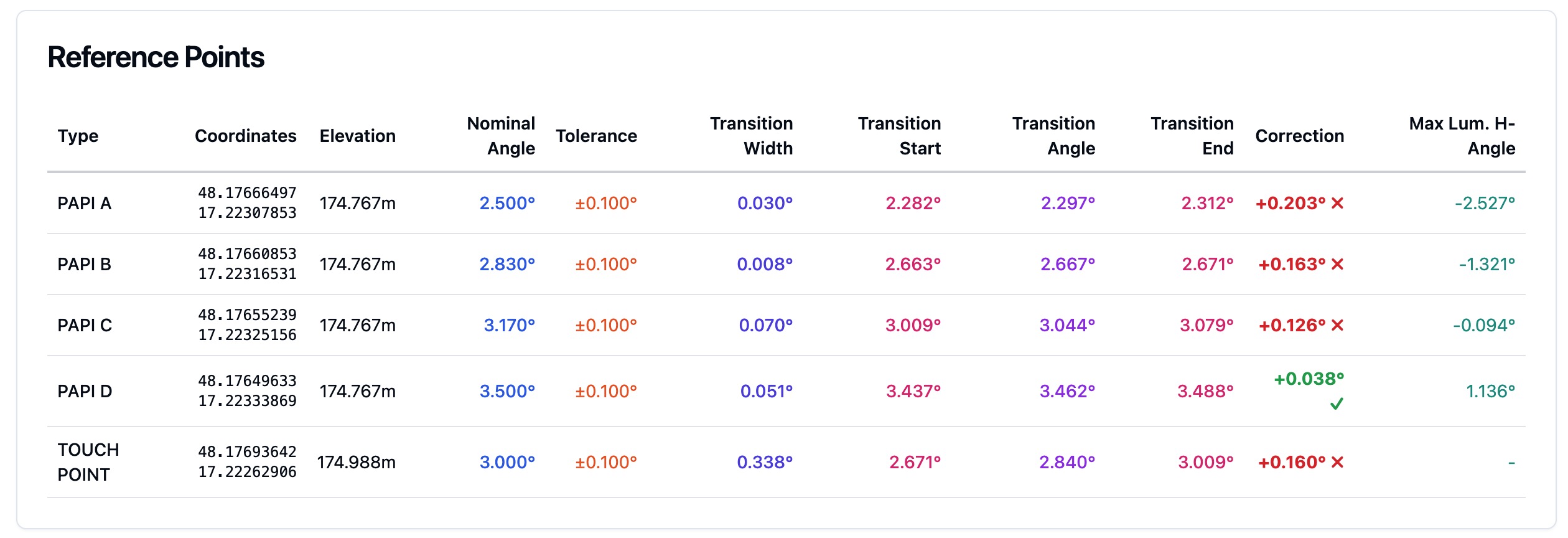
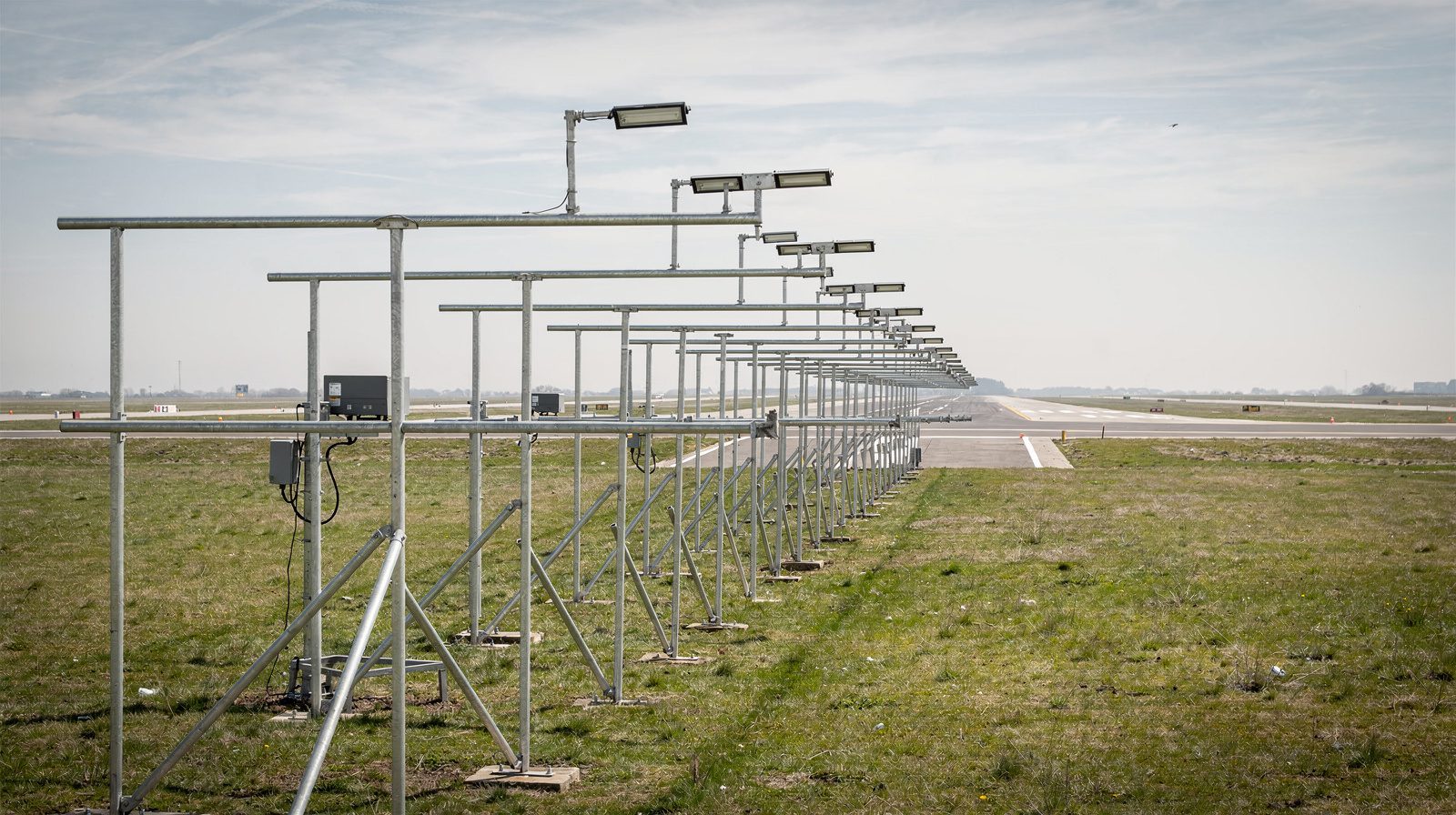
- Visual aids like Precision Approach Path Indicator (PAPI) and Visual Approach Slope Indicator (VASI)
Each ensures pilots (and autopilot systems) can monitor and maintain a trajectory aligned with published approach procedures. The accuracy and reliability of glide path guidance directly affect approach minima, establishing the lowest safe altitudes for landing or go-around.
ICAO and FAA regulations define the glide path as the vertical guidance component for both precision (e.g., ILS) and non-precision approaches, making it a cornerstone of safe, all-weather airport operations.
Principles and Mechanisms of Glide Path Guidance
Glide path guidance systems communicate a fixed descent angle, most often three degrees, enabling a stabilized approach profile and obstacle clearance. These systems include:
Ground-Based ILS Glideslope
- Transmitter Location: 750–1,200 feet from runway threshold, offset from centerline
- Frequency: 329.15–335.00 MHz
- Cockpit Display: Glideslope deviation needle
- Pilot/Autopilot Action: Adjust descent rate to keep the indicator centered
Satellite-Based Vertical Guidance (LPV/WAAS)
- Technology: GPS satellites + WAAS corrections
- Data: Final Approach Segment (FAS) data block in navigation database
- Display: Vertical deviation indicator, similar to ILS
- Minimums: Can be as low as 200 ft DA
Barometric Vertical Navigation (Baro-VNAV)
- Reference: Aircraft barometric altimeter (QNH setting and temperature compensation)
- System: Flight Management System (FMS) computes synthetic glide path
- Limitations: Sensitive to temp/pressure errors, higher minima required
Visual Glide Path Indicators (VGSI)
- Systems: PAPI, VASI
- Indication: Colored lights show above/below/on-path position
- Use Case: Visual conditions or as cross-check to electronic guidance
A stabilized approach via glide path guidance reduces pilot workload, enhances safety, and supports regulatory stabilized approach criteria. Modern autopilots can track the glide path to minima, further improving safety and operational efficiency.
Types of Vertical Approach Path Guidance
1. Instrument Landing System (ILS) Glideslope
ILS is the global standard for precision approach. Its glideslope transmitter emits a radio beam at a fixed angle (typically three degrees). Categories (Cat I, II, III) define increasingly lower minima and visibility requirements, with Cat III supporting near-zero visibility autoland operations. ILS requires precise calibration and protected areas to avoid signal interference.
2. RNAV (GPS) Approaches with Vertical Guidance
Localizer Performance with Vertical Guidance (LPV)
- GPS augmented by WAAS allows angular, ILS-like guidance
- Minima: As low as 200 ft DA, but not ICAO “precision” due to lack of ground monitoring
Lateral Navigation/Vertical Navigation (LNAV/VNAV)
- Vertical path: Linear, from GPS or barometric data
- Minima: Typically 250–400 ft DA, affected by temperature/pressure
LNAV+V / LP+V (Advisory Glide Paths)
- Advisory-only vertical path based on published descent angle
- Not obstacle-cleared, for situational awareness
3. Visual Glide Slope Indicators (VGSI)
PAPI and VASI provide direct visual feedback on approach angle. Pilots are required to follow VGSI indications in visual conditions unless a lower path is required for safety.
Comparative Analysis of Vertical Guidance Systems
| System | Guidance Source | Vertical Guidance | Minimums | ICAO Class | Aircraft Equipment | Notes |
|---|---|---|---|---|---|---|
| ILS | Ground-based | Precision (angular) | 50 ft DA (Cat III) | Precision Approach | ILS receiver | Autoland capable |
| LPV | GPS/WAAS | APV (angular) | 200 ft DA (min) | APV (not precision) | WAAS GPS | Not Cat II/III |
| LNAV/VNAV | GPS/Baro-VNAV | APV (linear) | 250–400 ft DA | APV (not precision) | Baro-VNAV FMS/WAAS GPS | Temp/pressure correction needed |
| LNAV | GPS | None (lateral only) | MDA (higher) | Non-precision | IFR GPS (RAIM) | Step-down fixes required |
| LP | GPS/WAAS | None (lateral only) | MDA | Non-precision | WAAS GPS | Used where vertical guidance limited |
| LNAV+V / LP+V | GPS/WAAS | Advisory only | MDA | Non-precision | WAAS GPS | Not for obstacle clearance |
Technology and Equipment Requirements
ILS
- Aircraft: ILS receiver, glideslope antenna
- Ground: Localizer, glideslope transmitters, marker beacons
- Limitations: Vulnerable to terrain, interference, requires regular calibration
GPS/WAAS
- Aircraft: IFR-approved GPS, WAAS-enabled for LPV/LP
- Integrity: RAIM (non-WAAS), WAAS provides real-time error correction
- Database: Must be current for LPV/LP approaches
Baro-VNAV
- Aircraft: FMS integrating barometric pressure and temperature
- Accuracy: Requires correct QNH/temp, cold weather corrections may limit use
Operational Procedures for Vertical Guidance Approaches
ILS Approach
- Tune and identify ILS frequency
- Intercept localizer and glideslope
- Descend on glideslope to published DA
- Land or initiate missed approach at DA if no visual contact
LPV Approach
- Load LPV procedure in FMS
- Confirm “LPV” annunciation before FAF
- Follow lateral/vertical cues to DA
- Land or go around at DA
LNAV/VNAV Approach
- Confirm Baro-VNAV enablement and QNH/temp settings
- Monitor FMS vertical path to DA
- Apply cold temperature corrections as needed
LNAV or LP (Non-Precision)
- Follow lateral tracks and step-down altitudes
- Level at each MDA until runway is in sight
LNAV+V / LP+V Advisory Path
- Use for stabilized descent
- Do not descend below step-down fixes/MDA until visual
Visual Glide Slope Indicators (VGSI): PAPI and VASI
Visual aids are critical for approach alignment in visual conditions. PAPI and VASI provide clear, color-coded feedback (e.g., two white/two red lights = on glide path). Pilots are required to follow these unless a lower altitude is needed for safety.
Regulatory Classifications and ICAO Standards
- Precision Approach (PA): ILS, GBAS (GLS)
- Approach with Vertical Guidance (APV): LPV, LNAV/VNAV
- Non-Precision Approach (NPA): LNAV, LP, VOR, NDB
ICAO Annex 10 and FAA guidelines specify technical/operational standards, including obstacle clearance and signal requirements.
Equipment Standards and Certification
- ILS: Certified receiver and pilot training required
- LPV/LNAV/VNAV: WAAS or Baro-VNAV certified avionics, current database, trained crew
- Operator: Must meet Minimum Equipment List (MEL) for intended approaches
Obstacles, Missed Approaches, and Safety Margins
Certified vertical guidance (ILS, LPV, LNAV/VNAV) ensures obstacle clearance within a protected airspace. Advisory paths do not. Every approach has a published missed approach procedure, coinciding with DA (precision) or MAP (non-precision).
Temperature and Altimeter Considerations
Cold temperatures cause barometric altimeters to under-read, risking terrain clearance. Baro-VNAV approaches may be prohibited below certain temps, pilots must apply corrections or use alternate minima as charted.
System Integrity and Failures
All systems include integrity monitoring, ILS will shut down if out of tolerance, WAAS can exclude faulty satellites, and RAIM alerts pilots to GPS anomalies. Pilots must be prepared to use alternate procedures or go around if integrity is lost.
Human Factors and Pilot Responsibilities
Pilots must always verify the type of guidance annunciated, monitor system health, apply necessary corrections, and comply with published minima and step-down fixes. Training and proficiency in all available guidance types are essential for safe, efficient instrument approaches.
By understanding the full technical and operational scope of the glide path, pilots, air traffic controllers, and airport planners ensure safe and efficient aircraft arrivals under all weather conditions. The choice and correct use of glide path guidance systems, ILS, LPV, Baro-VNAV, and visual aids, are fundamental to modern aviation safety and performance.
Frequently Asked Questions
- What is the purpose of the glide path in aviation?
- The glide path provides a standardized, obstacle-cleared vertical trajectory for aircraft during final approach, ensuring safe descent to the runway threshold, typically at a three-degree angle. This minimizes the risk of terrain collisions, supports stabilized approaches, and enhances landing safety for both pilots and passengers.
- How does the Instrument Landing System (ILS) provide glide path guidance?
- ILS employs a glideslope transmitter near the runway that emits a radio beam at a precise angle (commonly three degrees). Aircraft equipped with an ILS receiver interpret this signal and display guidance cues to the pilot, who adjusts the descent rate to remain on the glide path. Advanced autopilot systems can track the glideslope automatically, supporting precision approaches even in low visibility.
- What are the differences between ILS, LPV, and Baro-VNAV vertical guidance?
- ILS is a ground-based system providing angular, precision vertical and lateral guidance. LPV uses GPS with WAAS augmentation to create a virtual glide path, closely mimicking ILS but with satellite technology. Baro-VNAV generates a vertical path using barometric altitude data, requiring accurate temperature and pressure inputs. Each system has distinct minimums, equipment needs, and regulatory classifications.
- When should pilots use visual glide slope indicators like PAPI or VASI?
- Pilots should use visual glide slope indicators (PAPI, VASI) during visual approaches, or as a cross-check for electronic guidance. These systems provide instant visual feedback on the aircraft’s position relative to the optimal glide path, enhancing approach stability and safety, especially when electronic guidance is unavailable or inoperative.
- What is the significance of approach minima such as DA, MDA, and RVR?
- Approach minima define the lowest altitudes (Decision Altitude, DA, Minimum Descent Altitude, MDA) and visibility (Runway Visual Range, RVR) at which a landing can be safely attempted using a particular approach procedure. These minima are determined by the precision and integrity of the guidance system, obstacle clearance requirements, and aircraft/crew certification.
This is a reference entry. TarmacView provides drone inspection services and doesn't sell the equipment or materials described in this glossary.