What is a drain in airport infrastructure?
Definition
A drain in the context of airport infrastructure is any engineered component or system designed to collect, convey, and discharge surface or subsurface water from paved surfaces, runways, taxiways, aprons, roadways, and parking lots. The overarching aim is to maintain dry, safe, and structurally sound pavements, which are essential for the safe and continuous operation of aircraft and support vehicles.
Drains and drainage systems in airports combine surface and subsurface solutions: open channels, grated inlets, slot drains, culverts, and subsurface pipes. Their effectiveness is measured by how rapidly they remove water, minimizing hydroplaning risks, limiting pavement damage, and preventing water accumulation that could attract wildlife or create environmental hazards.
International standards (e.g., ICAO Annex 14, FAA Advisory Circulars) set strict guidelines for design, capacity, and maintenance to address high loads, chemical exposure, and complex environmental challenges. The selection and placement of drains depend on rainfall, slope, soil, aircraft loading, and environmental rules, making drainage a specialized field within airport civil engineering.
Purpose and Importance
Safety and Operational Continuity
Water accumulation on airport pavements can lead to hydroplaning, where a thin layer of water causes aircraft tires to lose contact with the surface, reducing braking and directional control. This risk is acute on runways and high-speed taxiways. Efficient drainage minimizes this hazard, keeping operations safe.
Standing water can cause flight delays, cancellations, or closures. Rapid removal of stormwater allows for prompt resumption of operations after precipitation, supporting the airport’s vital transportation role.
Pavement Longevity
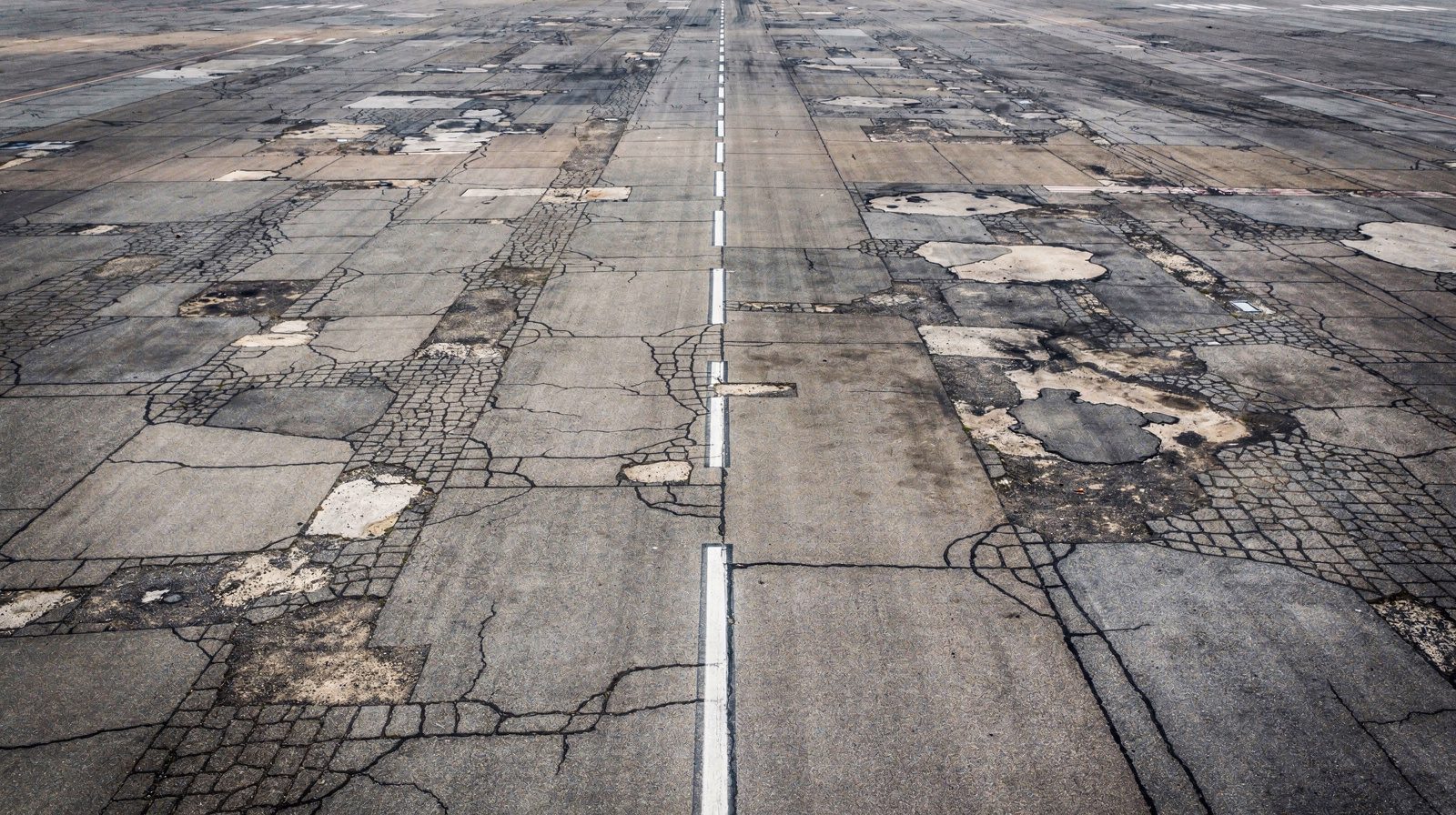
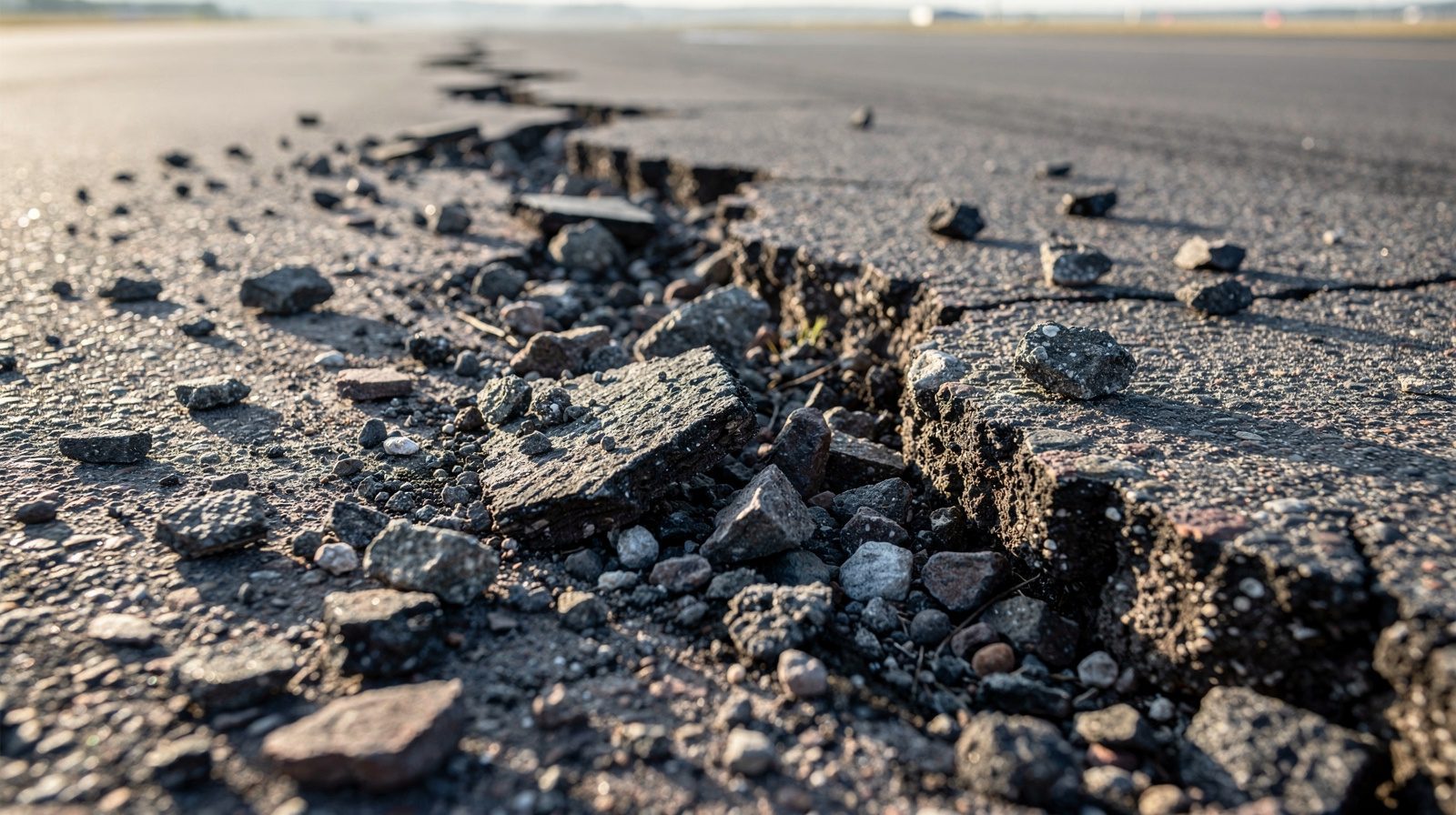
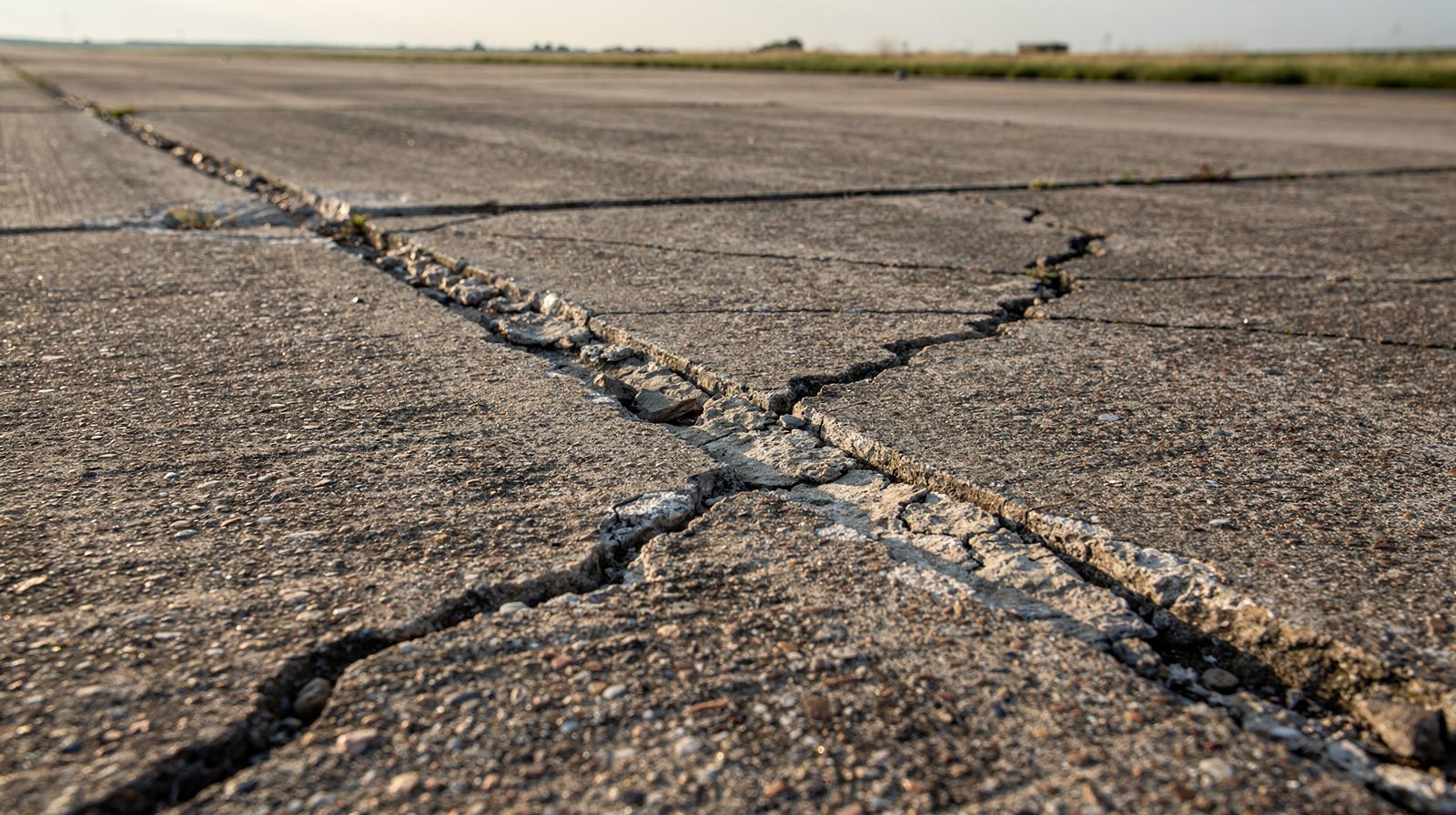
Water infiltrates cracks and joints, weakening pavement and subgrade, accelerating cracking, rutting, potholes, and, in cold climates, frost heave. Drains protect the pavement structure, extending its lifespan and reducing costly repairs.
Wildlife Hazard Mitigation
Pooled water attracts birds and other wildlife, increasing the risk of aircraft strikes. Effective drainage eliminates habitats and feeding grounds, reducing wildlife presence in airside zones.
Environmental Protection
Airport runoff can contain fuels, oils, de-icing chemicals, and pollutants. Drainage systems channel water through treatment devices before discharge, ensuring compliance with environmental regulations and minimizing ecological impacts.
Regulatory Compliance
Robust, well-documented drainage systems are required by authorities (FAA, ICAO, local agencies). Non-compliance can result in fines, operational restrictions, or reputational harm.
Components of Airport Drainage Systems
- Surface Drainage Channels: Trench drains, slot drains, and grated channels along pavement edges, designed for heavy loads and chemical resistance.
- Subsurface Drains: Perforated pipes or drainage blankets beneath pavements intercept water that infiltrates through surfaces.
- Catch Basins and Inlets: Entry points for water, located at low spots or along drainage paths, designed to trap debris and sediment.
- Culverts: Large pipes or boxes conveying water beneath runways, taxiways, or roads, designed for structural loads and hydraulic capacity.
- Outlet Structures: Where the system discharges into natural or engineered receiving waters, often with energy dissipation and water quality features.
- Fuel/Water Separators and Silt Boxes: Used in high-risk areas to intercept and treat contaminated runoff.
Types of Drainage Systems
Surface Drainage Systems
First line of defense, these systems intercept and channel water before it can pond or infiltrate. Design is influenced by pavement slope, rainfall, and operational needs.
- Trench Drains: High-capacity channels parallel to runways/taxiways.
- Slot Drains: Minimal surface opening, ideal for aprons and terminal areas.
- Grated Channels: For areas where pedestrian safety and accessibility are priorities.
Routine maintenance is critical to prevent blockages and ensure performance.
Subsurface Drainage Systems
Installed beneath pavement to intercept infiltrated water, protecting subgrade from saturation and freeze-thaw damage. Common elements include perforated collector pipes and drainage blankets, usually made from HDPE, concrete, or geosynthetics. Crucial in wet climates or where groundwater is high.
Linear/Trench Drainage
Continuous channels (with or without grates) installed along pavement edges or in large apron zones. Choose slot-type in high-speed areas to minimize FOD risks. Hydraulic capacity based on channel size, slope, and rainfall intensity.
Slot Drains
Narrow, surface-level slot leading to a subsurface channel. Ideal for smooth, unobstructed surfaces. Reduces FOD risk and maintenance, common in aprons and taxiways.
Grated Drainage Channels
Channels with removable grates, allowing water entry and debris exclusion. Used in both airside and landside areas. Grates must be strong (ductile iron, stainless steel), securely locked, and ADA-compliant where needed.
Catch Basins and Inlets
Point structures at low spots or intersections, with sumps for debris and sediment collection. Essential for preventing downstream blockages and pollutant discharge.
Culverts
Large pipes or box structures carrying water beneath infrastructure. Must handle high flows, heavy loads, and resist corrosion. Materials include reinforced concrete, HDPE, and corrugated metal.
Design Requirements and Considerations
Load-Bearing Capacity
Drains in airside areas must withstand extreme aircraft loads (often >900 kN, EN 1433 F900 or equivalent). High-strength materials and secure locking mechanisms are essential.
Hydraulic Capacity
Systems are sized for design storms (5-, 10-, or 100-year events), with strict limits on water spread to prevent hydroplaning. Hydraulic modeling ensures channels and pipes can handle peak flows.
Material Selection
Materials must resist heavy loads, de-icing chemicals, fuels, and freeze-thaw cycles. Choices include ductile iron, high-performance concrete, stainless steel, and HDPE.
Environmental and Regulatory Compliance
Systems must treat pollutants and comply with permits. Features may include oil-water separators, sedimentation tanks, and retention basins. Documentation and regular reporting are often required.
Wildlife Hazard Mitigation
Avoid standing water and features that attract wildlife, following ICAO and FAA wildlife management guidelines.
Maintenance and Accessibility
Design for easy inspection and cleaning, removable grates, access covers, and inspection ports. Maintenance schedules based on regulations and operational needs.
Regulatory Standards and Guidelines
- FAA Advisory Circular 150/5320-5D: U.S. guidance on airport drainage design, including performance, materials, and modeling.
- ICAO Annex 14: International standards for airport design and operations, including drainage.
- Local/State Regulations: May specify additional requirements for water quality, flood control, and environmental impact.
Conclusion
Drains are vital to airport safety, pavement durability, wildlife management, and environmental compliance. Their design, construction, and maintenance require specialized engineering knowledge, rigorous adherence to standards, and ongoing operational vigilance. As climate patterns shift and aircraft grow larger, the importance of robust airport drainage will only increase.
For tailored drainage solutions and consultation, contact our airport engineering team .
Frequently Asked Questions
- Why is drainage critical in airport infrastructure?
- Drainage is essential in airports to prevent water accumulation on runways, taxiways, and aprons. Standing water can cause hydroplaning, increase wildlife hazard risks, accelerate pavement deterioration, and disrupt operations. Effective drainage systems maintain safety, reduce maintenance costs, and ensure regulatory compliance.
- What are the main types of drains used at airports?
- Key drainage elements include surface systems (trench drains, slot drains, grated channels), subsurface drains (perforated pipes, drainage blankets), catch basins, inlets, and culverts. Each type addresses specific needs, such as rapid water removal, debris exclusion, load tolerance, and pollutant management.
- How are airport drains designed to handle aircraft loads?
- Drains in airside areas must withstand extreme loads from aircraft and service vehicles. They are rated with the highest load classes (e.g., EN 1433 F900), constructed with materials like ductile iron or reinforced concrete, and feature secure grate locking mechanisms for safety and durability.
- How do airport drainage systems protect the environment?
- Airport drains often include treatment devices like oil-water separators and sedimentation chambers to remove fuel, oil, de-icers, and other pollutants before discharge. Systems are designed to comply with environmental regulations, prevent contamination of local water bodies, and minimize ecological impact.
- Which standards guide the design of airport drainage?
- Standards include the FAA Advisory Circular 150/5320-5D for US airports and ICAO Annex 14 internationally. These documents specify design storm criteria, hydraulic capacity, material requirements, maintenance protocols, and environmental safeguards.
This is a reference entry. TarmacView provides drone inspection services and doesn't sell the equipment or materials described in this glossary.