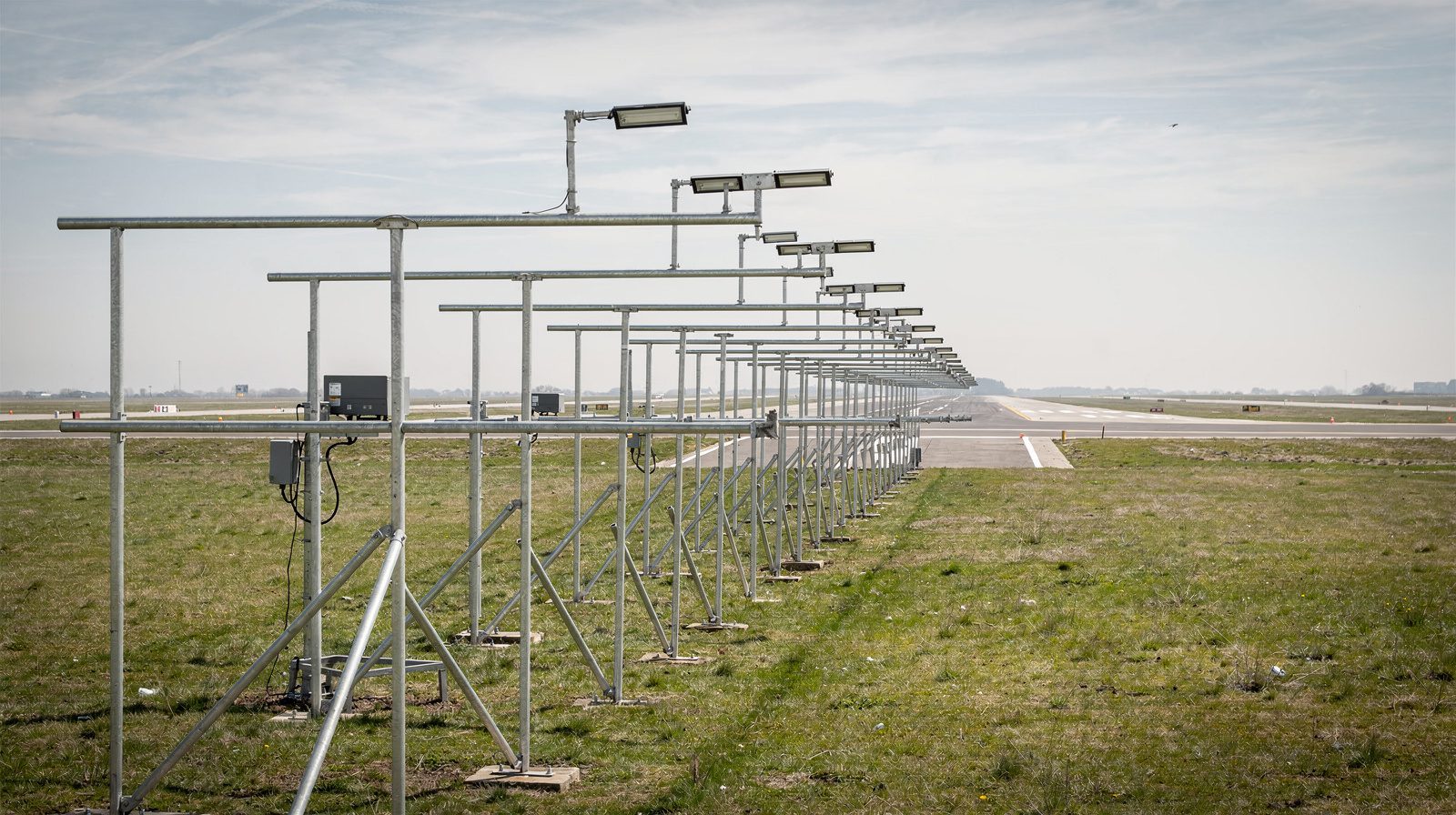
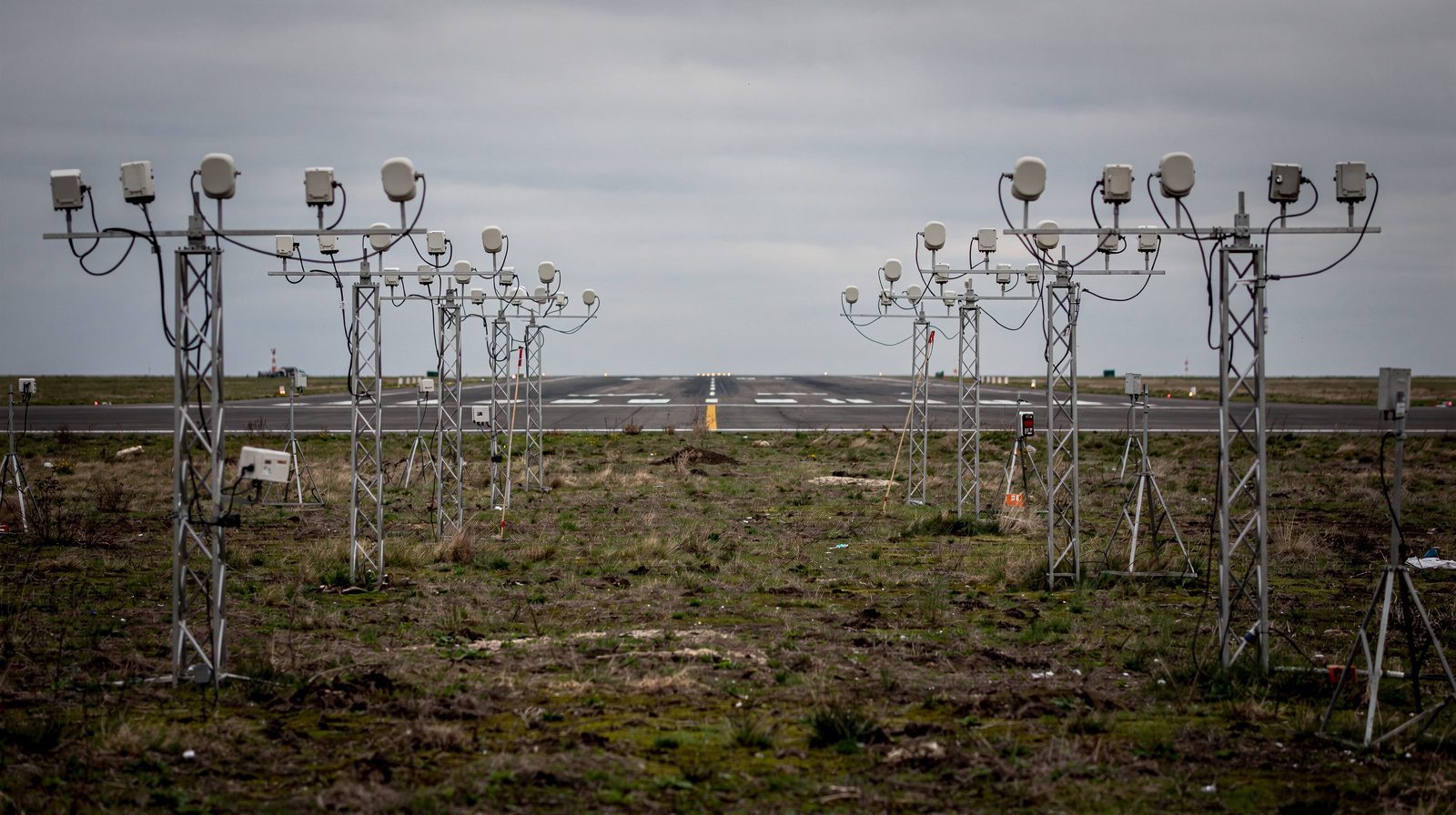
What is a fixed light in airport lighting?
Definition and Core Characteristics
A fixed light in airport lighting is any ground-installed aeronautical light that emits a continuous, non-flashing beam of illumination. As defined by the International Civil Aviation Organization (ICAO) Annex 14 and the Federal Aviation Administration (FAA), a fixed light remains illuminated whenever powered, providing a stable, unwavering visual signal to pilots, vehicle operators, and ground staff. Unlike flashing or sequenced lighting, fixed lights are designed to mark the precise geometry of airport infrastructure, supporting critical operational awareness and safe navigation.
Fixed lights delineate the spatial layout of the airfield, including runway and taxiway edges, centerlines, thresholds (start of the runway), runway ends, touchdown zones, and obstacles. Their continuous operation ensures that pilots and ground vehicles always have a reliable reference, particularly crucial during approach, landing, takeoff, and taxiing, especially in darkness or low-visibility conditions.
While technology has evolved from incandescent bulbs to LEDs, the fundamental requirement of fixed lights remains unchanged: they must deliver a continuous, reliable, and unambiguous visual cue. This eliminates ambiguity, reduces misinterpretation risks, and directly enhances the safety of airport operations.
Purpose and Function in Airport Operations
Fixed lights are the backbone of any airport lighting system, offering unambiguous visual cues that define runway and taxiway geometry, operational boundaries, and critical zones. Their continuous illumination supports pilots and ground personnel during all phases of aircraft movement, approach, landing, takeoff, and taxiing, by providing static, instantly recognizable references, regardless of weather or visibility.
Key functions of fixed lights include:
- Marking boundaries: Runway and taxiway edge lights prevent unintended excursions and maintain correct alignment.
- Defining thresholds and ends: Green threshold lights indicate the start of the usable landing surface, red runway end lights signal the termination point.
- Guiding touchdown and rollout: Touchdown zone and centerline lights help pilots identify optimal touchdown points and maintain alignment.
- Supporting ground operations: Taxiway and obstacle lights guide vehicles and personnel, reducing the risk of runway incursions.
The steady-burning nature of fixed lights ensures continuous feedback, minimizing the risk of confusion that could arise with flashing or sequenced lights, especially in complex or low-visibility environments.
Color Coding and Placement
The color, intensity, and placement of fixed lights are strictly regulated by ICAO Annex 14 and FAA standards to ensure universal recognition and operational safety. Each color conveys a specific operational meaning:
- White: Main runway edge lights, centerlines, touchdown zones, indicating usable surfaces.
- Green: Runway thresholds and taxiway centerlines, signifying the start of safe movement areas.
- Red: Runway ends, stop bars, and obstructions, warning of hazards or the end of usable areas.
- Blue: Taxiway edges, differentiating taxiways from runways.
- Yellow (amber): Caution zones, used for the last 600 meters (2,000 feet) or half the runway length, whichever is less.
Placement Examples
- Runway edge lights: Positioned no more than 60 meters (200 feet) apart, symmetrically along both sides.
- Threshold/end lights: Green and red, respectively, installed perpendicularly across the runway width.
- Taxiway lights: Blue edge lights and green centerline lights, spaced at regular intervals.
This standardized color and placement system allows pilots and ground staff to quickly and confidently interpret visual information, regardless of location or familiarity with the specific airport.
Airport Fixed Light Types: Summary Table
| Light Type | Color(s) | Placement/Location | Function |
|---|---|---|---|
| Runway Edge Lights | White (main), Yellow (caution), Red (end) | Along runway edges | Define lateral runway limits, guide landing/takeoff |
| Threshold Lights | Green | Across runway threshold (approach end) | Indicate start of landing surface |
| Runway End Lights | Red | Across runway end (departure end) | Indicate end of usable runway |
| Runway Centerline Lights | White, Red/White, Red | Centerline, embedded | Alignment and distance-to-end guidance |
| Taxiway Edge Lights | Blue | Along taxiway edges | Delineate taxiway boundaries |
| Taxiway Centerline Lights | Green | Centerline, embedded | Taxiing guidance |
| Touchdown Zone Lights (TDZL) | White | Either side of centerline, first 900m | Mark touchdown area on precision runways |
| Approach Lights (steady elements) | White, Red, Yellow | Approach area | Visual alignment for runway approach |
| Obstruction Lights (fixed) | Red | Obstacles/structures | Warn of hazards |
| Precision Approach Path Indicator | White/Red | Beside runway, in PAPI unit | Glide slope information |
Regulatory Standards
The installation, operation, and maintenance of fixed airport lighting is governed by several key standards:
- ICAO Annex 14, Volume I: International specifications for fixed lighting color, intensity, placement, and photometric performance.
- FAA Advisory Circular 150/5340-30J: U.S. technical requirements for spacing, color, intensity, and maintenance.
- ANSI/IES RP-37-22: Guidelines for outdoor airport lighting design, including environmental and photometric considerations.
- FAA AIM Chapter 2, Section 1: Operational guidance for interpreting fixed lighting systems.
Compliance ensures fixed lights function reliably, deliver correct cues in all environments, and can be universally interpreted.
Operational Considerations
- Night and Low-Visibility: Fixed lights are essential for safe operations in darkness, fog, or precipitation, always offering a visible reference.
- Maintenance: Regular checks and redundant circuits ensure reliability, automated monitoring detects failures for prompt repair.
- Intensity Control: Adjustable brightness (via ATC or pilot control) adapts to ambient conditions, preventing glare and enhancing clarity.
- Environmental Impact: Shielding and modern standards minimize glare and light trespass.
- Integration with Procedures: Stop bars and lighting intensity often coordinated with air traffic control and weather conditions for maximum safety.
Comparison: Fixed vs. Flashing/Sequenced/Variable Lighting
| Lighting Type | Illumination Pattern | Use Cases | Examples |
|---|---|---|---|
| Fixed Lights | Continuous | Runway/taxiway edges, thresholds, obstacles | Runway Edge, Centerline, PAPI |
| Flashing Lights | Intermittent flashes | Draw attention, warnings | REIL, Obstruction lights |
| Sequenced Flashing | Timed, sequential | Approach systems | ALSF-1, ALSF-2 |
| Variable Intensity | Adjustable brightness | Adapt to day/night or visibility | HIRL, MIRL, LIRL |
Fixed lights provide steady, unambiguous references. Flashing/sequenced lights attract attention or provide time-based guidance.
Detailed Breakdown of Major Fixed Light Types
Runway Edge Lights
Continuous, omnidirectional or bidirectional lights installed along both sides of the runway. White for most of the runway, transition to yellow in caution zones (last 600m or 2,000ft), and red at the runway end. Spaced max 60m (200ft) apart, low profile for safety. Intensity can be high, medium, or low (HIRL, MIRL, LIRL).
Threshold Lights
Green, unidirectional lights across the approach end threshold, visible to arriving aircraft. In some cases, bidirectional (green to arrivals, red to departures). Mark the safe landing start point.
Runway End Lights
Red, unidirectional lights across the departure end, visible only from within the runway, marking the end of usable runway.
Runway Centerline Lights
Embedded along runway centerline. White for most of the runway, alternating red/white for the next-to-last 600m (2,000ft), red for the last 300m (1,000ft). Provide alignment and indicate remaining runway length.
Taxiway Edge & Centerline Lights
Blue edge lights outline taxiway boundaries, green centerline lights embedded along the taxiway center. Spacing per standards (15–30m), used for safe ground movement, especially vital in low-visibility.
Touchdown Zone Lights (TDZL)
Paired white light bars beside runway centerline, extending 900m (3,000ft) or to the midpoint. Mark optimal touchdown zone for precision landings.
Approach Lighting (Steady Elements)
Approach systems often combine flashing and fixed lights. Steady-burning (fixed) elements are white, red, or yellow, providing alignment/descent cues during approach.
Precision Approach Path Indicator (PAPI)
Four fixed light units beside the runway. Each displays red or white, giving glide slope information based on the pilot’s approach angle.
Summary
Fixed lights are foundational to airport safety, providing constant, clear visual references for pilots and ground personnel. Their color, placement, intensity, and operational reliability are strictly regulated to ensure universal understanding and high visibility in all weather and lighting conditions.
If you’re tasked with airport operations, maintenance, or airfield planning, ensuring the correct implementation and upkeep of fixed lighting systems is critical to safe, efficient, and compliant airport performance.
For further guidance on fixed light systems, compliance, and airfield lighting solutions, contact our airport lighting experts .
Frequently Asked Questions
- What is a fixed light at an airport?
- A fixed light is a non-flashing, continuously illuminated light used to mark important features on an airfield, such as runway edges, thresholds, taxiway boundaries, and obstacles. It provides a stable visual reference for pilots and ground vehicles, enhancing safety and navigation.
- How do fixed lights differ from flashing lights at airports?
- Fixed lights emit a constant, steady beam, while flashing lights blink or pulse at defined intervals. Fixed lights provide unambiguous, continuous guidance (ideal for marking boundaries or alignment), whereas flashing lights are used to draw attention to specific hazards, runway ends, or for approach guidance.
- Where are fixed lights used on an airport?
- Fixed lights are used along runway edges, centerlines, thresholds, runway ends, taxiway edges and centerlines, touchdown zones, approach paths, and to mark obstacles or hazards. Each type is color-coded and placed according to strict international standards for safety and clarity.
- What standards regulate the installation and maintenance of fixed lights?
- Fixed lights must comply with regulations from organizations such as ICAO (Annex 14), the FAA (Advisory Circulars), and ANSI/IES standards. These rules specify color, intensity, placement, and operational requirements to ensure universal recognition and reliable performance.
- Why are fixed lights important for airport safety?
- Fixed lights offer clear, continuous visual cues needed for safe aircraft operations during night, fog, or low-visibility conditions. Their reliability reduces the risk of runway incursions, misalignment, or confusion, supporting both pilots and ground personnel.
This is a reference entry. TarmacView provides drone inspection services and doesn't sell the equipment or materials described in this glossary.