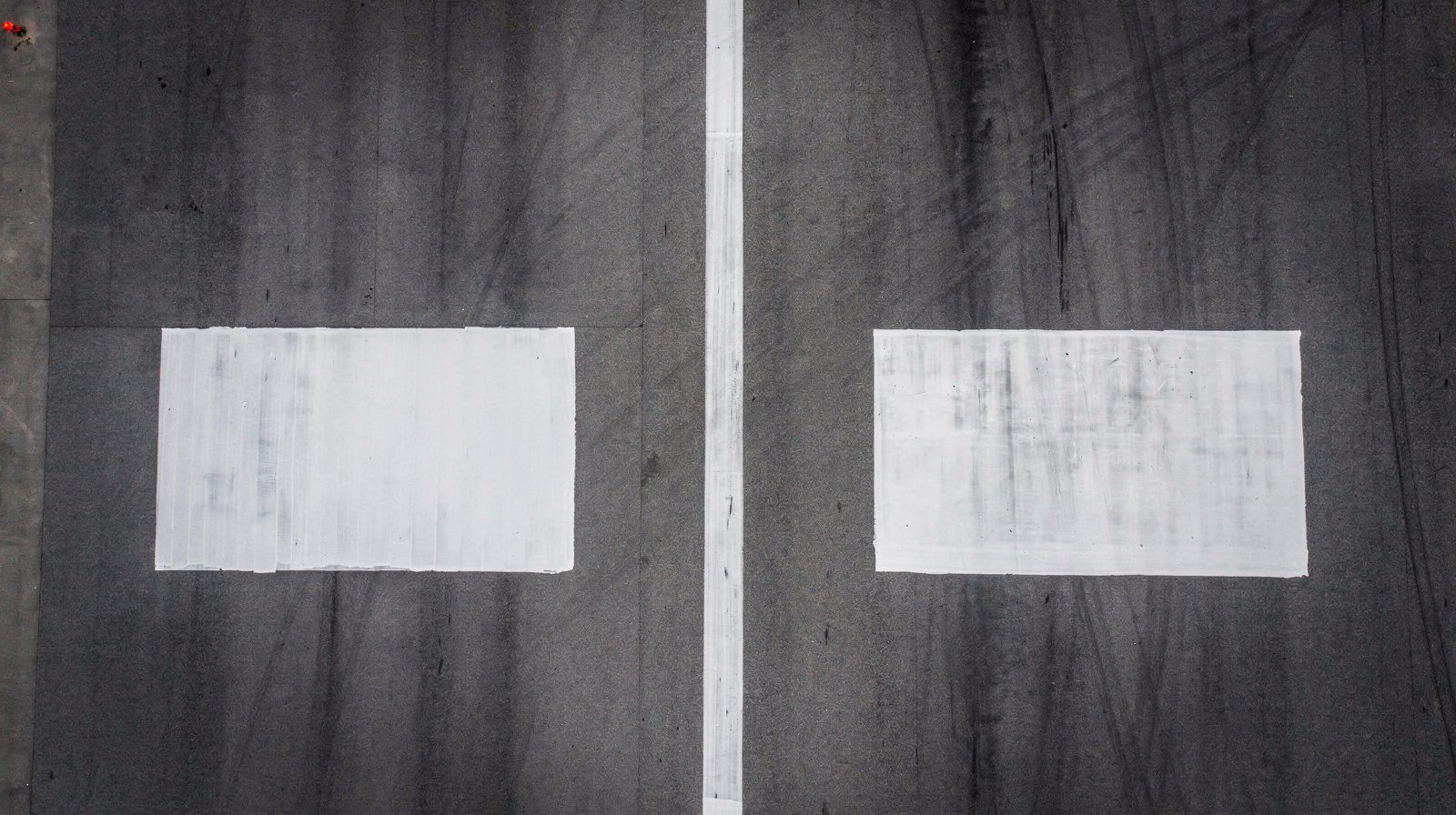
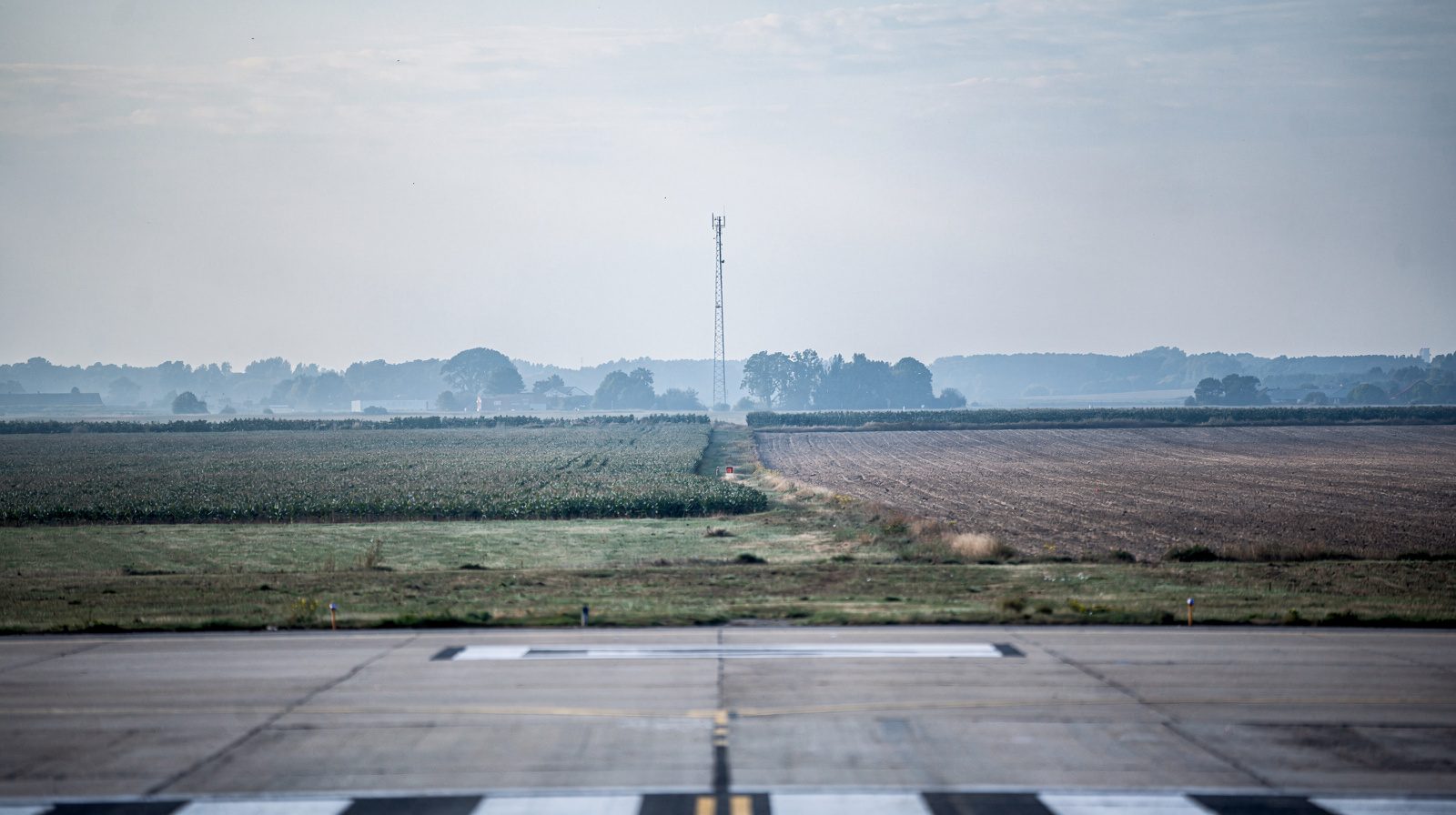
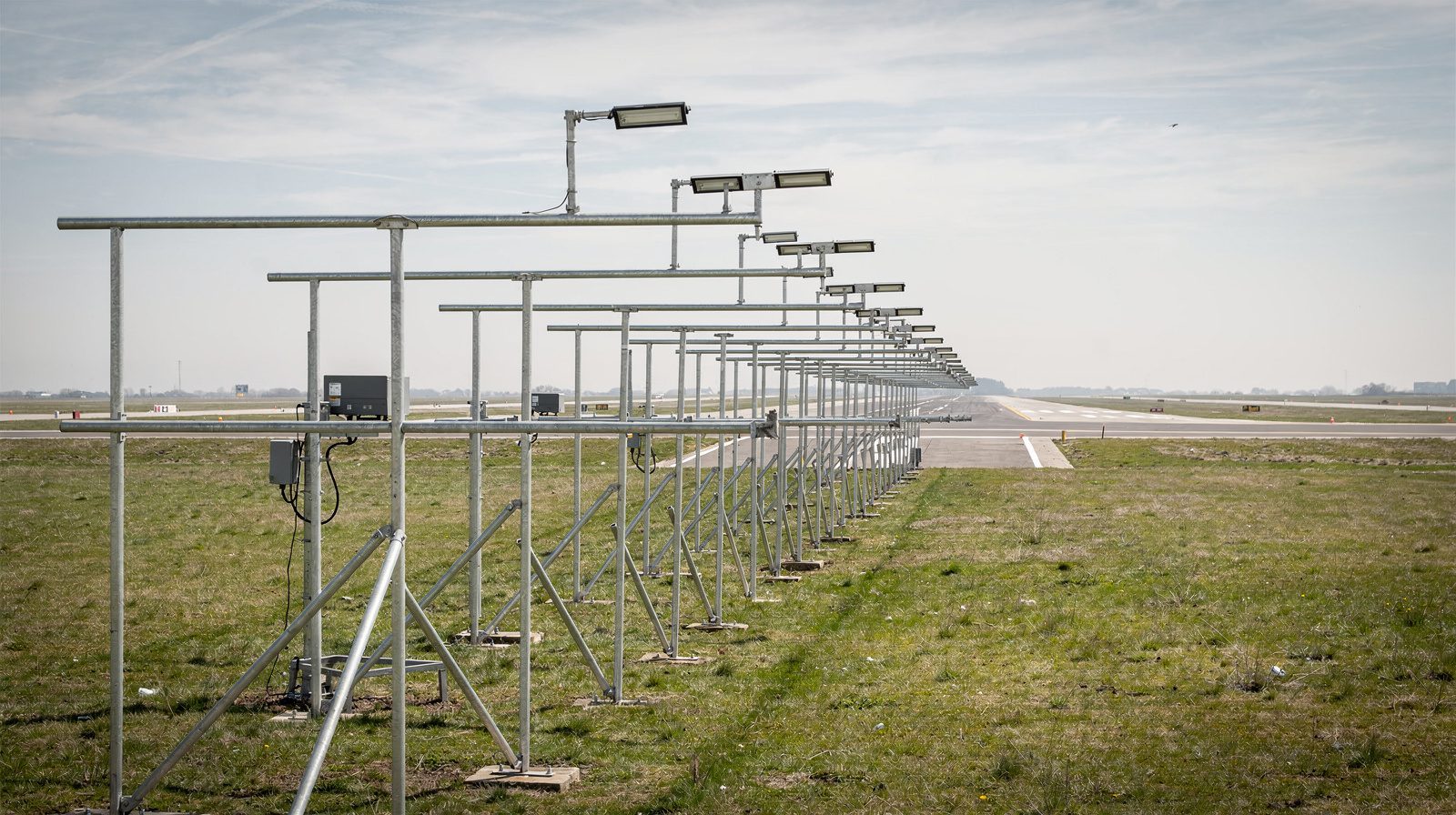
What is SMGCS?
Surface Movement Guidance and Control System (SMGCS)
Introduction
The Surface Movement Guidance and Control System (SMGCS) is a structured framework of integrated visual aids, electronic surveillance, procedural controls, and operational strategies that enable the safe, efficient, and orderly movement of aircraft and vehicles on airport surfaces. SMGCS is especially critical during low visibility operations (LVO), such as fog, rain, snow, or nighttime conditions, where visual cues are compromised. Mandated by international and national aviation authorities, such as ICAO and the FAA, SMGCS encompasses lighting, marking, radar-based surveillance, conformance monitoring, and detailed procedural guidance.
Through its layered approach, SMGCS allows major airports to reduce the risk of runway incursions, ground collisions, and movement errors, maintaining capacity and safety in challenging operational environments. Its implementation is tailored to each airport’s unique layout, traffic, and climatological challenges, and it requires the close collaboration of air traffic controllers, pilots, ground vehicle operators, and airport authorities.
Abbreviations
| Abbreviation | Definition |
|---|---|
| AC | Advisory Circular |
| AOA | Air Operations Area |
| A-SMGCS | Advanced Surface Movement Guidance and Control System |
| ALSF | Approach Light System with Sequenced Flasher |
| ARFF | Airport Rescue and Firefighting |
| ASDE-X | Airport Surface Detection Equipment, Model X |
| ATC | Air Traffic Control |
| ATCT | Airport Traffic Control Tower |
| ATIS | Automated Terminal Information Service |
| CATC | Conflicting ATC Clearances |
| CMAC | Conformance Monitoring Alerts for Controllers |
| FAA | Federal Aviation Administration |
| FAR | Federal Aviation Regulation |
| ILS | Instrument Landing System |
| LAWA | Los Angeles World Airports |
| LVO | Low Visibility Operations |
| LVO/SMGCS | Low Visibility Operations/Surface Movement Guidance and Control System |
| MALSR | Medium Intensity Approach Light System with Runway Alignment Indicator Lights |
| OPS | Airport Operations |
| POFZ | Precision Obstacle Free Zone |
| RVR | Runway Visual Range |
| RMCA | Runway Monitoring and Conflict Alerting |
| RWY | Runway |
| SMGCS | Surface Movement Guidance and Control System |
| TCL | Taxiway Centerline Lights |
| TWY | Taxiway |
Glossary of Terms and Concepts
Surface Movement Guidance and Control System (SMGCS)
SMGCS is a comprehensive system integrating visual aids (markings, lights, signage), non-visual aids (radar, surveillance, electronic data), operational procedures, and regulatory controls to provide continuous guidance and control for safe movement on airport surfaces. It is vital during low visibility, typically when RVR falls below 1200 feet (366 meters). Visual components include stop bars, centerline lights, guard lights, and geographic position markings. Non-visual elements include ASDE-X and A-SMGCS, providing real-time surveillance, conflict alerts, and procedural enforcement. SMGCS is defined in ICAO Doc 9476 and FAA AC 120-57C and is adapted to each airport’s requirements.
Movement Guidance and Control System
A Movement Guidance and Control System refers to all infrastructure, technologies, procedures, and protocols used to facilitate the safe, efficient, and orderly movement of aircraft and vehicles on the airside. It includes surface markings, lighting, signage, advanced surveillance (radar, multilateration, ADS-B), and procedural elements like standard taxi routes and progressive taxi instructions. Such systems are scaled to each airport’s needs and may include automation and decision-support tools at major international airports.
Movement Area
The movement area comprises all runways, taxiways, and surfaces used for taxiing, takeoff, and landing, but excludes aprons and parking areas. This area is under strict ATC control, with access permitted only by explicit clearance. Equipped with appropriate markings, lighting, and surveillance, the movement area is regularly inspected and maintained to support both day and night operations, including under low visibility.
Non-Movement Area
Non-movement areas include aprons, ramps, loading zones, and most service roads, areas not under direct ATC control but overseen by airport authorities. These spaces primarily serve parking, servicing, loading, and support activities. Boundaries are strictly enforced, often with painted lines, to prevent unauthorized entry into the movement area.
Low Visibility Operations (LVO)
LVO refers to special procedures activated when RVR falls below 1200 feet (366 meters). Under LVO, SMGCS protocols are enforced: enhanced lighting, restricted ground vehicle movement, suspension of non-critical activities, and strict adherence to assigned taxi routes. LVO procedures are aligned with instrument approach categories (CAT II/III) and are detailed in each airport’s SMGCS plan.
Runway Visual Range (RVR)
RVR is the calculated distance a pilot can see runway markings or lights from the centerline. It is measured using transmissometers or forward scatter meters at key runway locations and is disseminated to stakeholders via ATIS and direct communication. RVR thresholds determine the activation of LVO/SMGCS protocols and compliance with approach and taxi requirements.
Taxiway (TWY) and Taxilane
A taxiway is a defined path for aircraft movement between runways and aprons, marked and often lighted for all-weather guidance. Taxilanes are within non-movement areas, providing access between taxiways and individual parking positions, and may have less stringent marking requirements.
Apron (Ramp)
The apron or ramp is the area for aircraft parking, loading, refueling, and servicing. While generally outside ATC control, aprons are governed by local procedures and require strict management, especially during LVO, to prevent incursions into movement areas.
Guidance and Control Components
Visual Aids
- Runway Centerline Markings: White dashed lines along the runway axis for alignment during takeoff and landing. On LVO runways, these are augmented with embedded white lights.
- Taxiway Centerline Markings: Continuous yellow lines, often with green centerline lights, guide aircraft between runways and aprons.
- Taxi-Holding Position Markings: Two solid and two dashed yellow lines across taxiways at runway intersections, indicating mandatory stop points.
- Surface Painted Signs: Large colored pavement markings for directional, location, and holding information.
- Runway Guard Lights: Flashing yellow lights at taxiway/runway intersections, warning of active runways.
- Stop Bar Lights: Red in-pavement lights at holding positions, controlled by ATC, extinguished only with clearance to proceed.
- Taxiway Centerline Lights (TCL): Green in-pavement lights for continuous guidance, especially in low visibility.
- Clearance Bar Lights: Three yellow in-pavement lights at designated holding positions.
- Geographic Position Markings: Circular “pink spots” with unique IDs for position reporting and holding during LVO.
Non-Visual Aids
- ASDE-X: Ground surveillance radar integrating radar, multilateration, and ADS-B to provide real-time tracking for ATC.
- A-SMGCS: Advanced system with surveillance, automated routing, and conflict alerting, supporting high-density operations with multilateration and data fusion.
Procedural Aids
- Standard Taxi Routes: Predefined ATC-approved routes for efficient, conflict-free ground movement, published in airport diagrams and SMGCS charts.
- Progressive Taxi Instructions: Step-by-step routing directions for pilots or operators, used for unfamiliar users or in low visibility.
SMGCS Implementation and Compliance
Stakeholder Responsibilities
- Air Traffic Controllers: Monitor all movement area traffic using surveillance and visual aids, issue clearances, and enforce LVO protocols.
- Pilots: Adhere to ATC instructions, use all visual and electronic aids, and maintain situational awareness, especially during LVO.
- Ground Vehicle Operators: Obtain ATC clearance before entering movement areas and comply with SMGCS signage, lighting, and procedures.
- Airport Authorities: Maintain infrastructure, markings, lighting, and ensure all personnel are trained for SMGCS compliance.
Regulatory Framework
- ICAO Doc 9476: Provides international SMGCS standards.
- FAA AC 120-57C: Sets U.S. requirements for SMGCS at qualifying airports.
- EUROCONTROL A-SMGCS Guidance: For European high-capacity airports.
Benefits of SMGCS
- Enhanced Safety: Reduces risk of runway incursions and collisions, especially during low visibility.
- Operational Efficiency: Maintains airport throughput by enabling continued operations in challenging conditions.
- Regulatory Compliance: Meets safety mandates from ICAO, FAA, and other authorities.
- Situational Awareness: Improves visibility for ATC and pilots, using both visual and electronic means.
Challenges and Future Developments
- Technology Integration: Ongoing upgrades to surveillance (ADS-B, multilateration) and lighting systems are needed.
- Human Factors: Training and compliance are critical, as errors can still occur despite advanced systems.
- Automation: A-SMGCS and related systems will continue to automate routine tasks, providing alerts and decision support for controllers and pilots.
Conclusion
Surface Movement Guidance and Control Systems are essential for modern airport operations, ensuring that aircraft and vehicles move safely and efficiently even under the most challenging conditions. By integrating visual, electronic, and procedural controls, SMGCS protects lives, property, and operational capacity.
Further Reading & Resources:
For tailored guidance on SMGCS design, implementation, or training, contact our airport operations experts .
Frequently Asked Questions
- What is the purpose of SMGCS at airports?
- SMGCS provides integrated visual aids, surveillance, and procedures to guide and control aircraft and vehicle movements on airport surfaces, especially during low visibility operations, ensuring safety and preventing runway incursions.
- How does SMGCS enhance safety during low visibility?
- SMGCS uses enhanced lighting (such as stop bars and centerline lights), real-time surveillance (like ASDE-X/A-SMGCS), and strict procedural controls to maintain safe, orderly surface movements when visual cues are reduced by fog, rain, or darkness.
- What are the key components of SMGCS?
- Key components include visual aids (markings, lighting, signage), electronic surveillance (radar, multilateration, ADS-B), procedural controls (ATC clearance, standard taxi routes), and operational protocols customized for each airport.
- Who is responsible for SMGCS compliance?
- Air traffic controllers, pilots, ground vehicle operators, and airport authorities all share responsibility for SMGCS compliance. Each must follow established procedures, use visual and electronic aids, and maintain communication during ground movements.
- What is the difference between SMGCS and A-SMGCS?
- SMGCS is the foundational system integrating visual and procedural aids for safe ground movement. A-SMGCS is an advanced, automated system adding multilateration, data fusion, and conflict detection for high-density, complex airports.
This is a reference entry. TarmacView provides drone inspection services and doesn't sell the equipment or materials described in this glossary.