What is a Touchdown Zone (TDZ)?
Touchdown Zone (TDZ): The Cornerstone of Safe Runway Operations
The Touchdown Zone (TDZ) is a foundational element in aviation safety, runway design, pilot training, and regulatory compliance. It is the specifically designated segment of a runway where landing aircraft are intended to make initial contact with the surface. The TDZ’s precise definition, markings, and operational relevance are essential knowledge for pilots, airport operators, regulators, and aviation professionals worldwide.
Definition and Regulatory Context
According to the FAA Pilot/Controller Glossary , the TDZ is:
“The first 3,000 feet of the runway beginning at the threshold, or to the midpoint for shorter runways, whichever is less.”
International standards set by the International Civil Aviation Organization (ICAO) in Annex 14 define it similarly:
“That portion of a runway beyond the threshold where it is intended landing aircraft first contact the runway.”
Whether under FAA or ICAO jurisdiction, the TDZ is not arbitrary. It is established based on engineering, operational, and safety considerations to ensure enough runway remains for safe deceleration, even in adverse weather or during emergencies. The TDZ’s dimensions may be less than 3,000 feet for short runways, always prioritizing safety and compliance.
Role of the TDZ in Airport and Flight Operations
The TDZ is essential for:
- Landing Performance: Ensures enough runway remains for safe stopping, factoring in variables like speed, weather, and aircraft weight.
- Pilot Briefing and Approach Planning: Pilots are trained to target the TDZ for touchdown, failure to achieve this requires a go-around.
- Regulatory Compliance: FAA 14 CFR 91.175(c) requires commercial operations to land within the TDZ on instrument approaches. Non-compliance can result in violations and safety investigations.
- Approach Procedure Design: Instrument approach minimums use TDZE as a reference for obstacle clearance and altitude settings.
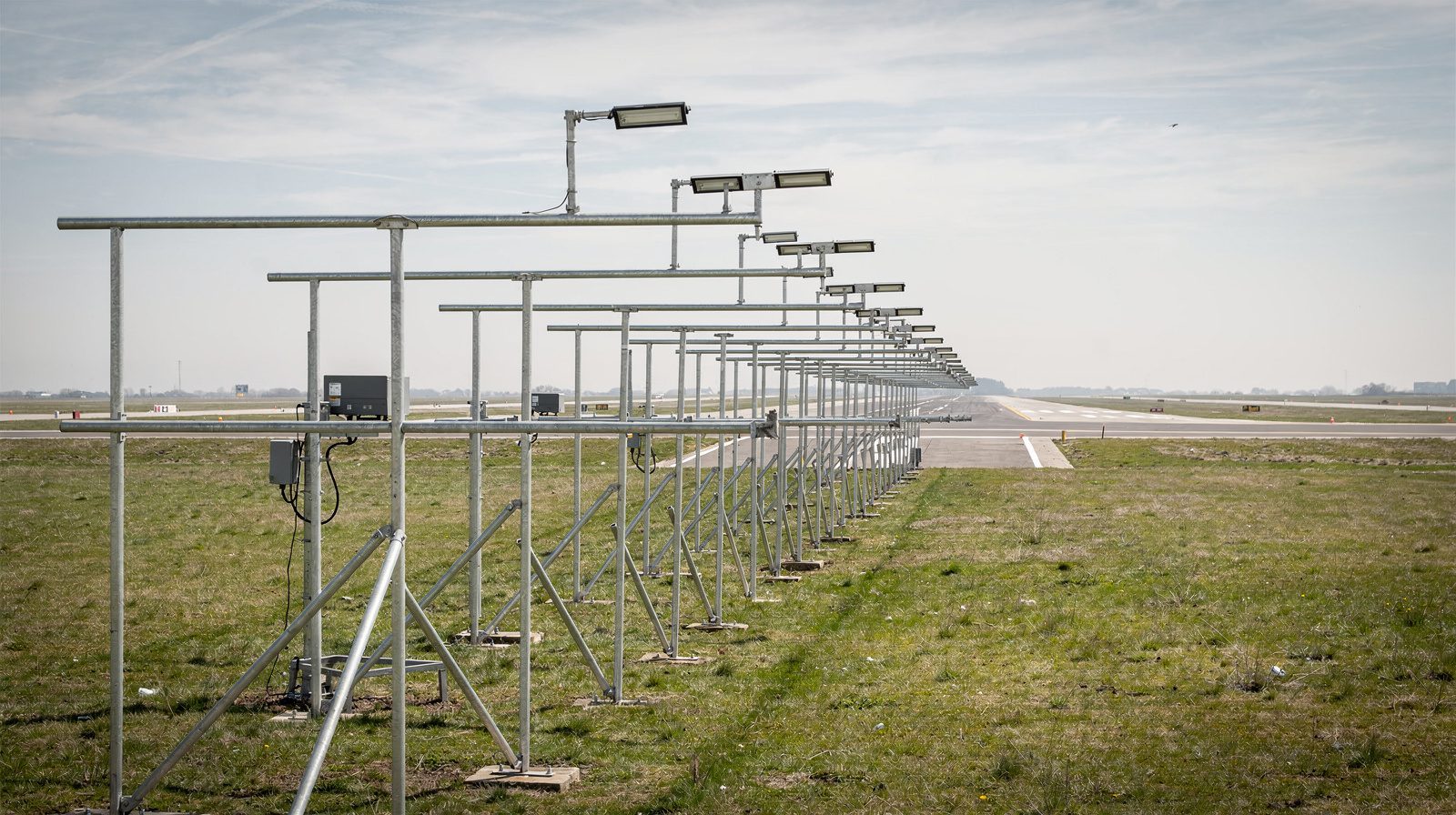
- Runway Visual Range (RVR) Reporting: Visibility sensors are often located in the TDZ, reflecting its criticality for safe landings in low-visibility conditions.
Physical Characteristics and Markings
Standard Dimensions:
- For runways ≥6,000 feet: TDZ is 3,000 feet from the threshold.
- For shorter runways: TDZ is the lesser of 3,000 feet, runway midpoint, or first third.
Markings:
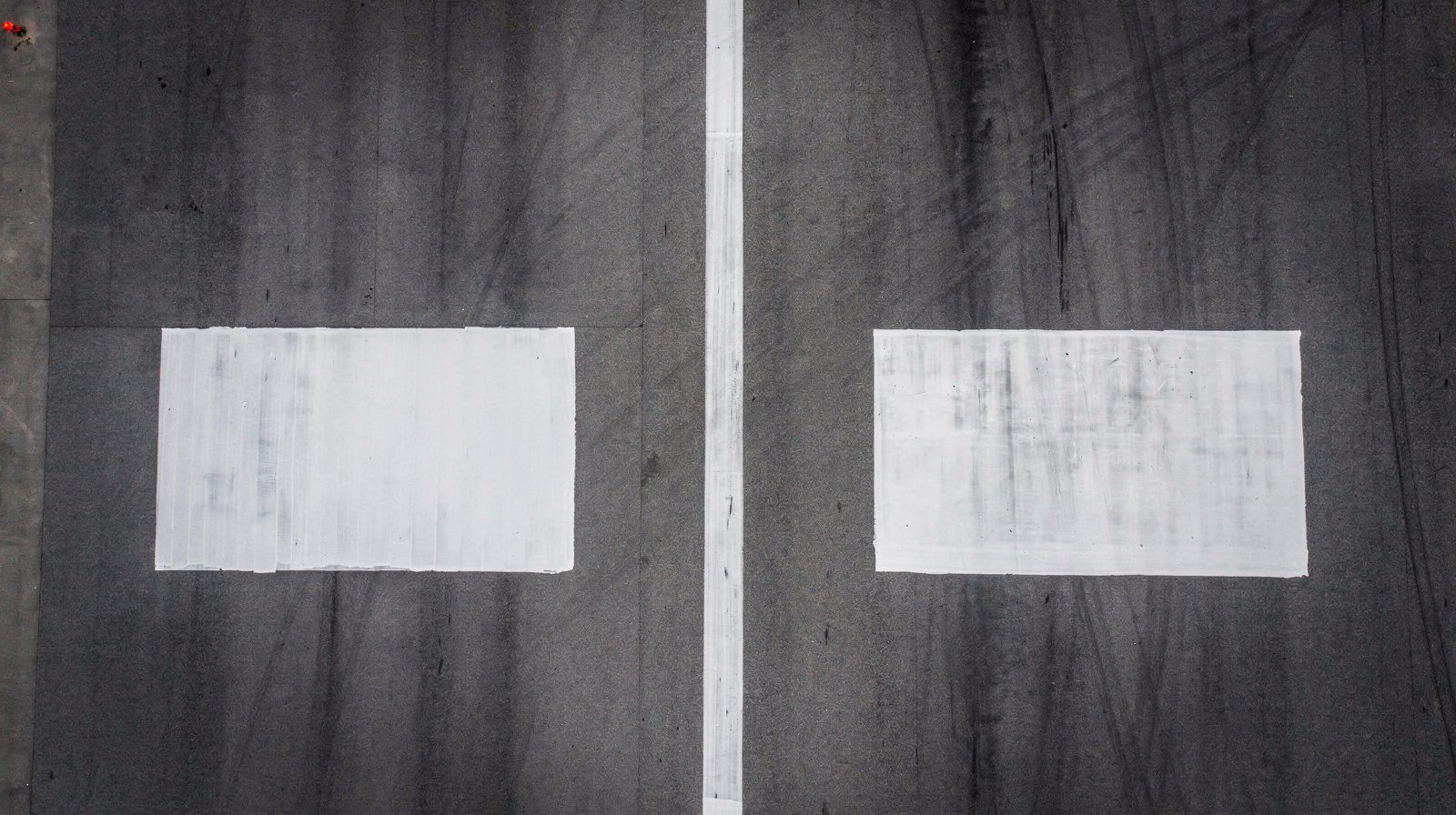
- TDZ Markings (TDZM): Pairs of white bars 75 feet long and 6 feet wide, placed at 500-foot intervals, starting just beyond the aiming point (at 1,000 feet from the threshold).
- Number of Pairs: Up to six pairs on longer runways, fewer on short runways to avoid overlap and confusion.
Lighting:
- TDZ Lighting (TDZL): White lights embedded in the TDZ, activated during low-visibility operations, further aiding pilots.
Maintenance:
TDZ markings must be maintained for visibility and accuracy. Faded or misaligned markings can compromise safety and are subject to strict regulatory inspection.
Regulatory Nuances: FAA, ICAO, and Operator Policies
- FAA: Mandates landing within the TDZ for commercial (Part 121/135) instrument approaches. TDZE is published on approach charts and used for minimums.
- ICAO: Aligns with FAA but may include additional requirements for marking, lighting, and reporting. Always consult the local AIP for airport-specific nuances.
- Operators: Airlines may impose stricter touchdown requirements (e.g., within the first third or half of the runway) based on risk assessments and operational experience.
Key Point:
Pilots and operators must adhere to the most restrictive applicable rule, regulatory, operator, or airport-specific, ensuring maximum safety.
TDZ in Pilot Decision-Making and Approach Procedures
- Aiming Point vs. TDZ:
The aiming point (two thick white rectangles at 1,000 feet) is the visual target, the TDZ is the broader area where touchdown is allowed and safe. - Stabilized Approach:
If a safe touchdown within the TDZ cannot be assured by 500 feet AFL, a go-around is mandatory, as per international best practices and airline SOPs. - Landing Distance Calculations:
Required landing distance must accommodate touchdown within the TDZ, with additional buffers as per operator guidelines. - Go-Around Policy:
Landing beyond the TDZ is a significant overrun risk, best practice and regulations demand a go-around if TDZ touchdown is not feasible.
Touchdown Zone Markings: Technical Details
- Pattern:
Pairs of parallel white bars, 75 feet long, 6 feet wide, spaced every 500 feet from just after the aiming point up to 3,000 feet. - Number of Pairs:
Up to six pairs depending on runway length and marking overlap avoidance. - Lighting:
TDZL (where installed) provides additional guidance in low visibility.
Markings comply with FAA AC 150/5340-1 and ICAO Annex 14.
Touchdown Zone Elevation (TDZE): Importance and Usage
- Definition:
The highest elevation in the first 3,000 feet of runway from the threshold. - Usage:
Published on approach charts, TDZE is the reference for approach minimums (MDA/DA) and provides the datum for precise altitude awareness. - Accuracy:
Airports must survey and publish TDZE data, errors can cause unsafe approaches.
Common Misunderstandings About the TDZ
- Aiming Point vs. TDZ:
The aiming point is a target within the TDZ, not the entire TDZ. - TDZ Length:
Not always 3,000 feet, on shorter runways, it may be less. - Markings vs. Operational Requirement:
The TDZ exists operationally even if not physically marked on all runways. - Overrun Risk:
Landing beyond the TDZ is dangerous and often non-compliant.
Practical Applications and Examples
- Commercial Jets:
Airlines require touchdowns within the TDZ for all landings, go-arounds are mandatory if this is not possible. - Training:
Instructors emphasize TDZ landings, examiners assess proficiency relative to the TDZ. - Airport Certification:
TDZ markings and lighting are inspected as part of FAA Part 139 certification. - Approach Procedure Design:
Instrument approaches use TDZE for minimums and obstacle clearance. - Short Runways:
TDZ may be as short as 1,500 feet, pilots must plan accordingly. - High-Precision Runways:
Full TDZM and TDZL support safe landings in all conditions.
Glossary of Related Terms
- Touchdown Zone (TDZ):
Designated area of the runway (typically first 3,000 feet) for intended aircraft touchdown. - Touchdown Zone Markings (TDZM):
White bar pairs at 500-foot intervals defining the TDZ visually. - Aiming Point Markings:
Broad white rectangles at 1,000 feet from the threshold, visual landing target. - Touchdown Zone Elevation (TDZE):
Highest elevation in the TDZ, published on approach charts. - Precision Runway:
Runway equipped for ILS and requiring TDZM and, often, TDZL. - Runway Visual Range (RVR):
Visibility measure, often with sensors in the TDZ.
Authoritative Reference Table
| Feature | Standard Specification | Practical Note |
|---|---|---|
| Length | 3,000 feet from threshold (less if needed) | Use first third or midpoint on short runways |
| Markings | White bars, 75’x6’, at 500’ intervals | Up to six pairs on runways ≥6,000 feet |
| Lighting | White embedded lights (TDZL), if equipped | For low-visibility operations |
| TDZE | Highest elevation in first 3,000’ | Published on approach charts |
| Operational Relevance | Required for all instrument landings | Failure to land in TDZ = go-around |
| Regulatory Authority | FAA, ICAO, Airport/Operator SOPs | Always follow most restrictive requirement |
In summary:
The Touchdown Zone (TDZ) is a vital runway segment designed for safe, standardized landings. It is meticulously defined, marked, and regulated to ensure maximum safety for every arrival. Understanding its function, markings, regulatory context, and pilot decision-making implications is essential for anyone involved in aviation.
For further guidance on runway safety, TDZ compliance, or to learn how modern solutions can enhance your operations, reach out to our team.
Frequently Asked Questions
- What is the Touchdown Zone (TDZ) on a runway?
- The Touchdown Zone (TDZ) is the specified area of a runway, usually the first 3,000 feet from the threshold, where landing aircraft are supposed to make initial contact with the runway surface. The TDZ provides enough remaining runway for safe deceleration and is marked on precision runways for pilot guidance.
- How is the TDZ marked and why are these markings important?
- TDZ markings consist of pairs of parallel white bars, each 75 feet long and 6 feet wide, placed at 500-foot intervals starting after the aiming point. These markings provide essential visual cues for pilots, especially in low visibility, helping ensure landings occur within the safest runway segment.
- Does every runway have a 3,000-foot TDZ?
- No. While 3,000 feet is standard for runways 6,000 feet or longer, shorter runways have a TDZ equal to the lesser of 3,000 feet, the runway’s midpoint, or its first third. Some visual or non-precision runways may lack physical TDZ markings, but the operational TDZ concept still applies.
- What happens if a pilot lands beyond the TDZ?
- Landing beyond the TDZ increases the risk of runway overrun and may violate regulatory or airline policies, particularly during instrument approaches. Pilots are trained to go around if a safe landing within the TDZ is not possible.
- What is Touchdown Zone Elevation (TDZE) and why does it matter?
- TDZE is the highest elevation in the first 3,000 feet of the runway starting from the threshold. It is used as a reference for approach minimums and for calibrating altimeters, ensuring safe and accurate landing procedures.
This is a reference entry. TarmacView provides drone inspection services and doesn't sell the equipment or materials described in this glossary.