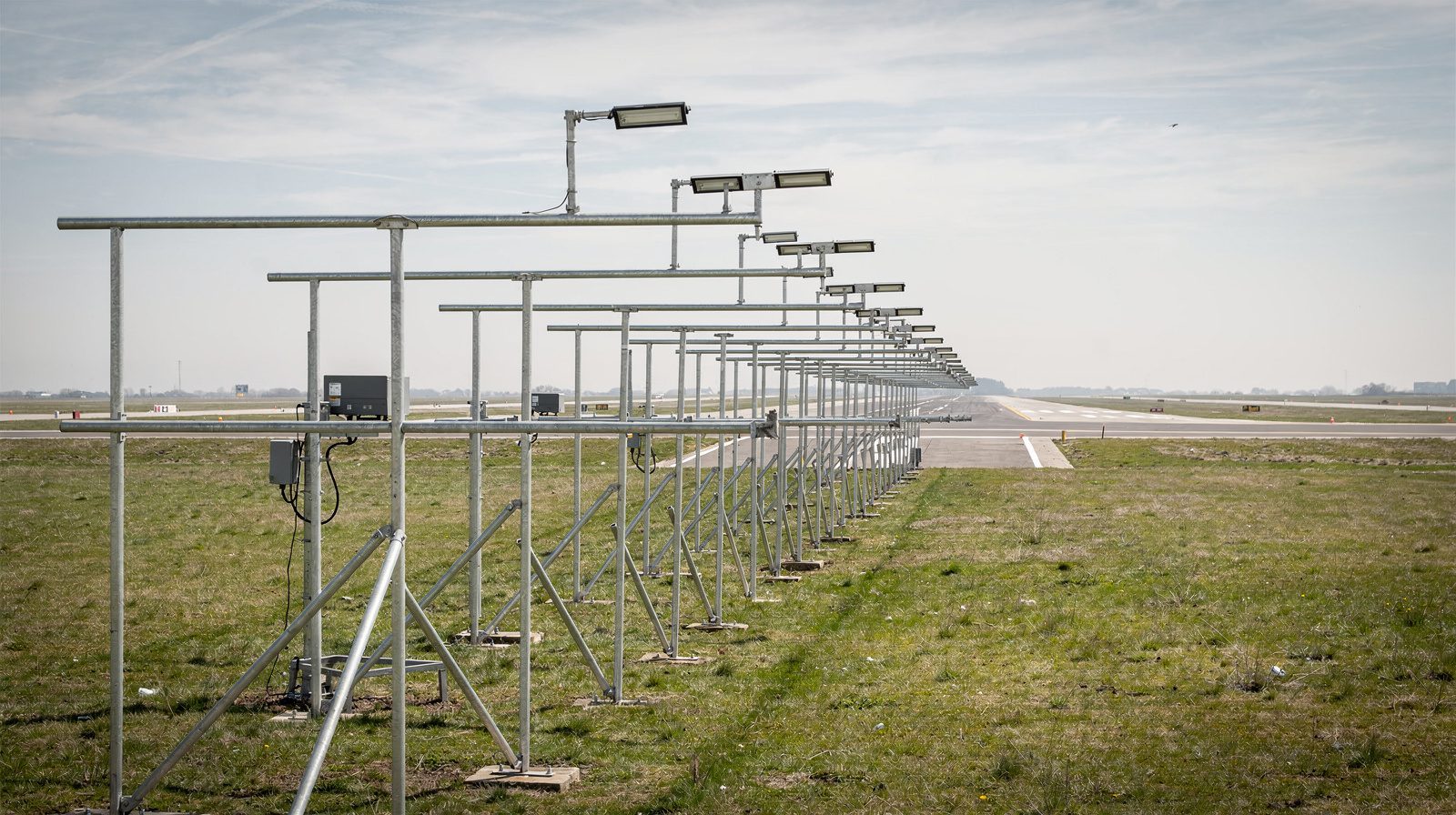
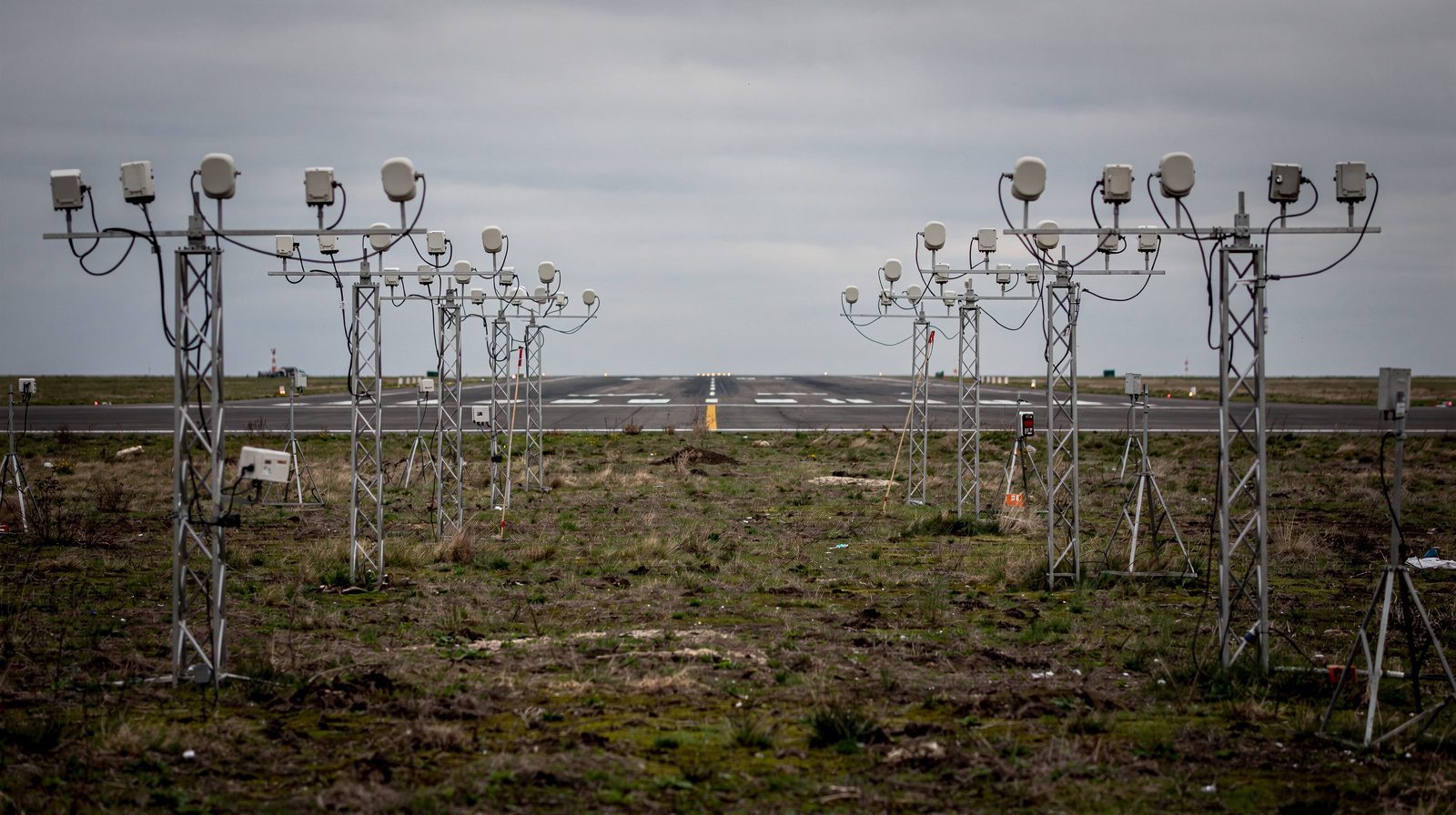
What is Touchdown Zone Lighting (TDZL)?
Touchdown Zone Lighting (TDZL): Aviation Glossary and In-Depth Technical Reference
Touchdown Zone Lights (TDZL) are a cornerstone of modern runway lighting infrastructure, providing essential visual guidance for pilots during the most critical phase of flight: landing. Their design, layout, and technical specifications are precisely regulated to ensure uniformity and operational safety at airports around the world.
What Are Touchdown Zone Lights (TDZL)?
Touchdown Zone Lights are arrays of high-intensity, steady-burning white lights installed symmetrically in the touchdown zone of runways equipped for precision instrument approaches. They begin 100 feet (30 meters) beyond the runway threshold and extend up to 3,000 feet (900 meters) or to the runway midpoint, whichever is less. TDZLs consist of two parallel rows of lights placed on either side of the runway centerline.
TDZLs are mandated or recommended by aviation authorities such as the FAA and ICAO for runways supporting Category II and III Instrument Landing System (ILS) operations, enabling safe landings in low visibility and at night.
TDZL Layout Example
Image: Schematic showing typical TDZL arrangement with parallel rows starting 100 feet from the threshold and extending up to 3,000 feet.
Purpose and Function of TDZL
Enhancing Landing Accuracy and Safety
TDZLs provide unmistakable visual cues for pilots to identify the optimum landing area, especially when painted runway markings are obscured by darkness, precipitation, fog, or other visibility-reducing factors. They directly support operational safety by:
- Clearly delineating the touchdown zone, reducing the risk of long landings and runway excursions.
- Supporting pilots during the transition from instrument to visual flight, particularly on CAT II/III approaches where Runway Visual Range (RVR) may be as low as 75 meters.
- Reinforcing proper landing technique by marking the “aiming point” and optimal touchdown window.
Integration with Other Lighting Systems
TDZLs are designed to operate seamlessly alongside Runway Centerline Lights (RCL), Runway Edge Lights (REL), and Approach Lighting Systems (ALS), creating a continuous and logical sequence of visual information for pilots. This integration is vital during low visibility operations, where the first external cue at minimums is often the TDZLs.
Regulatory Compliance
TDZLs are required for CAT II/III runways by both the FAA (see AC 150/5340-30) and ICAO (Annex 14). Their presence is often a precondition for low visibility operations and must be maintained to stringent standards for intensity, placement, and redundancy.
Technical Specifications of TDZL
Layout and Placement
- Start: 100 feet (30 meters) beyond runway threshold
- End: Up to 3,000 feet (900 meters) or runway midpoint
- Arrangement: Two parallel rows, each 30 feet (9 meters) from the centerline
- Bar Configuration: Each bar consists of three or more light units, placed at 100-foot intervals along the runway axis
Light Characteristics
- Color: Steady-burning white
- Intensity: 10,000–20,000 candela, adjustable to match other in-pavement runway lights
- Beam Control: Optimized for visibility without glare, compliant with ICAO and FAA photometric standards
Construction and Reliability
- Recessed, load-bearing housings designed to withstand heavy aircraft
- High-strength borosilicate glass lenses for durability and chemical resistance
- Sealed fixtures to prevent ingress of water and debris
- Dedicated electrical circuits with backup power and looped fault-tolerant wiring at major airports
Control and Redundancy
- Integrated with Runway Lighting Control Systems for manual, ATC, automated, or pilot-controlled intensity
- Redundant power supplies (generators or UPS) to maintain operation during grid outages
TDZL Technical Configuration Table
| Specification | Value/Requirement |
|---|---|
| Start Point | 100 ft (30 m) beyond runway threshold |
| End Point | 3,000 ft (900 m) or runway midpoint |
| Row Arrangement | 2 parallel rows, each 9 m (30 ft) from centerline |
| Light Bar Spacing | 100 ft (30 m) along runway axis |
| Light Color | Steady-burning white |
| Lamp Intensity | 10,000–20,000 candela (adjustable) |
| Fixture Construction | Load-bearing, recessed, sealed, high-strength glass |
| Control System | Manual, ATC, automated, or pilot-activated |
Operational Usage: Pilot Procedures and Visual Cues
TDZLs play a vital role in pilot situational awareness and landing technique, especially in challenging conditions.
Visual Identification
- TDZLs appear as bright, parallel white lines extending from just beyond the runway threshold.
- In low visibility or at night, they are often the first positive runway reference a pilot acquires.
Landing Technique
- Pilots are trained to land within the illuminated TDZL area, maximizing runway available for stopping and reducing overrun risks.
- Standard operating procedures require a go-around if touchdown is not made by the end of the TDZL segment.
Integration with Other Visual Aids
- TDZLs work with approach lights, centerline, and edge lights to provide a layered sequence of cues:
- ALS for alignment and descent
- Threshold and REILs for runway identification
- TDZLs for touchdown guidance
- Centerline/edge for rollout and stopping
Example Pilot Briefing Callout
“Expect runway 16L, equipped with TDZLs and centerline lighting. Minimums for CAT II. Touchdown zone starts 100 feet after threshold, ends at 3,000 feet. If not down by end of lights, initiate go-around.”
TDZL Operational Use Table
| Scenario | TDZL Visuals | Pilot Action |
|---|---|---|
| Night, low visibility approach | Bright, parallel rows visible | Land within illuminated area |
| Daytime, no illumination | Markings visible only | Use painted markings as reference |
| TDZL outage (NOTAM in effect) | No lights in touchdown zone | Extra vigilance, use other cues |
| Touchdown beyond end of TDZL area | TDZLs behind aircraft | Consider go-around, assess stopping |
Regulatory Standards: FAA, ICAO, and Global Harmonization
FAA Standards
- Required for CAT II/III runways per AC 150/5340-30 and AIM Section 2-1-5
- Specifies installation, intensity, maintenance, and outage reporting (via NOTAM)
- Outages may restrict approaches or increase minimums
ICAO Annex 14
- International baseline for TDZL design and operation
- Requires white lights, two rows, 60–900 meters (200–3,000 ft) from threshold
- Mandates photometric testing and compliance for certification
Maintenance & Outage Reporting
- Regular inspection, cleaning, and photometric checks are required
- Any unserviceability is reported via NOTAM, and corrective action must be prompt
TDZL vs. Other Runway Lighting Systems
| System Name | Location | Color | Function | Use Case |
|---|---|---|---|---|
| Touchdown Zone Lights (TDZL) | 100 ft–3,000 ft beyond threshold | White | Mark touchdown zone | Precision/LVO approaches |
| Runway Edge Lights (REL) | Along runway edges | White/Yellow | Mark lateral limits | All night/low visibility ops |
| Runway Centerline Lights | Along runway centerline | White/Red | Alignment, distance remaining | Precision/LVO approaches |
| Approach Lighting System | Approach path, before threshold | White/Red | Alignment/descent guidance | Instrument approach runways |
| PAPI / VASI | Beside runway, approach side | Red/White | Glidepath indication | Visual approaches |
| Runway End Identifier Lights | Sides of runway threshold | White (flash) | Threshold identification | Threshold marking |
Design, Maintenance, and Limitations
Fixture Durability
- Recessed, high-strength construction resists aircraft loads, snow, chemicals, and weather
Electrical Reliability
- Redundant circuits, backup power at major airports
- Fault detection and looped wiring
Limitations
- Not installed on all runways due to cost/complexity
- Effectiveness may be reduced by snow, rubber, or water accumulation
- Precise alignment and integration required to avoid visual confusion
Outage Protocols
- Outages reported by NOTAM
- Operations may be restricted if TDZLs are inoperative
- Regular maintenance includes photometric testing and cleaning
TDZL in Low Visibility Operations (LVO)
Role in CAT II/III Approaches
- TDZLs are often the first visible runway cue in LVO, enabling safe landings at RVRs as low as 75 meters
- Required for LVO certification of airports and airlines
Operational Redundancy
- Redundant power and control systems mandated
- Included in operational readiness checks before LVO approaches
Mnemonics and Memorization Aids for Pilots
- Extent mnemonic: “100 to 3,000, keep it in the zone.”
- Action mnemonic: “If the lights run out, go around.”
Key Takeaways
- TDZLs are essential for safe, accurate landings on precision runways, especially in low visibility.
- Strictly regulated by ICAO and FAA, they are required for CAT II/III instrument approaches.
- Proper use and maintenance of TDZLs are central to airport safety, pilot training, and operational reliability.
For more details, regulatory documents, or consulting on TDZL upgrades, contact our team or schedule a live demo .
Frequently Asked Questions
- Where are Touchdown Zone Lights (TDZL) installed?
- TDZL are installed on precision instrument approach runways, typically those supporting CAT II/III ILS operations at major airports. They start 100 feet beyond the threshold and extend up to 3,000 feet, arranged in two parallel rows on either side of the runway centerline.
- Why are TDZLs important for low visibility operations?
- TDZLs provide critical visual cues for pilots during landings in low visibility or night conditions. They clearly mark the beginning and end of the optimal touchdown zone, reducing the risk of long landings and runway overruns, and are required for CAT II/III ILS approaches.
- How are TDZLs maintained and what happens during an outage?
- TDZLs require regular inspection, cleaning, and photometric testing to ensure proper function. Outages must be reported via NOTAM, and approaches may be restricted or minimums increased when TDZLs are inoperative. Maintenance includes ensuring correct intensity, alignment, and fixture integrity.
- How do TDZLs compare with other runway lighting systems?
- TDZLs specifically mark the touchdown zone, while systems like runway edge lights define lateral limits, centerline lights provide alignment, and approach lights assist with descent guidance. Each system has a unique role but works together for safe landings, especially in challenging conditions.
This is a reference entry. TarmacView provides drone inspection services and doesn't sell the equipment or materials described in this glossary.