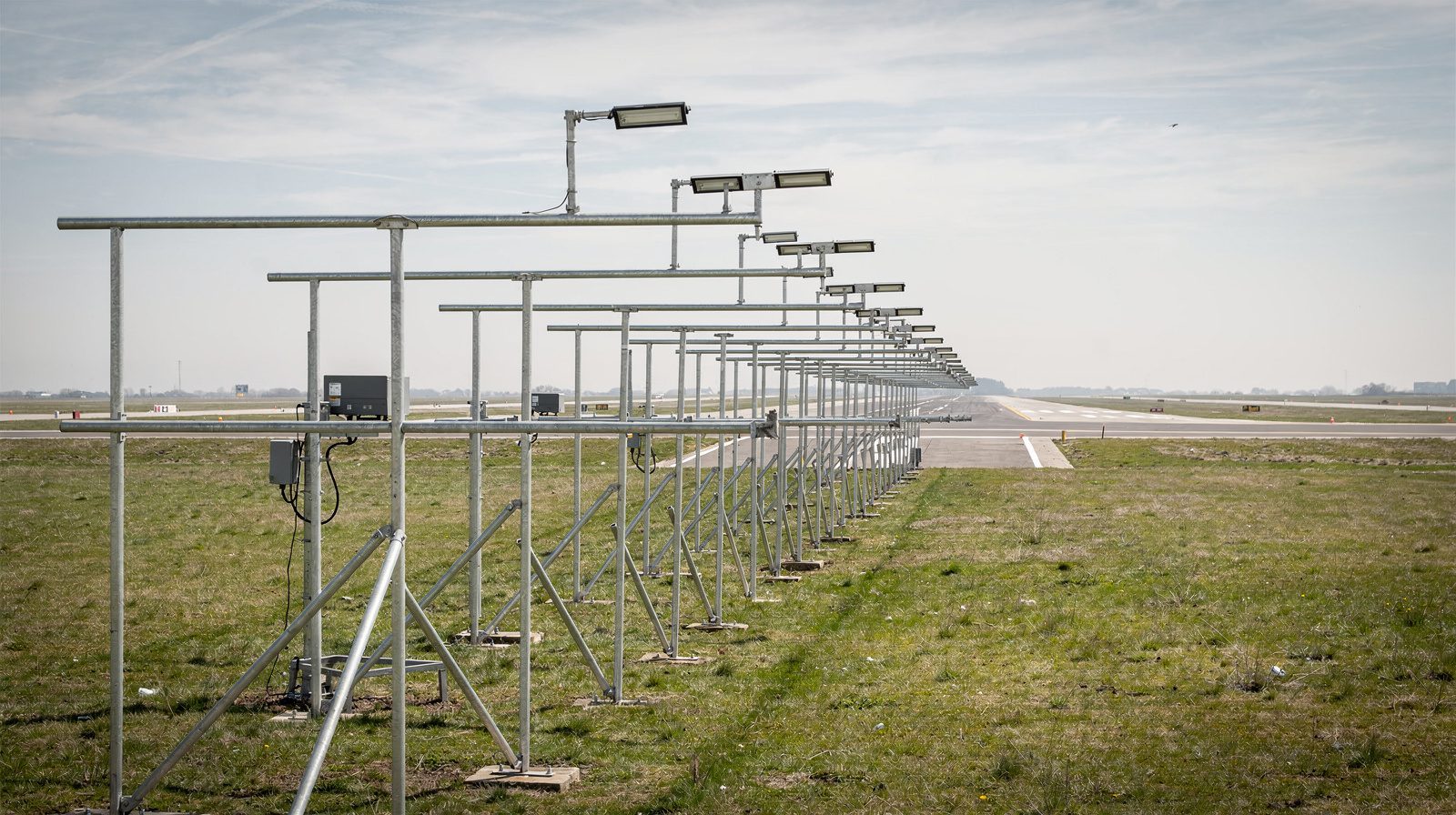
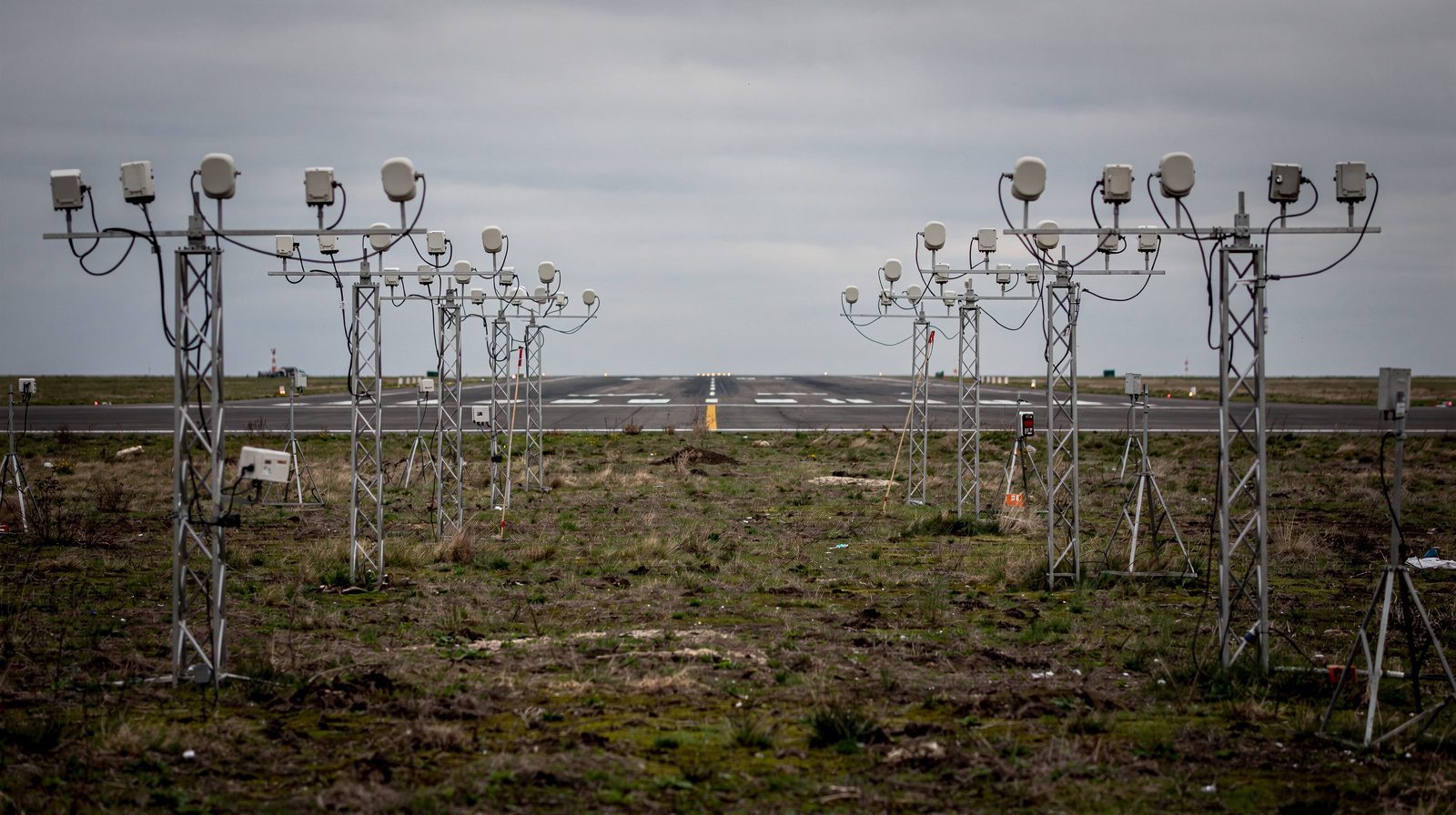
What is Low-Intensity Light?
Low-Intensity Light (Light with Reduced Output) – Airport Lighting Glossary
What Is Low-Intensity Airport Lighting?
Low-intensity airport lighting refers to a dedicated class of airfield luminaires engineered to provide visual guidance with a reduced luminous output, typically under 200 candela (cd) for runway edge lights and above 10 cd for obstruction lights. These systems are mandated for aerodromes with low traffic volumes, general aviation airstrips, temporary or emergency runways, and for marking obstacles where high-intensity solutions are unnecessary or impractical. They are essential for ensuring safe ground and air operations, particularly at locations where cost, energy usage, and environmental impact are critical considerations.
Low-intensity lights are designed and deployed in accordance with international standards, chiefly ICAO Annex 14, FAA AC150/5345-43J (obstruction), FAA AC150/5345-50B (runway/taxiway fixtures), and EN61000-6-4:2019 / EN61000-6-2:2019 for electromagnetic compatibility. These standards ensure that even at lower outputs, the lighting provides reliable visual cues for approach, takeoff, taxiing, and obstacle awareness.
Modern low-intensity systems increasingly utilize LED technology, offering dramatic improvements in efficiency, operational life, and maintenance compared to legacy halogen solutions. This makes them ideal for remote, off-grid, or sustainability-focused operations.
Typical Applications of Low-Intensity Lighting
- Runway Edge, Threshold, and End Lighting: Marking runway boundaries and endpoints at low-traffic or non-instrument airports, providing essential guidance without excessive glare or energy use.
- Taxiway Lighting: Blue edge lights at small aerodromes or private fields to delineate safe taxi routes in low-visibility or nighttime operations.
- Obstruction Lighting: Marking of buildings, antennas, or towers below 45m (150ft), using steady-burning red lights (ICAO Type A/B, FAA L-810) to ensure hazard visibility.
- Portable and Temporary Lighting: Battery or solar-powered units for maintenance, emergency, or rapid deployment at temporary or remote sites.
- Heliport Edge and Approach Lighting: Compact, low-output fixtures to outline helicopter landing zones, particularly in hospital or offshore locations.
- Backup Systems: Rapidly deployable fixtures to maintain minimum lighting during primary system outages.
Types of Low-Intensity Airport Lighting
1. Runway Edge Lights
White lights (sometimes yellow/red near runway ends) with output below 200 cd, available in elevated or inset formats. Used at airports where night operations are infrequent or do not require high output.
2. Runway Threshold Lights
Green lights indicating runway landing thresholds, visible from the approach direction only.
3. Runway End Lights
Red lights denoting the end of the usable runway, visible only from the departing direction.
4. Threshold/End Combination Lights
Dual-purpose fixtures offering green threshold lighting in one direction and red runway end lighting in the opposite, minimizing fixture count.
5. Taxiway Edge Lights
Blue fixtures marking taxi routes at smaller airports, available in elevated or inset versions for various ground conditions.
6. Obstruction Lights (Low-Intensity)
Steady red lights for marking obstacles below 45m, meeting ICAO Type A/B/E and FAA L-810 standards.
- Example: PULSAR Low Intensity Obstruction Light
- Example: AV-OL-LI Low Intensity Obstruction Light – Avlite
7. Portable Lighting
Battery or solar-powered lights for temporary runways, displaced thresholds, or emergencies, featuring quick deployment and rugged construction.
Key Features and Technical Characteristics
- Light Source: Predominantly LED, offering >100,000 hours of service and consistent output.
- Construction: Corrosion-resistant materials (aluminum, stainless steel, UV-stabilized polycarbonate), sealed for harsh environments (IP65–IP67).
- Power Consumption: Highly efficient, supporting grid, battery, or solar operation.
- Photometric Consistency: Precision optics ensure compliance with chromaticity and intensity standards.
- Modular Design: Interchangeable optical heads, batteries, and mounting for easy maintenance and flexibility.
- Operating Modes: Steady-on, selectable flashing (30/60/120 FPM), dusk-to-dawn, NVG compatibility.
- Control & Monitoring: Integrated diagnostics, discrete I/O for system integration, remote alarms (especially for obstruction lights).
Sample Technical Specifications
| Parameter | Typical Value / Options |
|---|---|
| Intensity (Runway Edge) | < 200 cd |
| Intensity (Obstruction) | >10 cd (ICAO Type A/B/E, FAA L-810) |
| Light Color | White (edge), Green (threshold), Red (end/obstruction), Blue (taxiway) |
| Power Supply | 6.6A CCR, 12V/24V/48V/110V/230V AC/DC, battery, solar |
| Ingress Protection | IP65–IP67 |
| Operating Temp | -40°C to +80°C (Arctic), standard -20°C to +50°C |
| Compliance | ICAO Annex 14, FAA AC150/5345-43J, EN61000-6-4/-6-2 |
| LED Lifetime | >100,000 hours |
| Battery Life (Portable) | 4–5 years, 10–25 hrs per charge |
| Mounting | Elevated, inset, stake, portable |
| Operating Modes | Steady-on, Flashing, Dusk-to-Dawn, NVG |
| Monitoring/Control | Discrete I/O, diagnostics, remote alarm |
Regulatory Compliance and Standards
- ICAO Annex 14, Vol I: Specifies intensity, color, chromaticity, and uniformity for airfield lighting, including low-intensity types.
- FAA AC150/5345-43J: US standard for low-intensity obstruction lighting (FAA L-810).
- FAA AC150/5345-50B: US standard for runway/taxiway lighting fixtures.
- EN61000-6-4:2019 / EN61000-6-2:2019: European EMC emission/immunity requirements.
- Local/Regional Standards: May apply additional requirements, especially near populated areas.
Compliance is validated via type testing, certification, and ongoing quality assurance.
Operational Modes and Control Systems
Low-intensity lighting systems offer:
- Steady-On: Standard mode for continuous night/low-visibility guidance.
- Flashing: Enhanced conspicuity for temporary hazards or displaced thresholds, selectable rates.
- Dusk-to-Dawn: Photocell-activated for automatic operation, ideal for solar/battery units.
- NVG Compatibility: Options for military or special operations.
Advanced systems integrate remote diagnostics, control interfaces, and fail-safe features, ensuring operational reliability.
Summary
Low-intensity airport lighting is a fundamental safety and operational component for small, remote, or temporary airfields and for marking obstacles that do not require high-intensity solutions. These systems, governed by ICAO, FAA, and EN standards, offer reliability, efficiency, and sustainability, supporting safe aviation operations worldwide.
Frequently Asked Questions
- Where is low-intensity lighting used in aviation?
- Low-intensity lighting is used at small or remote airports, general aviation fields, temporary or emergency runways, heliports, and for marking obstacles that do not require high-intensity solutions. Typical applications include runway/taxiway edge lights, threshold and end lights, obstruction marking, and portable lighting for temporary operations.
- What are the regulatory standards for low-intensity lights?
- Low-intensity airport lighting must comply with ICAO Annex 14, FAA AC150/5345-43J for obstruction lighting, FAA AC150/5345-50B for runway/taxiway fixtures, and EN61000-6-4:2019 and EN61000-6-2:2019 for electromagnetic compatibility in Europe. Compliance ensures safety, photometric consistency, and interoperability.
- What are the advantages of LED technology in low-intensity airport lights?
- LEDs offer energy efficiency, long service life (>100,000 hours), reduced maintenance, stable photometric output, and improved durability compared to halogen bulbs. They are ideal for both fixed and portable applications, particularly in remote or off-grid installations.
- Can low-intensity lighting be used for temporary or emergency airfields?
- Yes. Portable low-intensity lights, often battery or solar powered, can be quickly deployed for temporary runways, maintenance, or emergency scenarios. They meet relevant ICAO/FAA standards and offer features like adjustable intensity, flashing modes, and dusk-to-dawn automation.
- How is low-intensity obstruction lighting different from medium- or high-intensity?
- Low-intensity obstruction lights (ICAO Type A/B, FAA L-810) emit steady red light with output above 10 cd, used for marking obstacles below 45m (150ft). Medium/high-intensity lights are used for taller structures and have higher output and specific flash patterns for increased visibility.
This is a reference entry. TarmacView provides drone inspection services and doesn't sell the equipment or materials described in this glossary.