Why Do Airports Ask for a Second Opinion on Their PAPI?
Why airports ask for a second opinion on a PAPI after a flight inspection or a repair. What a drone check costs, how soon it comes and what it measures.
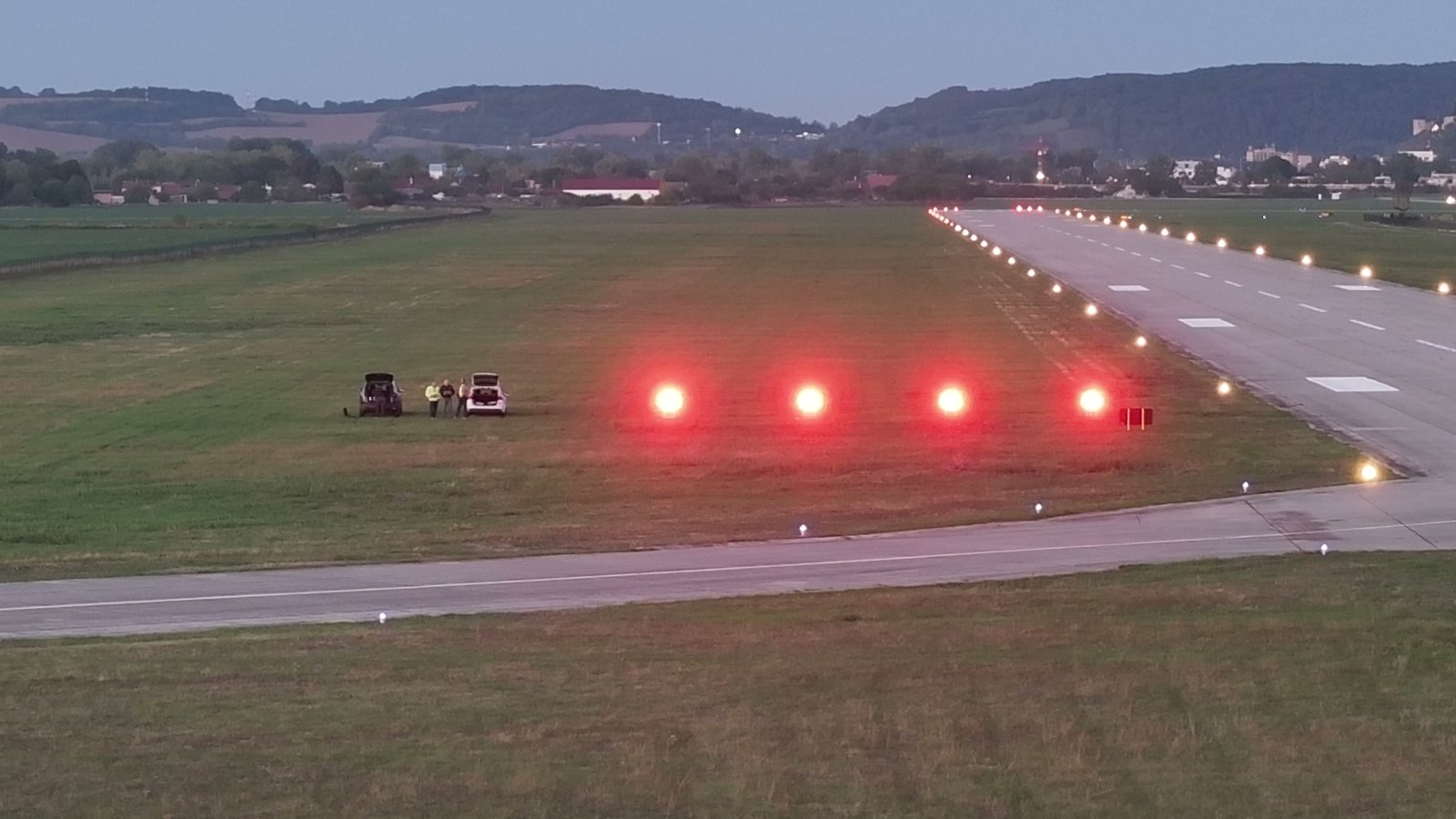 TRENČÍN · PAPI AT DUSK FROM OUR DRONE
Airports ask for a second opinion when they hold a result on a precision approach path indicator (PAPI) and still have a question about it. Every Slovak commercial airport has asked TarmacView for one. Their reasons come down to three things: what a second look costs, when it can happen and whether it gives a value for each unit.
None of this is a criticism of flight inspection . The aircraft calibrates radio navigation aids, which this measurement does not do, and it verifies the lights on the same visit. A second opinion is a different job. It is an independent measurement of each unit, made after a result already exists. The service itself is described on a second opinion on your airfield lighting .
In short
- Who asked: Trenčín Airport, Žilina Airport and the two main Slovak commercial airports.
- Cost: a separate aircraft visit for the lights carries ferry both ways. A visit shared with a radio aid calibration does not.
- Date: the drone crew comes by road, on a date agreed with the airport.
- Precision: each unit gets a measured transition angle, and the frames behind it are kept.
- Limits: it is not a flight check, and it covers lighting only.
Which airports have asked, and what happened?
Trenčín Airport took its PAPI down for the summer festivals and reinstalled it afterwards. It asked us to measure both systems before it relied on them again. The check on 11 September 2026 found two of the four units outside tolerance on each runway end. The external PAPI contractor re-aimed them. Our re-check on 28 September 2026 measured all eight units back within tolerance.
Žilina Airport asked us for a second opinion as well.
The two main Slovak commercial airports called us for a different reason. A flight inspection had been flown, and a repair had followed it. Afterwards pilots complained about the PAPI indications. We came, measured the PAPI and gave each airport the results.
A complaint after an inspection and a repair does not prove that either was wrong. It means the airport needs a measurement it can put next to the first one. PAPI wrong after a flight check covers that case step by step.
What does a second opinion measure that the first result did not?
About an hour of flying verifies the PAPI transition angles, the approach lighting and the runway lighting of one runway. It is a verification, and the airport can rely on it.
A drone measurement works at a different scale. The drone climbs through the beam of each unit and finds the angle where the light changes from red to white. The result is one angle per unit, set against its nominal value and its tolerance.
That figure is what a second opinion is for. The European acceptable means of compliance say alignment errors above one minute of arc should be corrected. A technician can only correct a unit that has been named. At Trenčín the report named each unit, the direction of its error and its size.
Is it cheaper than bringing the aircraft back?
Sometimes, and the calendar decides. No flight inspection operator publishes a tariff. The figures below come from one operator active in Slovakia, Czechia and Hungary, in euros excluding value added tax. The radio aids in the table are the instrument landing system (ILS) and the VHF omnidirectional range (VOR) .
| Aircraft visit | Cost | Basis |
|---|---|---|
| Measurement flight hour at the aerodrome | About 3,000 EUR | Operator rate |
| Lights of one bidirectional runway, aircraft already on site for an ILS or VOR | Around 3,000 EUR | One hour at the operator rate |
| The same visit on its own, with an hour of ferry each way | 6,600 to 7,200 EUR | Ferry at 60 to 70 percent of the rate |
| The shared visit in Poland, Germany or Austria | 3,900 to 4,500 EUR | 30 to 50 percent above the rate |
Read the second row first. Where an ILS or VOR calibration is already scheduled, the aircraft verifies the lights for around 3,000 EUR. On the fee, the two methods are close there, and price does not settle the choice.
The third row is the second opinion case. If the question comes up between two calibration dates, the aircraft has to come for the lights alone. It then charges its ferry both ways. A drone crew arrives by road, and that is where the drone costs less.
TarmacView publishes no rate and quotes each aerodrome. The PAPI calibration cost guide and the drone survey versus flight inspection comparison show the full arithmetic.
How fast is it, and who picks the date?
Fast has two parts: the time on site and the date.
On site, it takes about 15 minutes from take-off to results for one runway side, flown between aircraft movements. Both PAPI systems take about 30 minutes. The angles are computed on a field laptop on site. Neither the drone nor the aircraft closes the runway, so runway time is no argument for either method.
The date matters more. The lights normally ride on the visit the aircraft makes for the ILS or the VOR, so the radio aid calendar sets the date. A drone crew travels by road, and we agree the date with the airport. At Trenčín the re-check was flown on the day the contractor re-aimed the units.
Weather still applies. Wind and rain postpone a drone flight, and the visit moves to the next agreed date.
How precise is a measurement per unit?
Precise here means a bounded number for each unit. It does not mean a better verdict than the aircraft’s.
The angle is geometry. The drone’s position comes from real-time kinematic (RTK) satellite positioning, and the position of each unit is surveyed. The camera only shows where the light changes colour, and the angle is fitted across hundreds of frames.
Our published error budget puts the combined worst case at ±0.0072°. We guarantee ±0.017°, which is one minute of arc. The budget and its inputs are in how a drone measurement becomes evidence .
Two things keep the number usable later.
- The same profiles are flown on every visit, so a re-check compares like with like.
- The raw video and the positioning log are kept, so a disputed value can be recomputed.
The method also has a basis in the manuals. The International Civil Aviation Organization (ICAO) names an unmanned aircraft as an alternative method for measuring PAPI settings. The text is Doc 9157 Part 4, paragraph 8.3.43. Paragraph 8.3.46 requires an operationally validated camera, and notes that the State may require special authorization.
Can an airport run the measurement with its own drones?
Yes. We can deliver the measurement as a service, with our crew and our equipment. An airport can also subscribe to our software and fly the measurement itself. It uses its own commercial drone and trained staff, at any hour of the day or night. The price is paid yearly, not per flight.
What does a second opinion not do?
- It is not a flight check. The European acceptable means of compliance ask for flight checks of the lighting at least yearly and after major maintenance.
- It does not calibrate an ILS or a VOR. Those stay with the aircraft.
- It does not state intensity in candelas. Output is reported relative to neighbouring units.
- It does not adjust the units. Your technician or contractor re-aims them.
- It does not decide what your authority accepts. Our regulatory acceptance guide covers that question.
How do you ask for one?
- Send the result you already hold: the flight inspection report, the contractor’s record or your own check sheet.
- Name the runway ends and the units in question.
- Say whether a contractor will re-aim the units, and when.
- Propose the dates that suit your traffic.
Send those four to TarmacView . The PAPI inspection page lists everything measured per unit.
To set the units precisely, see set your PAPI right the first time . To check them on your own schedule, read how precise is a PAPI flight check .
Frequently Asked Questions
- What are the alternatives to a flight inspection aircraft for checking a PAPI?
- There are two. A technician checks each unit's setting angle at the box with a clinometer. A drone measures each unit's transition angle from the approach. ICAO Doc 9157 Part 4, paragraph 8.3.43, names an unmanned aircraft as an alternative method for measuring PAPI settings. Whether either one replaces a flight check your programme requires is for your authority.
- How much does a flight inspection cost per hour?
- About 3,000 EUR per measurement flight hour in Slovakia, Czechia and Hungary, according to one operator active in that market. Ferry to the aerodrome is charged at 60 to 70 percent of that rate. Poland, Germany and Austria run 30 to 50 percent higher. No operator publishes a tariff, so treat these as one operator's rates.
- Drone PAPI inspection or flight check: which is cheaper for a regional airport?
- It depends on the radio navigation aids. With a calibration already scheduled, the aircraft verifies the lights on that visit for around 3,000 EUR, and the fees are close. With no calibration scheduled, the aircraft charges ferry both ways and the drone is cheaper. TarmacView quotes each aerodrome and publishes no rate.
- How long does a PAPI flight check close the runway for?
- It does not close the runway. The aircraft flies approaches and the runway stays open, and the flight for one bidirectional runway takes about an hour. A drone measurement books no closure either. It takes about 15 minutes per runway side and is flown between aircraft movements.
- Does asking for a second opinion mean the flight inspection was wrong?
- No. A flight inspection verifies the PAPI transition angles and the lighting systems, and that result stands. A second opinion adds a measured value for each unit after a repair, a reinstallation or a pilot report. Units can also move after a check, for example through frost, heavy rain or drought.
References
- cee-operator-rates
- Flight calibration rates and durations in the Slovak, Czech and Hungarian market Written exchange with a flight inspection operator active in the region
- expert-review-2026-09
- Review of the aircraft duration and scope Written review by an aeronautical ground aids measurement specialist
- easa-ear-aerodromes
- Easy Access Rules for Aerodromes (Regulation (EU) No 139/2014), including CS-ADR-DSN Issue 7, revision of March 2026 European Union Aviation Safety Agency
- icao-doc-9157-p4
- Doc 9157, Aerodrome Design Manual, Part 4: Visual Aids International Civil Aviation Organization
- tarmacview-trencin-case-study
- Trenčín Airport: PAPI Re-aimed and Re-checked After the Festivals TarmacView
- tarmacview-papi-calibration-cost
- PAPI Calibration Cost in Central Europe TarmacView
- tarmacview-evidence
- How a Drone Measurement Becomes Evidence TarmacView
Founded by flight-inspection veterans who spent decades measuring PAPI lights for aviation authorities across Europe.
Learn more
Related terms
03 TERMSCommissioning Flight Inspection
A commissioning flight inspection is the first flight check of a new or changed aid. When the FAA requires one for a PAPI, what is checked and how to prepare.
Precision Approach Path Indicator (PAPI)
A precision approach path indicator (PAPI) is a row of lights beside a runway. What PAPI means, what the red and white pattern shows, unit angles, siting, the APAPI, the VASI, and the checks.
PAPI Approach Slope and Elevation Setting
The PAPI approach slope and elevation setting are the approach angle a PAPI shows and the angle of each unit. Setting angles for 3 degrees, tolerance, how they are measured, and drones.
Further reading
03 ARTICLES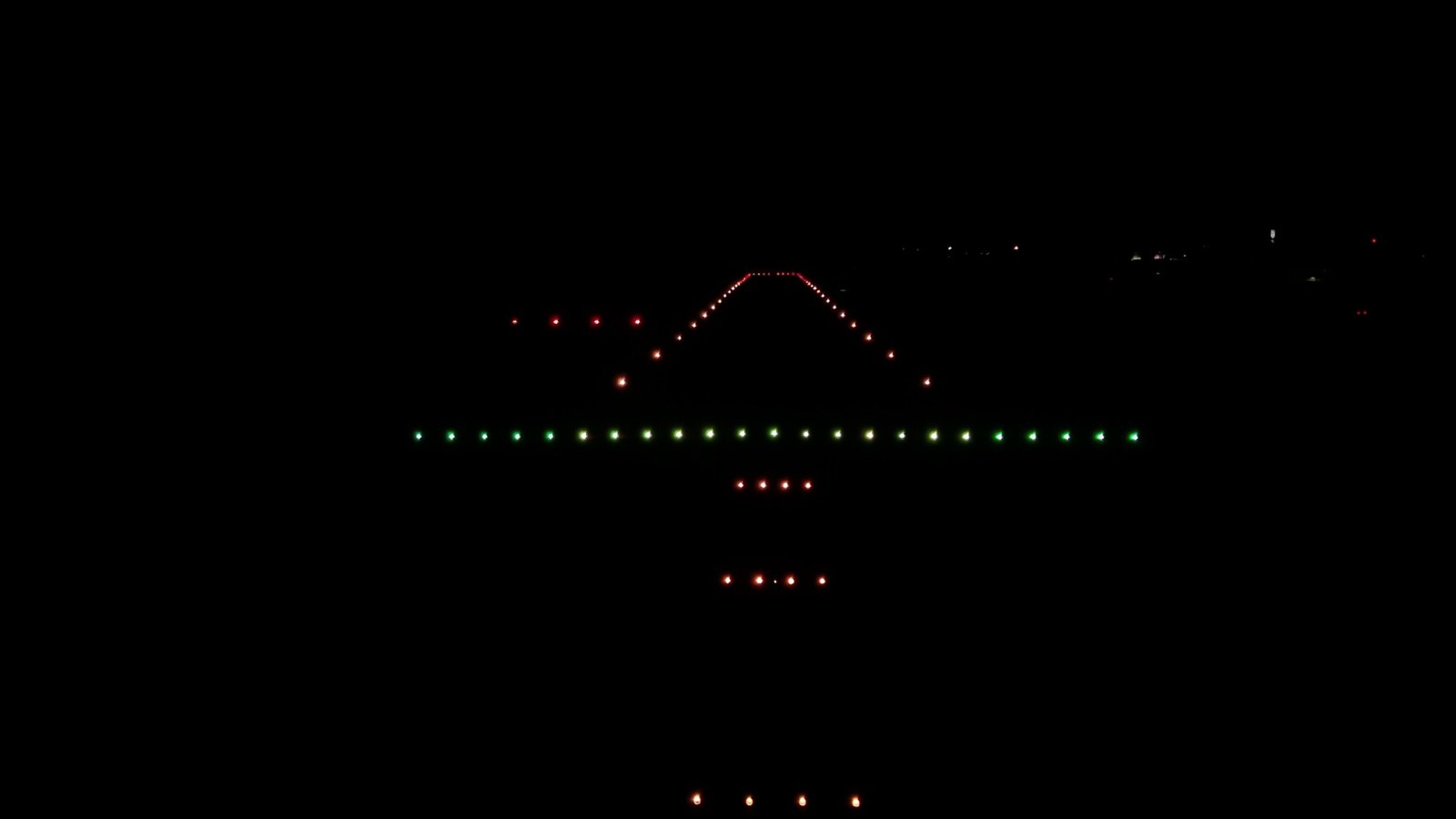
A Second Opinion on Your Airfield Lighting
An independent drone check of your PAPI and airfield lighting after a flight inspection, a re-aim or pilot reports. Every unit measured, the evidence…
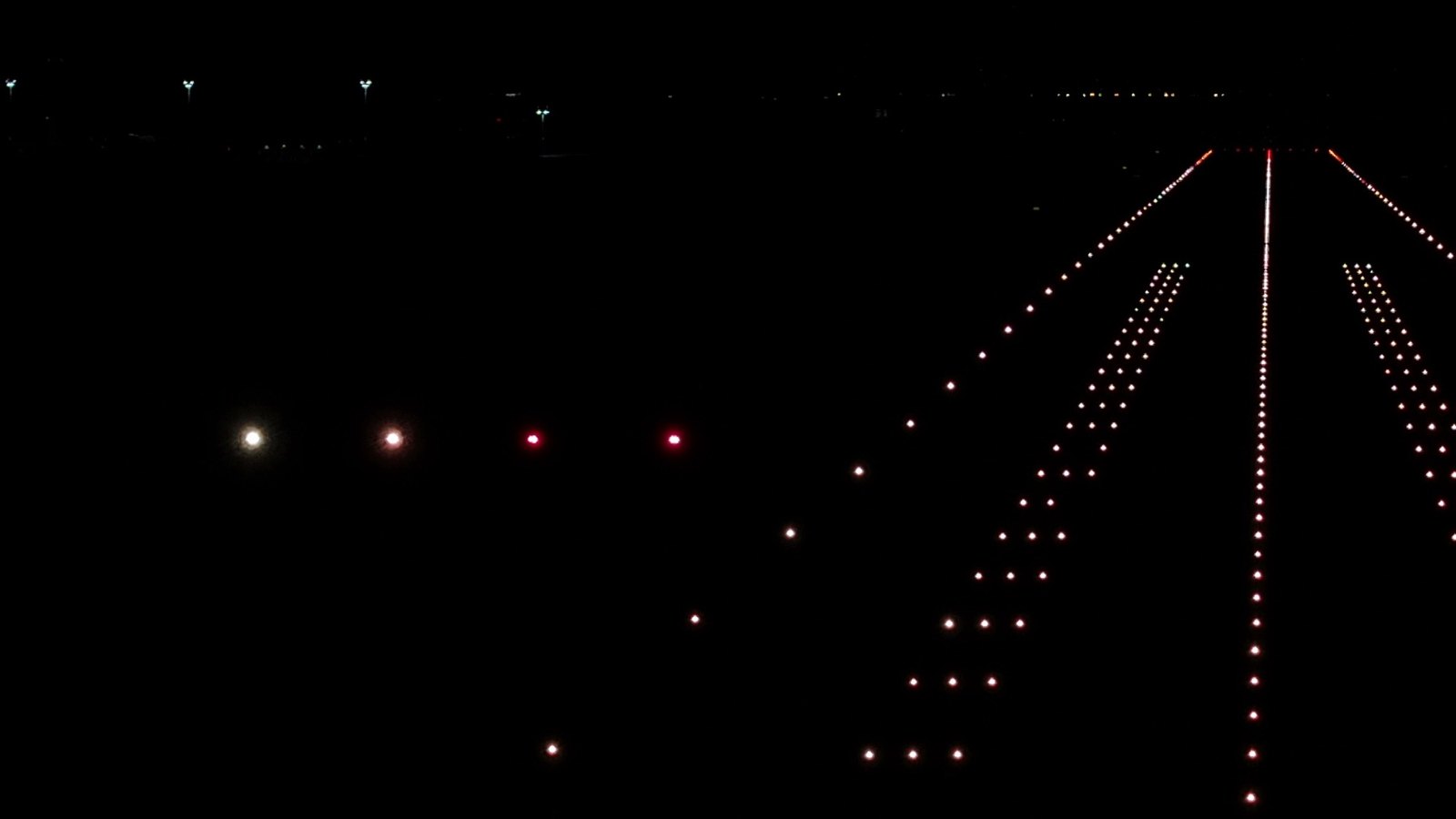
PAPI Still Wrong After a Flight Check
A PAPI passed its flight check, or was re-aimed after it, and pilots still report it wrong. A drone check of each unit names the unit and transition…
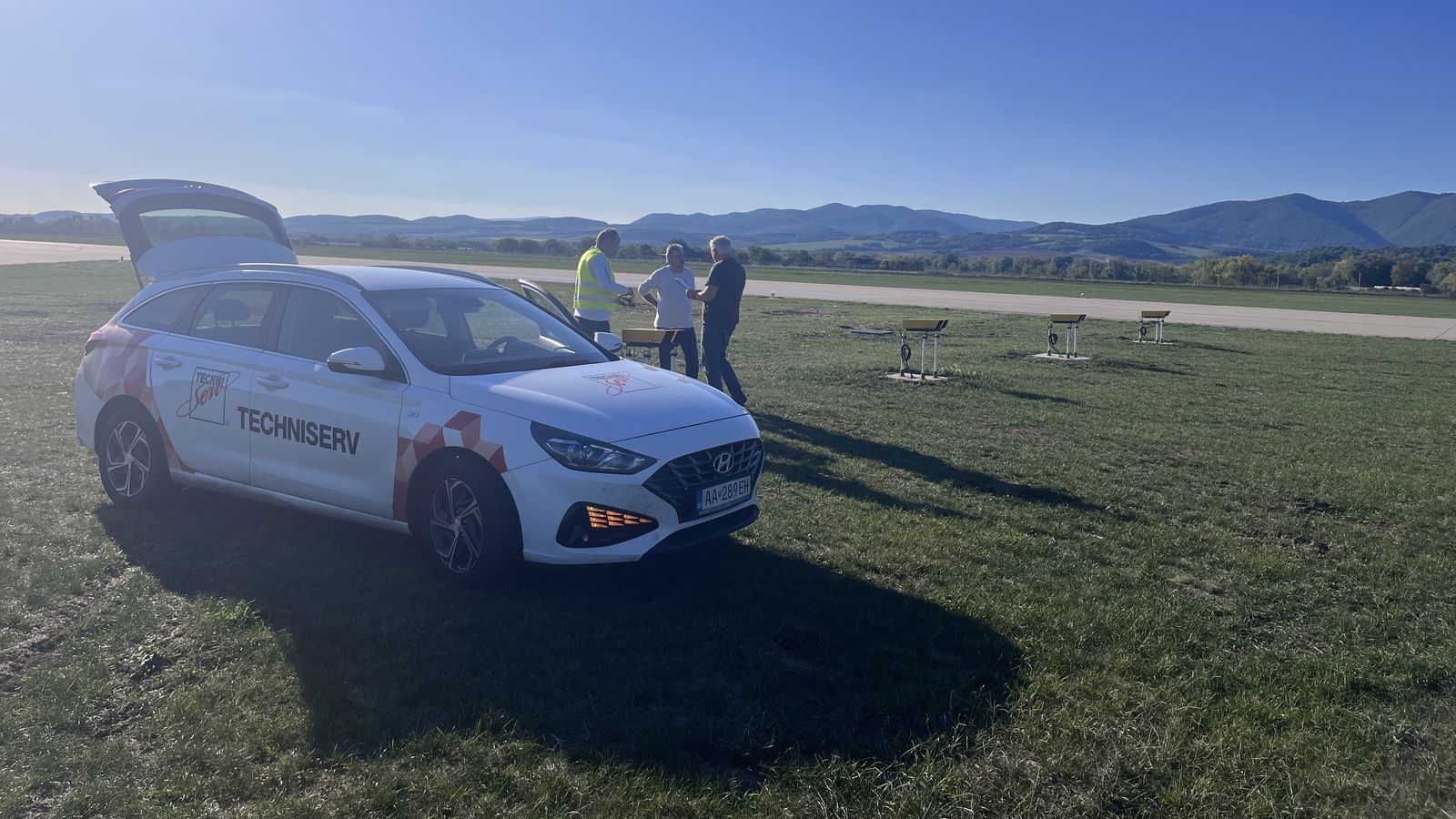
Trenčín Airport: PAPI Re-aimed and Re-checked After the Festivals
How Trenčín Airport (LZTN) got its PAPI back in tolerance after the summer festivals: a drone check, re-aiming by TechniServ and a re-check in…