How Precise Is a PAPI Flight Check, and Can an Airport Do Better?
How precise a PAPI flight check is, why an aircraft cannot hover or fly several eye heights, and how a drone gives a value per unit for exact setting.
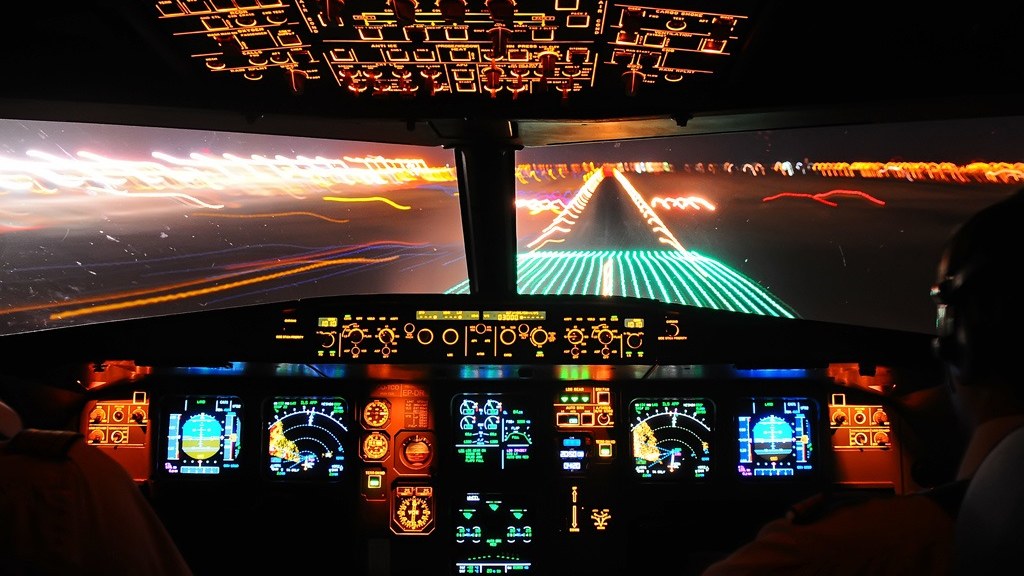 FROM THE FLIGHT DECK · A RUNWAY AT NIGHT, AT LANDING SPEED
A flight check judges a precision approach path indicator (PAPI ) from a moving aircraft, and a person calls the colour change by eye. A drone measurement is more precise and more objective. It flies several descent paths, reads each light from video, and repeat flights agree within 2 arcminutes.
The seven reasons a PAPI can look wrong after a flight check stay valid. They are set out here . This post asks a different question. How precise is the check itself, and what changes when the airport has a value for every unit?
The aircraft does a job we do not. It calibrates radio navigation aids, and it verifies the lights on the same visit. Our measurement complements that visit and does not replace it.
Why is a flight check less precise than a drone measurement?
The aircraft flies the approach, and the crew judges the lights. The colour change is called by a person from an aircraft in motion. A drone measurement removes that judgement and replaces it with a measured angle.
| Question | Flight check by aircraft | Drone measurement |
|---|---|---|
| Who reads the colour change? | A person, by eye | Software, frame by frame from video |
| How many paths per run? | One, flown at approach speed | Several descent trajectories from different angles |
| How many eye heights? | Few, and one per run | Several, in one mission |
| Can it hover or stop? | No | Yes, at a chosen point |
| Agreement with the ILS glide path | Hard to fly, checked 6,000 to 1,000 ft before the threshold | Checked as part of the mission |
| Same video, same result? | Not applicable, a person judges each run | Yes, the evaluation is deterministic |
| What is reported? | The system angle | A value per unit |
| When does the report arrive? | Weeks later | The same day |
The next sections take the rows in turn.
What does the 0.20 degree tolerance tell you?
The United States flight inspection manual is Order 8200.1D of the Federal Aviation Administration (FAA). It takes the system angle as the average of the two middle units. Its tolerance is within 0.20 degrees of the established angle, which is 12 arcminutes.
The tolerances we work to in Slovakia are tighter. Transition angles and harmonisation with the ILS must sit within 0.10 degrees, which is 6 arcminutes. The glide path angle must sit within 0.15 degrees. Our PAPI inspection page lists each one.
A tighter tolerance is a stronger case for a precise measurement. To say a unit is inside a 6 arcminute band, the measurement must be finer than the band. Our repeat flights agree within 2 arcminutes, a third of it. A colour change called by eye from a moving aircraft cannot show that.
The figures also give the scale on the ground. At 1,000 m from the unit, 12 arcminutes is about 3.5 m of height. Six arcminutes is about 1.7 m, and two arcminutes is about 0.6 m. That is our arithmetic, not a figure from a manual.
These figures are tolerances, not the aircraft’s measurement error. We state no accuracy figure for the aircraft, because the manual gives none.
Why can an aircraft not fly what a drone flies?
An aircraft flies at approach speed along one path per run. Four things follow from that.
- It cannot hover. The crew cannot stay at the point where a unit changes colour and look again.
- It cannot stop at a chosen point. Each run passes every point once, at speed.
- It cannot fly one point at several eye heights in one run. Each eye height needs its own run.
- It cannot fly the same path twice. Every run differs from the last, so two runs never see the lights from the same points. A change between runs can be the path and not the light.
Eye height matters because pilots do not all see the PAPI from the same height. The International Civil Aviation Organization (ICAO) covers this in Doc 9157 Part 4. The agreement with the glide path depends on the eye-to-antenna height of each aircraft type (8.3.53 and 8.3.54). A check at few eye heights shows the light as seen from those heights only.
A commercial drone flies a mission planned in advance. It can pass the same point at several heights. It repeats the same mission within centimetres, on the same day or months later. A change between two flights is then the light, not the path.
How does the drone measure a PAPI?
A standard commercial drone flies on its own. The mission is precise to a centimetre and validated against the airport model before the flight. Real time kinematic (RTK ) positioning from satellite navigation (GNSS ) supplies the position.
- Fly the descent trajectories. The drone flies from different angles and heights, so one mission covers several eye heights.
- Track each light. Software follows every light in the video and reads its colour and angle frame by frame.
- Evaluate. The evaluation is deterministic. The same video gives the same result.
- Report a value per unit. The maintenance team receives an angle for each unit, not one number for the system.
Repeat flights agree within 2 arcminutes, which is one thirtieth of a degree. It takes about 15 minutes from take-off to results for one runway side. Both PAPI systems take about 30 minutes. The protocol follows the same day.
What does harmonization with the ILS add?
Annex 14 asks for the visual slope to conform as closely as possible with the instrument landing system (ILS ) glide path . The FAA manual checks coincidence with the electronic glide slope between 6,000 ft and 1,000 ft before the threshold.
Flying that coincidence in an aircraft is hard. The crew must hold both paths and judge both by eye, at speed.
The drone checks the PAPI against the ILS glide path as part of the same mission. It flies the descent paths at the eye heights that matter and compares the two paths at each. The check covers the PAPI against the glide path and nothing about the radio signal.
What does a value per unit change for the airport?
A system angle tells the airport that the system is inside a band. A value per unit tells the maintenance team what to do.
- Know which unit. The finding names one unit.
- Know how far. The team re-aims the unit by a known amount.
- Check again the same day. The same mission runs again, and the second result shows whether the correction held.
This is how the maintenance team sets the lights right, unit by unit. Trenčín re-adjusted its lights on our data, and several more airports have since. Every Slovak commercial airport has been flown in recent months.
What happens between flight checks?
Airports order the calibration aircraft 2 to 3 times a year. A visit costs 5,000 to 7,000 EUR, about 3,000 EUR per flight hour, and the report arrives weeks later. A light that fails in between waits for the next visit.
The airport can take the measurement into its own hands. It subscribes to our software, paid yearly and not per flight, and flies with its own commercial drone and trained staff. It can fly at any hour, 24/7.
That turns a yearly or twice-yearly check into one the airport can repeat whenever it wants. A unit that moved after a frost or a repair is found by the next mission. It does not wait for the next visit.
We also fly as a service with our own crew, for airports that prefer that.
What does this not settle?
- It is not a flight check. The aircraft calibrates radio navigation aids and checks the lights from the pilot’s seat. We do neither.
- Recognition is in progress. Recognition of drone inspection is in talks with the Slovak Transport Authority. Your authority decides what it accepts.
- The software has been audited. The Slovak Armed Forces certified our software after an extensive audit.
- The aircraft’s accuracy is not stated. We know the tolerance it works to. We do not know its measurement error, and we do not claim one.
Set your PAPI right, and know it stays right
A flight check tells you the system passed on the day of the visit. It cannot name the unit to turn, and it cannot come back next week.
With TarmacView the airport gets an angle for every unit, from several eye heights and against the ILS glide path. The maintenance team re-aims by a known amount and checks the result the same day. Repeat flights agree within 2 arcminutes, well inside the 0.10 degree tolerance.
After that the airport measures whenever it wants, with its own drone, at any hour. A unit that moves is found within days, not at the next visit. An imprecise check stops being something the airport has to worry about.
See how it works on setting your PAPI right the first time , or send us your runway ends to plan a first measurement.
Where to read next
- Why a PAPI can pass a flight check and still look wrong gives the seven reasons.
- Why airports ask for a second opinion covers cost, timing and who asked.
- PAPI still wrong after a flight check covers the case of a complaint that contradicts a result.
- A second opinion on your airfield lighting describes the independent measurement.
Frequently Asked Questions
- How precise is a PAPI flight check?
- The result is the system angle, averaged from the two middle units, and a person in a moving aircraft calls the colour change. FAA Order 8200.1D allows 0.20 degrees. The tolerances we work to in Slovakia are tighter, 0.10 degrees for transition angles and ILS harmonisation. Checking a 6 arcminute band needs a measurement finer than a call by eye.
- Why can an aircraft not measure a PAPI as precisely as a drone?
- An aircraft flies one path per run at approach speed. It cannot hover, stop at a chosen point or fly one point at several eye heights in a single run. It also never flies the same path twice. A drone repeats its mission within centimetres, and software reads each light frame by frame.
- How repeatable is a drone PAPI measurement?
- Repeat flights agree within 2 arcminutes, which is 0.03 degrees. The evaluation is deterministic, so the same video gives the same result. A repeat flight on another day shows whether a unit has moved.
- Does the drone method replace the flight inspection aircraft?
- No. The aircraft calibrates radio navigation aids, which TarmacView does not. The drone measurement complements it. Between flight checks the airport knows its PAPI is set right, and recognition of drone inspection is in talks with the Slovak Transport Authority.
- Can an airport fly the measurement itself, at any hour?
- Yes. The airport can subscribe to the software, paid yearly and not per flight, and fly with its own commercial drone and trained staff. It can then measure at any hour, 24/7, whenever a light needs a check.
References
- faa-order-8200-1
- Order 8200.1D, United States Standard Flight Inspection Manual, with Change 1 Federal Aviation Administration
- icao-doc-9157-part-4
- Doc 9157, Aerodrome Design Manual, Part 4: Visual Aids, Fifth Edition, 2021 International Civil Aviation Organization
- cee-operator-rates
- Flight calibration rates and durations in the Slovak, Czech and Hungarian market Written exchange with a flight inspection operator active in the region
Founded by flight-inspection veterans who spent decades measuring PAPI lights for aviation authorities across Europe.
Learn more
Related terms
03 TERMSPAPI Approach Slope and Elevation Setting
The PAPI approach slope and elevation setting are the approach angle a PAPI shows and the angle of each unit. Setting angles for 3 degrees, tolerance, how they are measured, and drones.
Commissioning Flight Inspection
A commissioning flight inspection is the first flight check of a new or changed aid. When the FAA requires one for a PAPI, what is checked and how to prepare.
Precision Approach Path Indicator (PAPI)
A precision approach path indicator (PAPI) is a row of lights beside a runway. What PAPI means, what the red and white pattern shows, unit angles, siting, the APAPI, the VASI, and the checks.
Further reading
03 ARTICLES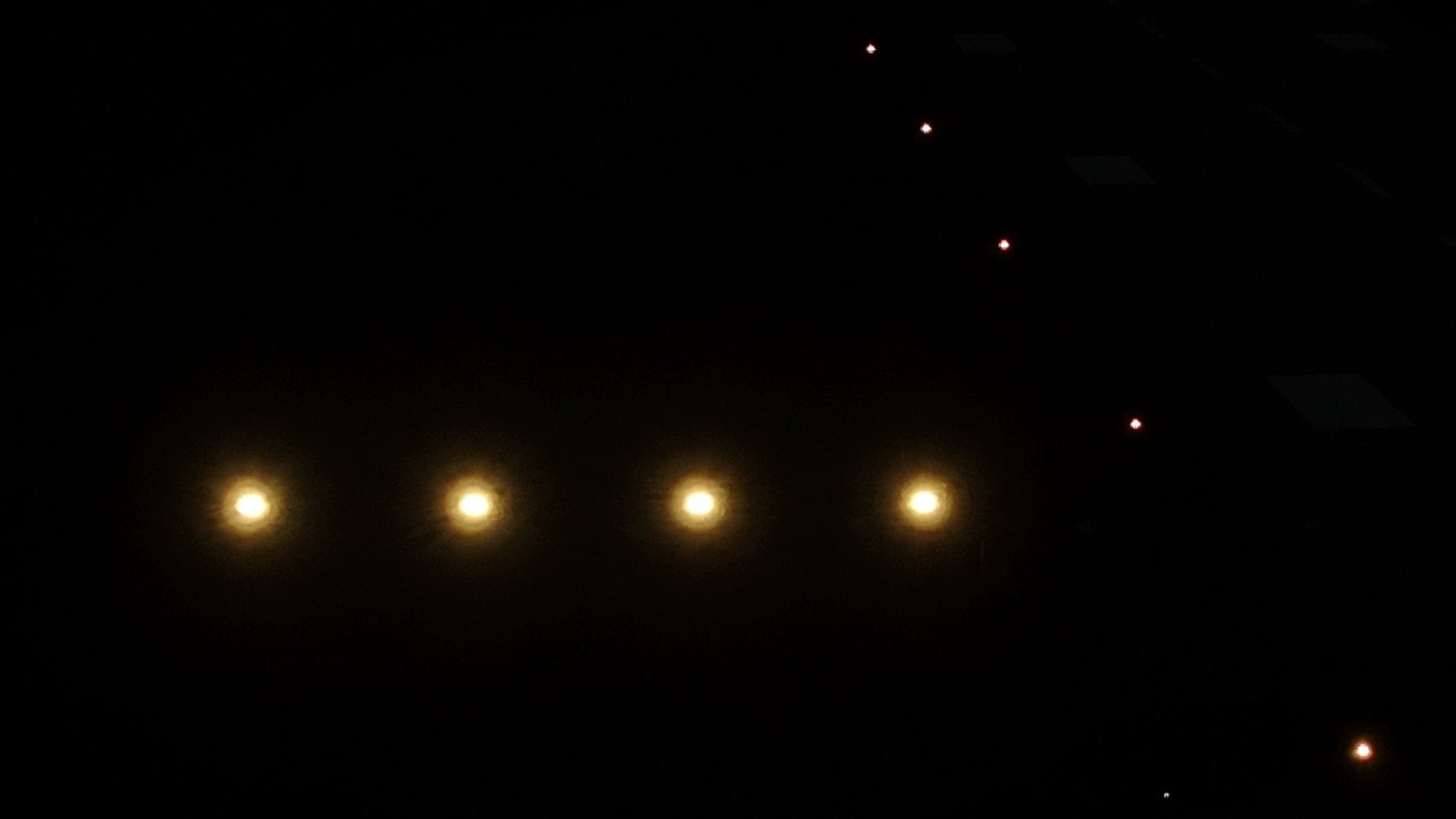
Set Your PAPI Right the First Time With a Precise Measurement
A drone measures every PAPI unit from several eye heights and against the ILS glide path, so the maintenance team sets each light right and checks it…
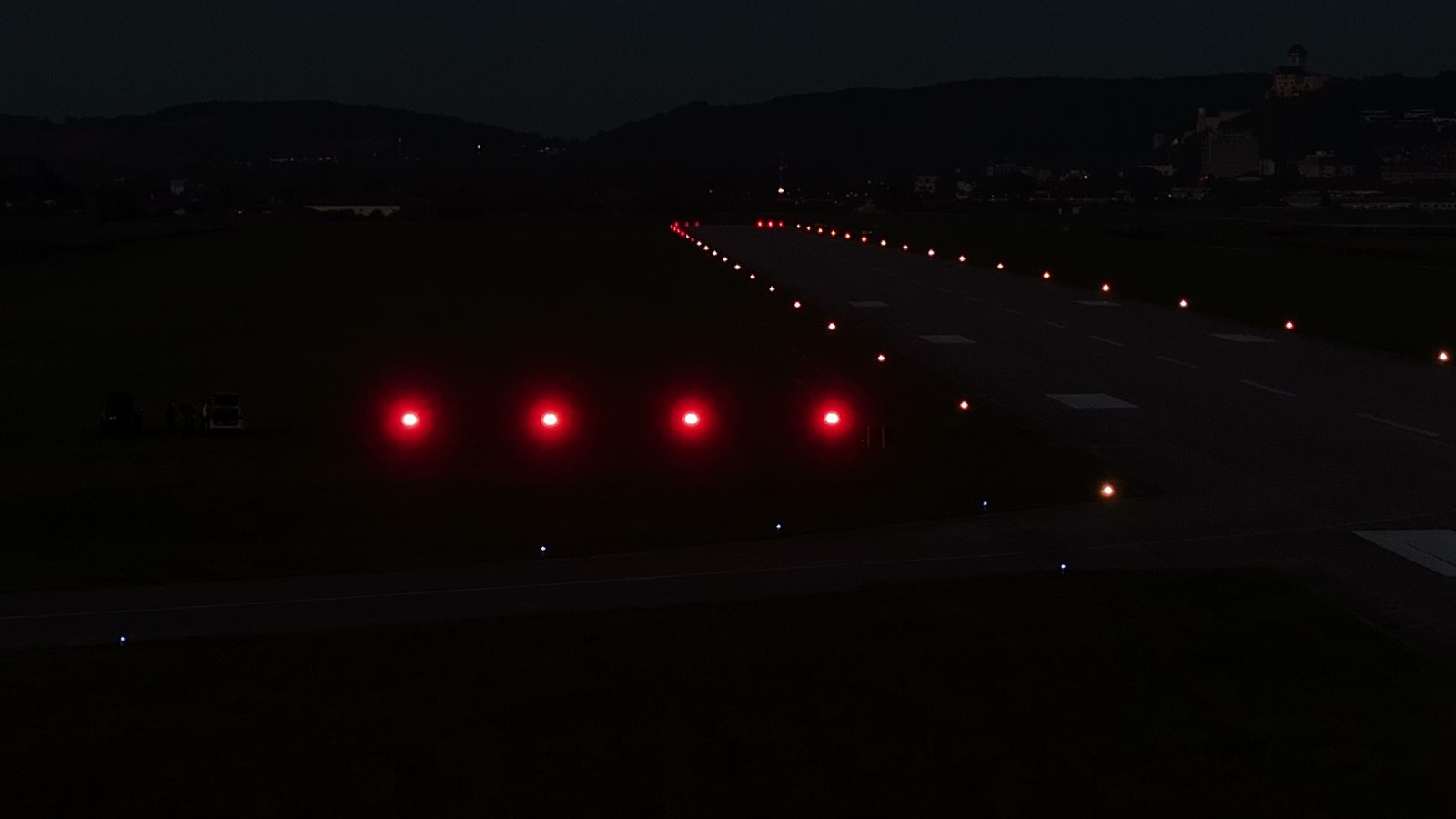
Why a PAPI Can Pass a Flight Check and Still Look Wrong to Pilots
Why a PAPI can pass a flight inspection and still look wrong to pilots. Seven sourced reasons, what the rules ask for next and how to settle it unit…
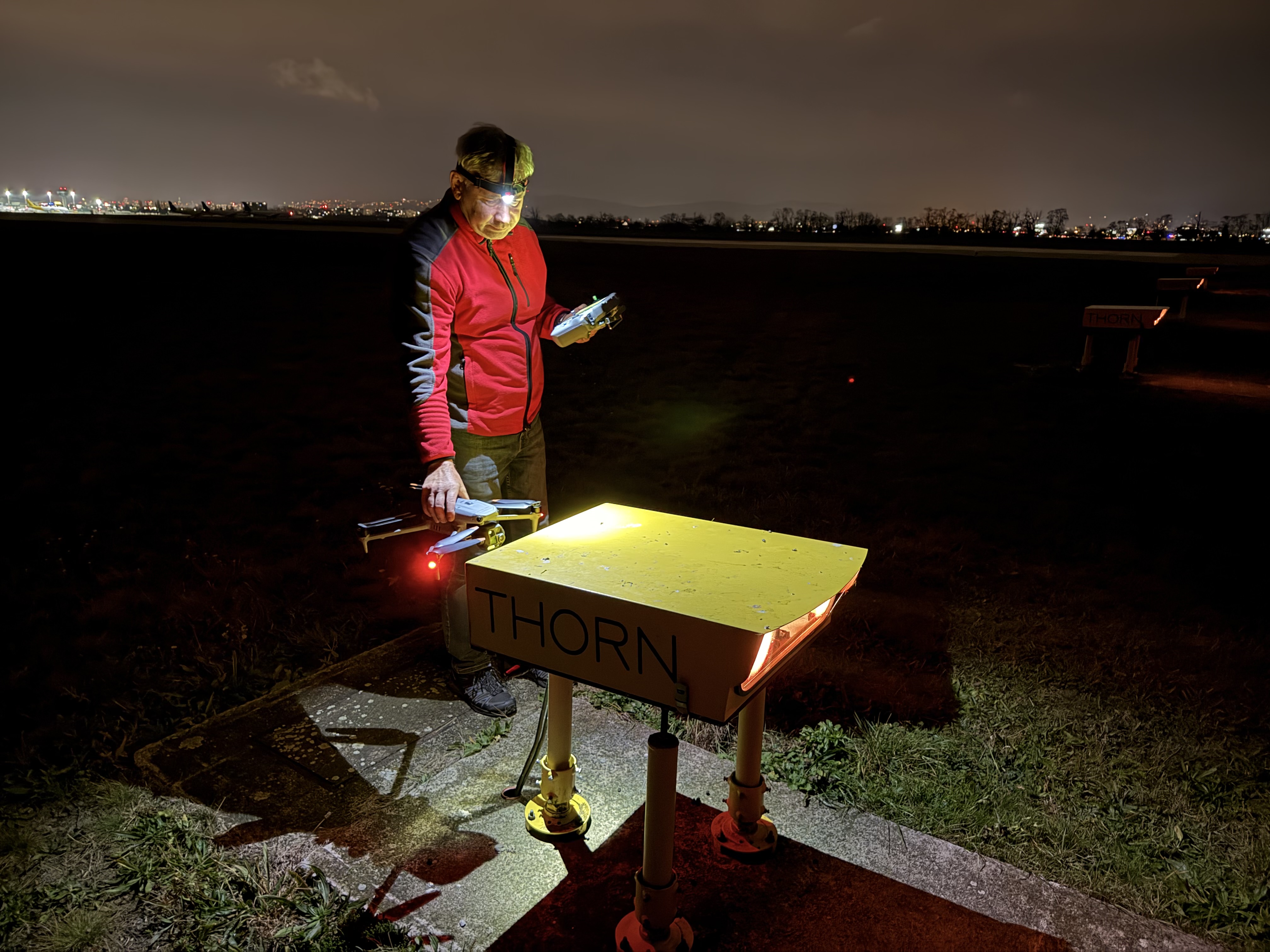
PAPI Lights Inspection and Calibration Check by Drone
Drone PAPI inspection. Each unit's transition angle, colour, relative intensity and surveyed position are measured, with a protocol issued on the same…