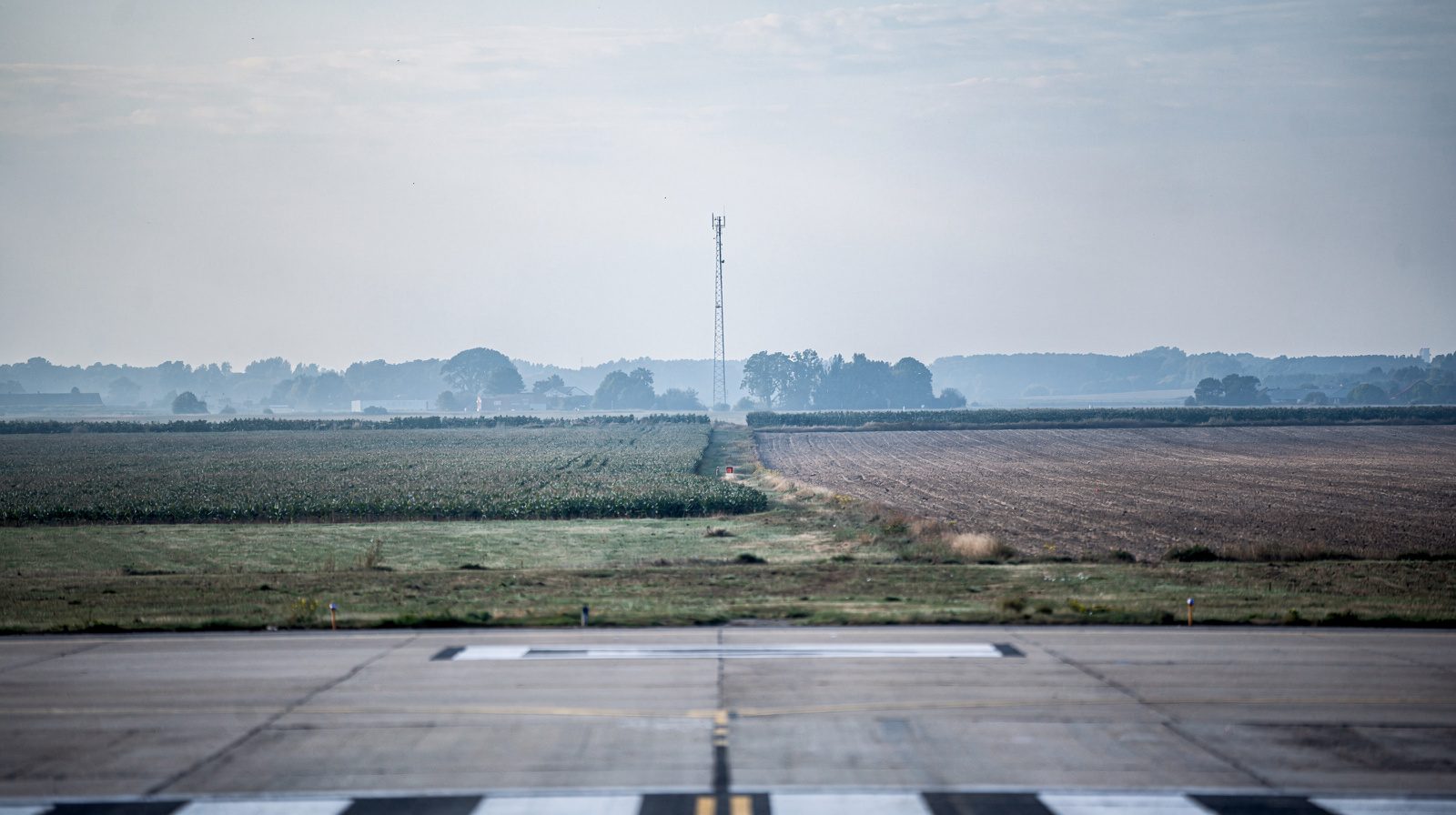
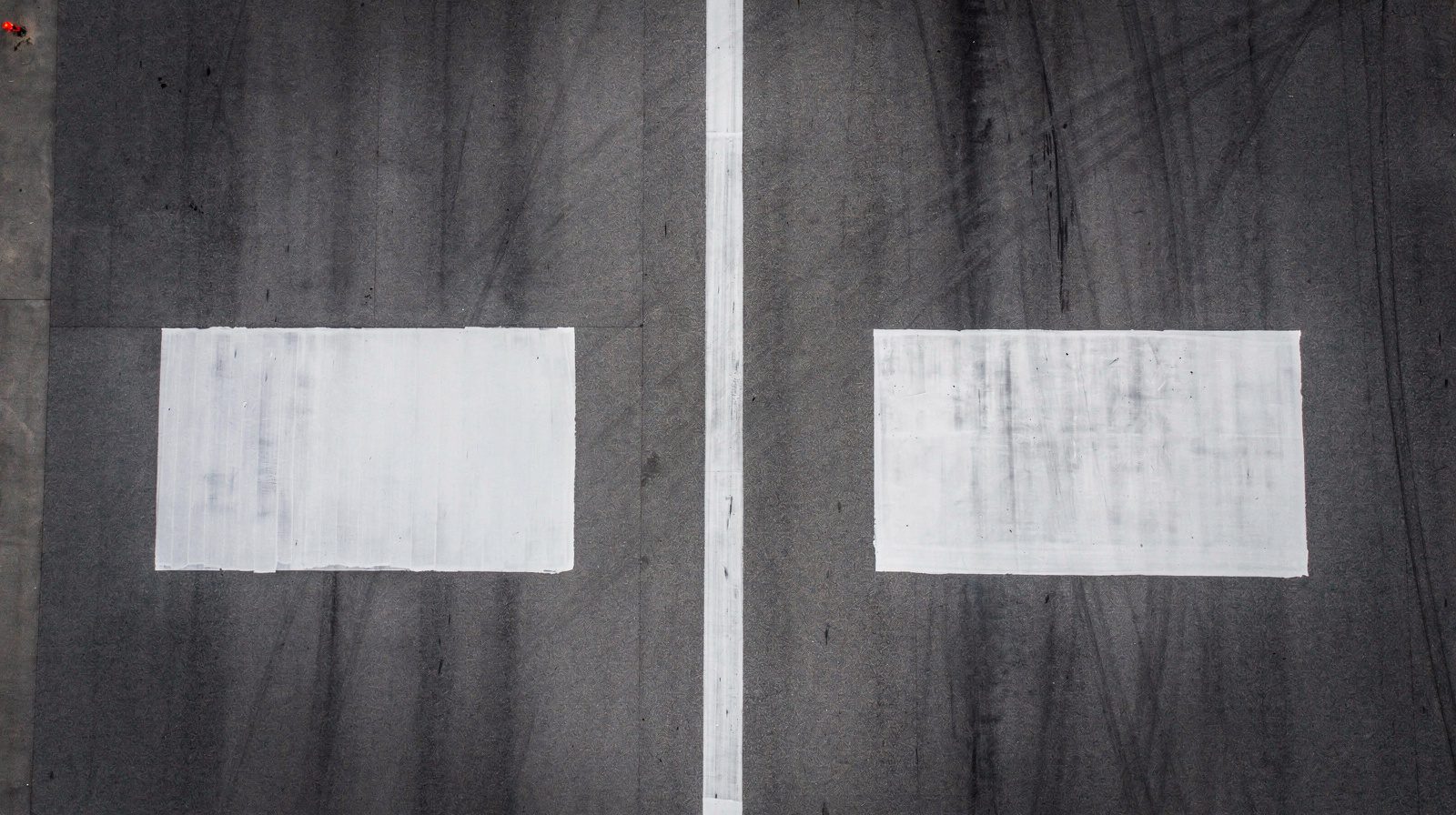
What is a Non-Movement Area?
The non-movement area is the part of an airport that aircraft use for taxiing but that the control tower does not control.
Definition
The FAA defines the non-movement area in AC 150/5300-13B. It is the areas that aircraft use for taxiing, hover taxiing or air taxiing but that are not part of the movement area. Helicopters and tiltrotors count as aircraft. The AC gives the loading aprons and the aircraft parking areas as examples.
The movement area is the other half of the split. The FAA defines it as an area at a towered airport. The air traffic control tower designates it for positive control of aircraft, vehicles and personnel. It excludes loading ramps and aircraft parking areas. Everything that aircraft use for taxiing and that the tower does not control is non-movement area.
What is in it
- Aprons and ramps. The loading aprons and the aircraft parking areas are the FAA examples. The movement-area definition excludes “loading ramps”, which is the FAA word for the same space.
- Taxilanes on terminal aprons. The FAA says that taxiways typically lie in movement areas. Taxilanes are more common in non-movement areas, such as terminal apron areas (AC 150/5300-13B, 4.1.1). A taxilane is a low-speed taxi path to parking positions.
- Service roads. A vehicle service road is a dedicated route for ground support equipment and airport operations vehicles. These roads lie primarily in non-movement areas, such as airfield areas and non-controlled aprons. They may also lie in movement areas of a space-constrained airport (6.5.2).
The boundary marking
At an airport with a tower, the FAA uses the non-movement area boundary marking to show where the movement area ends. The marking separates the areas that the tower controls from the areas that it does not control. The FAA uses it only where aircraft may cross it (AC 150/5340-1M, 5.4).
- Lines. There are two yellow lines. The solid line is on the non-movement side. The dashed line is on the movement side (5.4.5.1).
- Size. Each line is 15 cm (6 in) wide, with 15 cm (6 in) between the lines. The dashes are 0.9 m (3 ft) long with 0.9 m (3 ft) between them. Where pilots may have difficulty seeing the edge of a movement area, the widths may double to 30 cm (12 in) (5.4.5.2).
- Colour. The marking is yellow. It has a black outline on light-coloured pavement.
- Location. The airport operator and the tower agree the position in a letter of agreement before painting. The marking never coincides with the edge of a taxiway. The FAA sets it back by the taxiway or taxilane object free area criteria. It usually uses the taxilane value (5.4).
- Taxiway centerline. A taxiway centerline that crosses the marking stops 15 to 30 cm (6 to 12 in) short of it on both sides (5.4.5.3).
- Overhang. No part of a parked aircraft may overhang the marking.
An airport without a tower may also use the marking on aprons. It then separates vehicle and equipment traffic from the areas where aircraft taxi.
The FAA gives a safety notice for one case. Do not paint the marking on the outer edge of an apron that becomes a taxiway leading to a runway. At some layouts, pilots mistook it for a runway holding position marking and took off from a parallel taxiway (safety notice 10).
Vehicles and people
14 CFR 139.329 sets the rule for ground vehicles and pedestrians at a certificated airport. It names movement areas and safety areas. The operator allows into them only the vehicles and the people that airport operations need. With a tower in operation, the operator controls each one by two-way radio, by an escort with a radio, or by an approved alternative.
The rule names no non-movement area.
ICAO and EASA
ICAO Annex 14 and EASA Regulation (EU) No 139/2014 define the movement area as the manoeuvring area and the aprons. The apron is inside the movement area. The FAA split does not map onto them.
ICAO addresses the apron with an apron management service. The service regulates the activities and the movement of aircraft and vehicles on an apron. It prevents collisions, regulates entry to the apron and the exit from it, and regulates vehicles. An aerodrome air traffic services unit, another aerodrome operating authority, or both can provide it when the traffic and the operating conditions warrant it (9.5.1). See apron management .
EASA uses the words “non-movement area” in guidance on de-icing pads. The clearance distance on a de-icing pad can be reduced when the facility is in a non-movement area (GM1 ADR-DSN.G.400, paragraph (c)).
| Item | FAA | ICAO and EASA |
|---|---|---|
| Apron | Non-movement area (loading aprons, parking areas) | Inside the movement area |
| Who controls it | Tower controls the movement area only | Apron management service, where provided |
What it means on an airfield
Check which definition a document uses before you apply it. An FAA text puts an apron outside the movement area. An ICAO or EASA text puts it inside.
On a US airport with a tower, the boundary marking shows where the area that the tower controls begins.
What to do
- Find the boundary on the airport layout and on the ground, and agree it in a letter of agreement with the tower.
- Keep the marking clear of a taxiway edge, and set it back by the object free area criteria.
- Keep parked aircraft behind the marking.
- Locate service roads outside the taxiway safety areas and object free areas, except where a road must cross a taxiway or taxilane.
- Do not place the marking where it can look like a runway holding position.
Frequently Asked Questions
- What is the non-movement area?
- The non-movement area is the part of an airport that aircraft use for taxiing but that is not part of the movement area. The FAA gives the loading aprons and aircraft parking areas as examples. The control tower does not control it.
- Does the non-movement area include aprons, ramps and driving lanes?
- It includes aprons and ramps. The FAA names the loading aprons and the aircraft parking areas, and it excludes loading ramps from the movement area. Vehicle service roads lie mainly in non-movement areas, but they may also lie in movement areas at a space-constrained airport.
- What is the difference between the movement area and the non-movement area?
- The FAA movement area is the part that the control tower controls. It has the runways, the taxiways and other select areas. The non-movement area is the rest of the taxiing areas. The loading aprons and the aircraft parking areas are the examples.
- Who controls the non-movement area?
- At a towered FAA airport, the control tower does not. The non-movement area boundary marking separates the areas that the tower controls from the areas that it does not control. ICAO Annex 14 describes an apron management service for an apron, which an air traffic services unit or another operating authority can provide.
- How is the non-movement area marked?
- The FAA marks the boundary with two yellow lines. The solid line is on the non-movement side and the dashed line is on the movement side. Each line is 15 cm (6 in) wide. The marking has a black outline on light-coloured pavement.
- Do ICAO and EASA have a non-movement area?
- Not as the FAA does. ICAO and EASA define the movement area as the manoeuvring area and the aprons. The apron is inside the movement area in those texts. EASA uses the words non-movement area in guidance on de-icing pads.
- Can aircraft taxi in the non-movement area?
- Yes. The FAA defines the non-movement area as areas used for taxiing, hover taxiing or air taxiing. Taxilanes on terminal aprons are more common in non-movement areas. The tower does not control that taxiing.
References
- faa-ac-150-5300-13b
- AC 150/5300-13B, Airport Design (Change 1) FAA
- faa-ac-150-5340-1m
- AC 150/5340-1M, Standards for Airport Markings FAA
- icao-annex-14-vol1
- Annex 14 to the Convention on International Civil Aviation, Aerodromes, Volume I, Aerodrome Design and Operations, Ninth Edition (July 2022, consolidated with later amendments) ICAO
- easa-ear-aerodromes
- Easy Access Rules for Aerodromes (Regulation (EU) No 139/2014), including CS-ADR-DSN Issue 7 EASA
- ecfr-14-cfr-139-329
- 14 CFR 139.329, Pedestrians and ground vehicles US Government Publishing Office, eCFR
This is a reference entry. TarmacView provides drone inspection services and doesn't sell the equipment or materials described in this glossary.